Evergrande founder Hui Ka-yan jailed for life
SingTao · 2 SOURCESabout 3 hours ago2 MIN
Summary
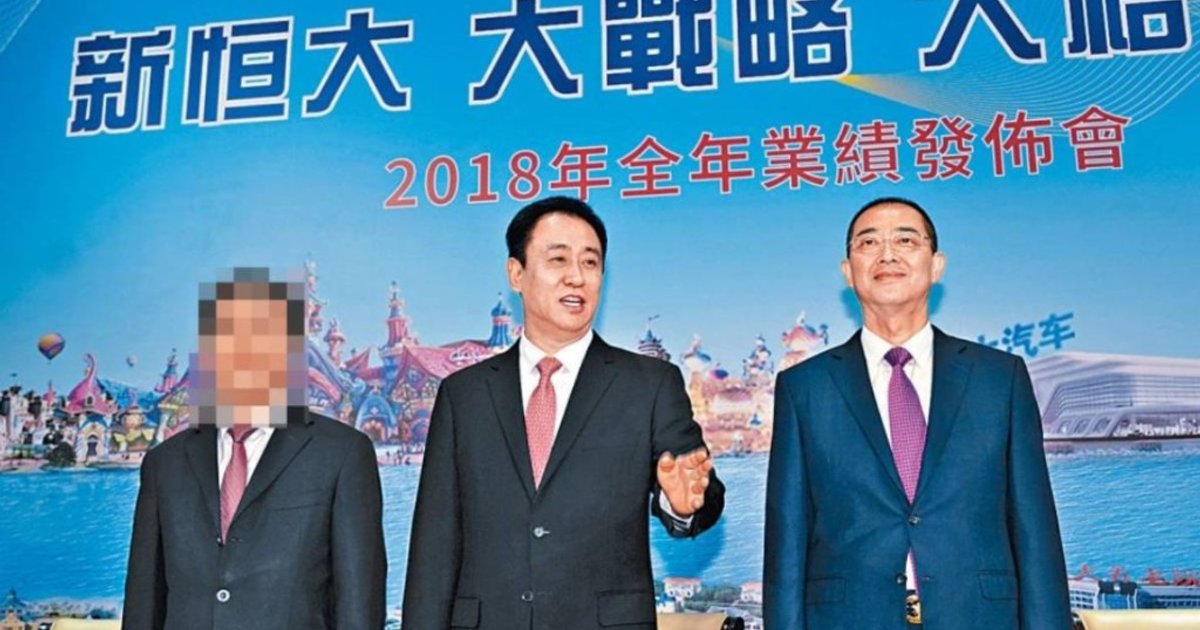
A court in Shenzhen on Wednesday publicly delivered its first-instance verdict in the case involving Evergrande Group, Evergrande Real Estate Group and founder Hui Ka-yan (Xu Jiayin), sentencing Hui to life imprisonment for multiple offences. The judgment marks the collapse of a business career that began with 20,000 yuan in Shenzhen, expanded through aggressive borrowing and rapid turnover, and peaked with Hui becoming China’s richest man in 2017.
Key Points
- The Shenzhen Intermediate People’s Court fined Evergrande Group 8.82 billion yuan and Evergrande Real Estate 7 billion yuan, while Hui was sentenced to life imprisonment, stripped of political rights for life and had all personal assets confiscated
- The court said Evergrande Group and Hui committed offences including illegally taking public deposits, fundraising fraud, illegal loan issuance, fraudulent securities issuance, illegal disclosure of material information and unit bribery
- Hui was also convicted of illegal use of funds and occupational embezzlement, with the court saying he used his position as Evergrande Real Estate chairman to organize financial falsification and appropriate company assets in the name of dividends
- On the same day, courts in Shenzhen and Nanshan also sentenced 56 related defendants, including Hui’s sons Xu Zhijian and Xu Tenghe, to prison terms ranging from 18 years to one year and 10 months, alongside fines or asset confiscation
- Born in rural Taikang, Henan in 1958, Hui lost his mother before age one, was raised by his grandmother, worked as a farmer and night-soil collector, studied at Wuhan Iron and Steel Institute in 1978, and moved south with 20,000 yuan in 1992 before founding Evergrande in 1996
Why It Matters
For Hong Kong readers, the case resonates because Evergrande listed in Hong Kong in November 2009 and Hui’s expansion, fundraising and public profile were long tied to the city’s capital markets and media attention. The verdict also closes a chapter in one of the mainland property sector’s most closely watched collapses, after Evergrande’s payment troubles emerged in 2021 and regulators later imposed penalties and a lifetime securities market ban on Hui