Malaysia Foils $12 Million AI Chip Smuggling Operation at Kuala Lumpur Airport
Thestandard · 2 SOURCESabout 3 hours ago2 MIN
Summary
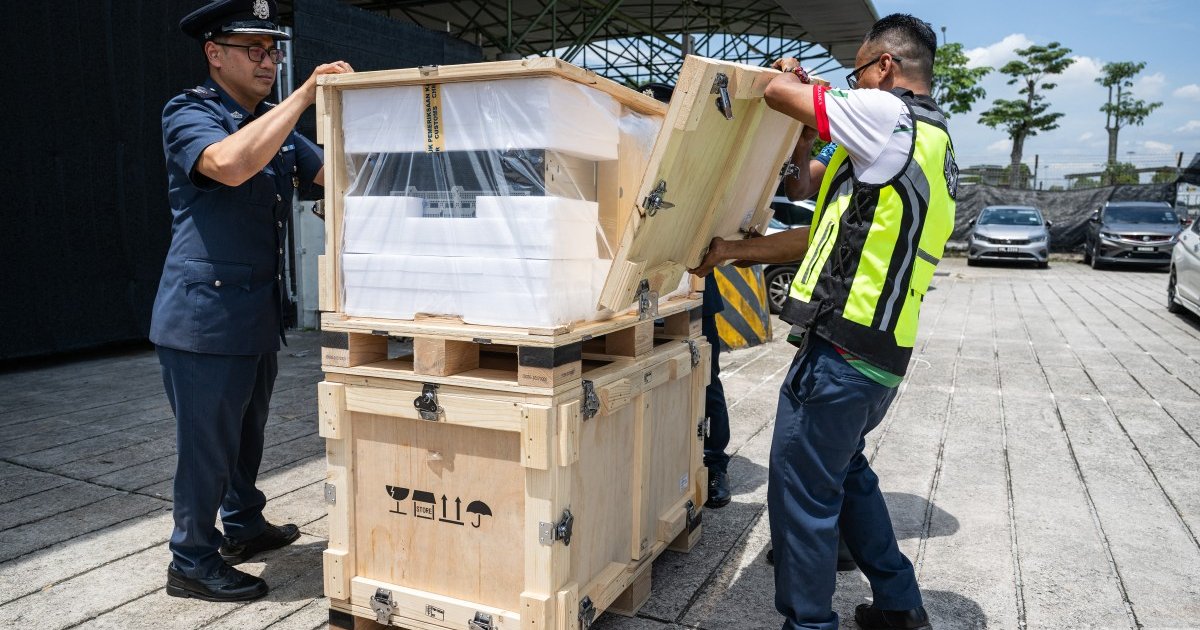
Malaysian customs officials have busted a major smuggling operation at Kuala Lumpur International Airport, seizing advanced artificial intelligence chips valued at US$12.1 million. The October 15 seizure of 30 server units represents the fifth case this year connected to a sophisticated syndicate that has funneled restricted semiconductors through Malaysia's free trade zone. Authorities say the shipment was falsely declared as electronic components to evade detection, with the servers ultimately destined for re-export to another Asian country. Malaysia has been tightening controls on AI chip exports since last year under pressure from the United States to prevent the chips from reaching China.
Key Points
- On October 15, customs officers inspected Kuala Lumpur airport's free trade zone and seized 30 server units equipped with advanced AI chips worth 49.5 million ringgit (US$12.1 million)
- Airport customs director Aspalila Ag Tuah confirmed the servers were falsely declared as "electronic components" to avoid detection by authorities
- Initial investigations revealed the shipment originated from an Asian country and was to be re-exported to another Asian nation, requiring a strategic trade permit
- This seizure represents the fifth case this year involving the same syndicate, with total estimated seizures exceeding US$24 million
- Malaysia imposed export controls on US-origin advanced AI chips last year following American pressure to stem semiconductor flows into China
Why It Matters
The bust underscores Malaysia's strategic position in the global semiconductor supply chain and its commitment to enforcing export controls under US pressure. By using Malaysia as a transit point, the syndicate attempted to circumvent restrictions that would have applied directly to exports from the original source country, highlighting the sophistication of semiconductor smuggling networks across Asia .
The bust underscores Malaysia's strategic position in the global semiconductor supply chain and its commitment to enforcing export controls under US pressure. By using Malaysia as a transit point, the syndicate attempted to circumvent restrictions that would have applied directly to exports from the original source country, highlighting the sophistication of semiconductor smuggling networks across Asia .