Fake debt restructuring scam nets HK$4.9 million
SingTao · 4 SOURCESabout 8 hours ago2 MIN
Summary
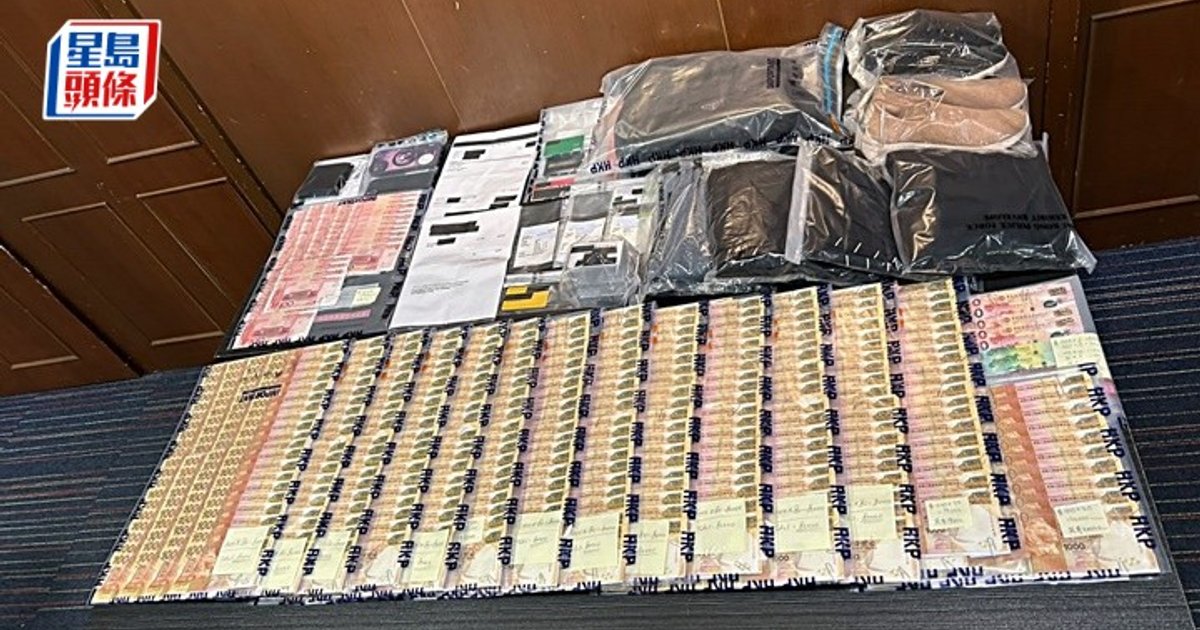
Hong Kong police in Mong Kok have broken up six suspected phone scams in which fraudsters posed as bank staff and offered debt restructuring services, with total losses reaching HK$4.9 million. A 45-year-old local unemployed woman was arrested in Sham Shui Po on November 10 on suspicion of obtaining property by deception, and about HK$1 million in cash believed to be crime proceeds was seized from her. Police later laid one count of conspiracy to defraud, and the case was mentioned at West Kowloon Magistrates' Courts on the morning of November 12. Investigators said the suspects used prepaid SIM cards registered in other people's names, rented shared offices by the hour, and sometimes arranged cash handovers in streets or shopping malls to gain victims' trust and collect money.
Key Points
- Police said three victims first reported the cases between October and November, after receiving calls between April and August from scammers claiming to be bank employees.
- The victims were told debt restructuring could be arranged, then met a fraudster posing as an accounting firm employee in Mong Kok and Cheung Sha Wan shared offices.
- After handing over cash between June and November, the victims later discovered their debts had not been restructured and reported the matter to police.
- Further investigation linked the arrested woman to three more victims in Mong Kok and Tsuen Wan during October and November, bringing the total to six cases.
- One case involved about HK$2.8 million, the largest single loss reported, while the six cases together involved about HK$4.9 million in suspected fraud.
Why It Matters
The case shows how fraudsters are adapting familiar impersonation scams by adding face-to-face meetings in rented offices, making bogus financial services appear more credible to people already under debt pressure. Police urged anyone receiving calls from supposed bank or accounting firm staff to verify identities directly with the institutions, and reminded borrowers not to pay upfront fees to unverified intermediaries