Shanghai woman loses RMB14 million in ‘healing’ scam
SingTao · 1 SOURCESabout 1 hour ago5 MIN
Summary
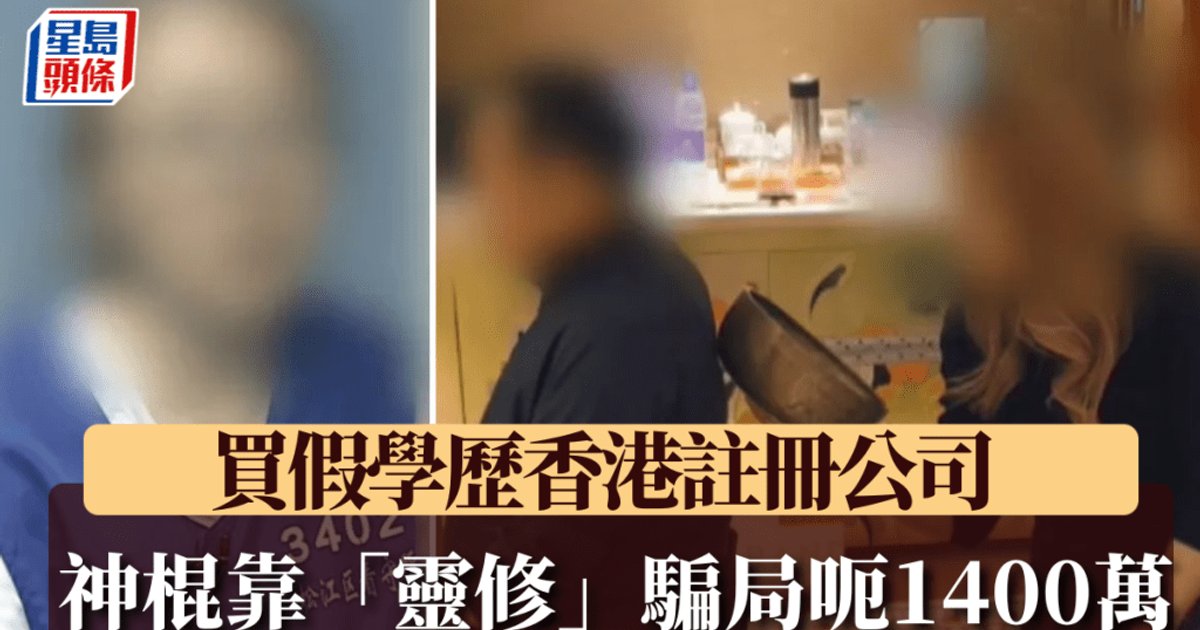
Shanghai police in Songjiang have broken up an alleged fraud operation that presented itself as “emotional healing” while using psychological manipulation and spiritual scare tactics on a woman for six years. The victim, Chen Hong (陳虹), a former sales champion at a trust company, was allegedly told she was under attack from “dark energy” and evil spirits, and was persuaded to spend more than RMB14 million, including RMB3 million raised by mortgaging her property. Police said the case left her divorced, financially ruined and diagnosed with severe depression. The suspects also allegedly bought fake overseas doctoral credentials and registered a company in Hong Kong to market themselves as academic experts
Key Points
- Police said Chen Hong met suspect Zhu and chief instructor “Sandy,” whose real surname was Liu, after a friend’s introduction following her cousin’s sudden death six years ago
- Liu allegedly claimed Harvard and Northwestern double doctorates, charged more than RMB10,000 per session for art and drama therapy, and used editable saliva stress-test data
- As Chen became more dependent, Liu allegedly promoted spiritual ideas, saying crystals and jade ornaments were needed to protect her from “dark energy” and evil spirits
- Police said a prank-style phone app was used to fake “real-time evil spirit detection,” while Chen’s husband was described as possessed, contributing to the couple’s divorce
- Investigators found Liu had only a junior-college education, spent RMB300,000 on fake doctorate certification, and helped register a Hong Kong company called the “Shanghai and Hong Kong Institute of Emotional Psychology.”
Why It Matters
The case is relevant to Hong Kong because the suspects allegedly used a Hong Kong-registered company to add credibility to their operation and recruit students on the mainland. It also shows how corporate registration and academic branding can be misused in cross-border scams, making due diligence especially important for people paying for wellness, counselling or training services linked to Hong Kong entities