Cambodia Opens Notorious Scam Compound to Media
SingTao · 2 SOURCES1 day ago2 MIN
Summary
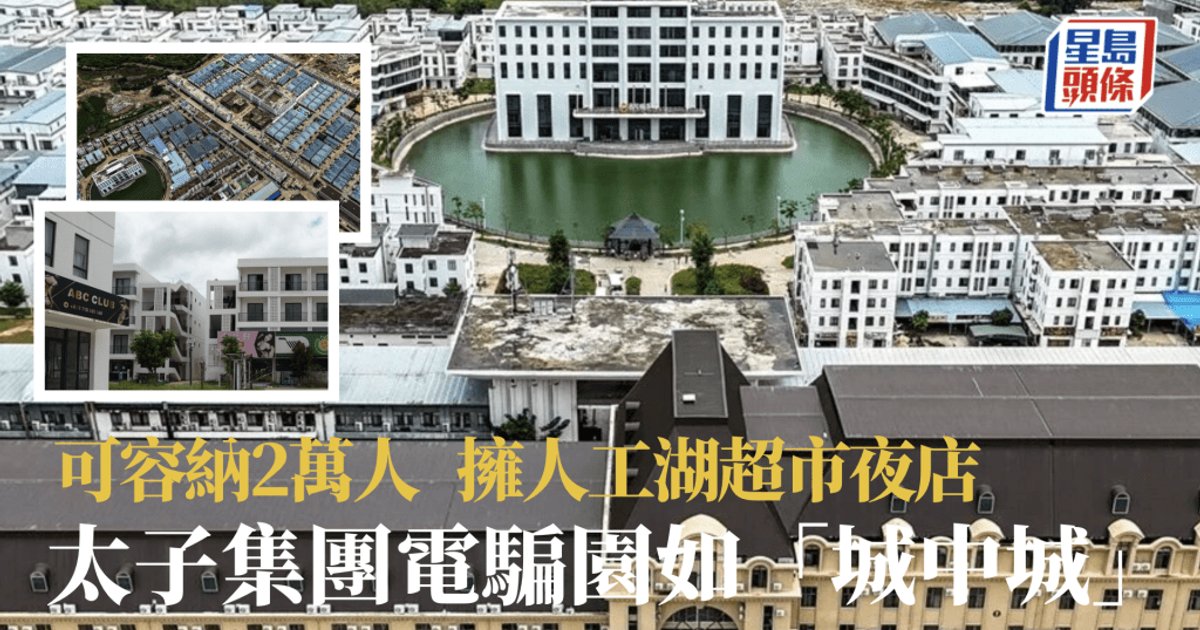
Cambodian authorities on Monday, September 21, escorted 78 journalists from nearly 40 domestic and international media organizations into the so-called No. 8 scam compound in Kamchay Mear district, Prey Veng province, offering an unusually detailed look inside a site described as one of the country’s largest fraud hubs. The compound, also known as Meun Chey Commercial City or Legend Park, spans about 120 hectares, was built from 2023, and was shut down by law enforcement in February after operating even before construction was fully completed. Images and on-site reporting showed a self-contained complex with offices, dormitories, restaurants, shops, nightlife venues, internet infrastructure, access gates, surveillance systems and an artificial lake, giving it the feel of a walled mini-city. The visit came just before Cambodia hosts an international anti-cybercrime conference in Phnom Penh on September 23 and 24, amid continuing scrutiny over whether crackdowns have dismantled the networks behind the compounds
Key Points
- Reporters found rooms staged to resemble foreign law-enforcement offices, including one marked as the Singapore Police Force Commercial Affairs Department, apparently for impersonation during video calls
- Chinese slogans remained on office walls, including one urging workers not to pretend to work hard, underscoring the contrast with allegations of trafficking and forced scam labor.
- The site was run by Cambodian company Legend Innovation, which Britain sanctioned in March along with director Eang Soklim over alleged links to large-scale scam operations.
- Blockchain analytics firm Elliptic said in February that company records, phone numbers and business activity linked Legend Innovation to the Prince Group network and services tied to Huione Group
- The US State Department said on Monday it had imposed visa restrictions on 32 people tied to cyber-enabled fraud targeting Americans, with most allegedly connected to Prince Group
Why It Matters
For Hong Kong readers, the case shows how industrial-scale fraud operations can mimic official institutions, use cross-border payments and logistics, and adapt quickly when pressure rises. It also suggests that visible closures alone may not end the threat if organizers, money flows and protection networks remain intact or move into smaller, harder-to-detect locations