Hong Kong Upgrades Over 800 Pedestrian Crossings with New Audible Traffic Signals
Hkgov · 1 SOURCESabout 2 hours ago4 MIN
Summary
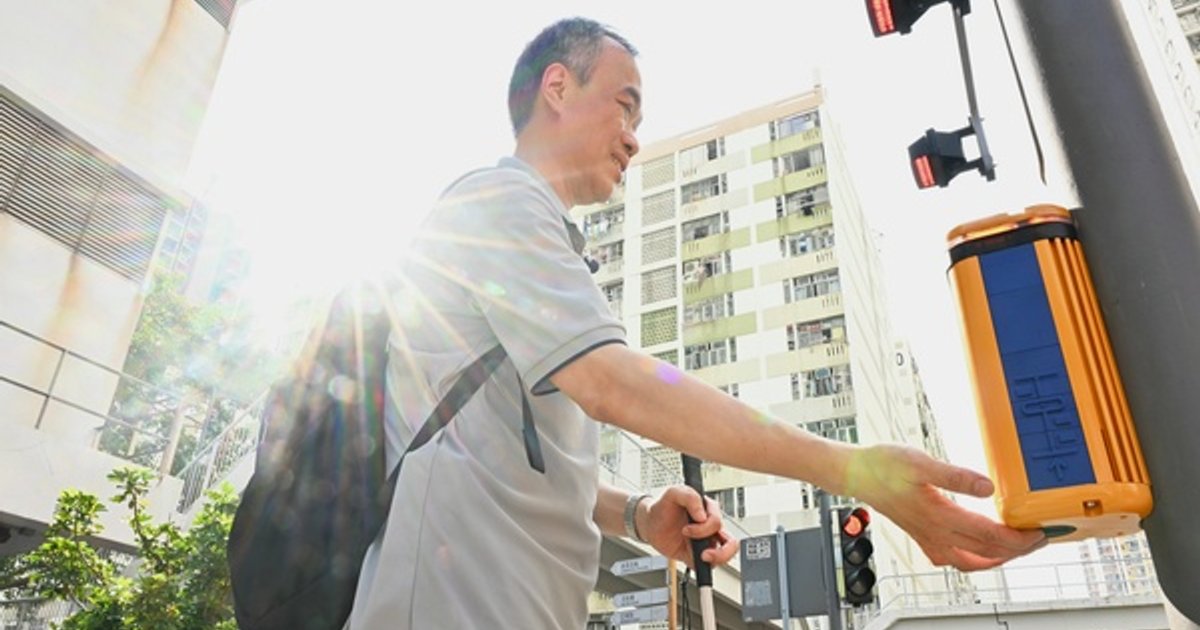
The Transport Department has been progressively rolling out a new generation of electronic audible traffic signals (eATS) across Hong Kong since April 2025, with over 800 pedestrian crossings now equipped with the upgraded devices as of August this year. The "yellow box" devices, mounted on pedestrian signal lights, utilize sound and vibrations to alert visually impaired people to changes in traffic lights. The new generation incorporates feedback from the visually impaired community, including a remote control feature that temporarily increases volume during night-time hours.
Key Points
- The Transport Department has installed new-generation eATS at more than 800 pedestrian crossings, representing 40% of the city's total crossings
- The devices feature a "yellow box" design that provides sound and vibration alerts when pedestrian signals change
- Visually impaired resident Lee Kai-tak (李啟德), 57, who lost his sight over 30 years ago, relies heavily on the voice messages for independent navigation
- A new remote control allows users to temporarily boost volume during night-time hours, developed based on feedback from the visually impaired community
- Gordon Kwok, Chief Engineer (Traffic Control) at the Transport Department, stated that ensuring road safety and improving pedestrian facilities are key pillars of district governance
Why It Matters
The upgrades represent a significant step toward inclusive urban design in Hong Kong, enabling visually impaired residents like Mr Lee to navigate the city more safely and independently. As installation continues, the programme could serve as a model for other cities seeking to enhance accessibility infrastructure.
The upgrades represent a significant step toward inclusive urban design in Hong Kong, enabling visually impaired residents like Mr Lee to navigate the city more safely and independently. As installation continues, the programme could serve as a model for other cities seeking to enhance accessibility infrastructure.