3 Easy Wins to Modernise Hong Kong's Education System
SCMP · 1 SOURCESabout 2 hours ago2 MIN
Summary
An opinion piece argues Hong Kong must radically reform its primary and secondary education system to prepare students for an AI-driven world. The author identifies three low-hanging fruit for improvement: transforming assessment methods, emphasising verbal communication skills, and introducing oral examinations to test higher-order thinking. The piece contends that current approaches relying on rote memorisation are insufficient for developing the relational intelligence and technological literacy demanded by modern workplaces.
Key Points
- The article identifies three forces reshaping the modern world: automation enabled by artificial intelligence, geopolitical tensions and flux, and conflicting values and perspectives .
- Workplaces now demand talent possessing relational intelligence, technological literacy and pragmatism, and functional dexterity .
- Three conjectures are presented: those who communicate with empathy are more likely to secure entry-level jobs; those who embrace technology while remaining aware of its pitfalls will see enhanced productivity; those who can straddle multiple disciplines are less exposed to AI risks .
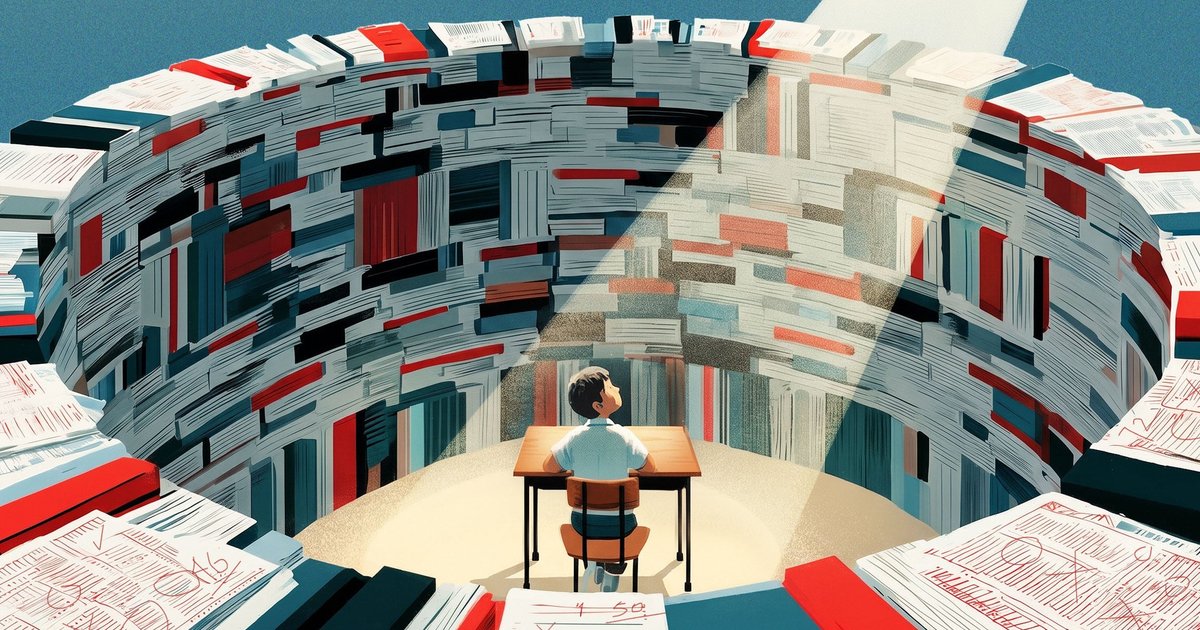
- The first reform proposal calls for changing the purpose and format of school assessments, moving beyond both rote memorisation and AI-challenged submissions toward a third way .
- The second proposal emphasises greater focus on verbal communication and in-depth dialogical cross-examination of ideas, with shorter examinations testing higher-order evaluative and comparative skills .
- The third proposal suggests introducing mandatory in-person oral examinations (viva voce) with suitable workload support for examiners .
- The author has taught debating at Eton College and philosophy at Oxford University and the University of Hong Kong, lending weight to the proposals .
Why It Matters
Hong Kong risks leaving its youth inadequately equipped for an AI-transformed job market unless it disrupts educational inertia and embraces assessment reforms that develop higher-order skills .
Hong Kong risks leaving its youth inadequately equipped for an AI-transformed job market unless it disrupts educational inertia and embraces assessment reforms that develop higher-order skills .