Bessent Defends US Yen Intervention, Citing Risks to American Borrowing Costs
SingTao · 1 SOURCESabout 5 hours ago2 MIN
Summary
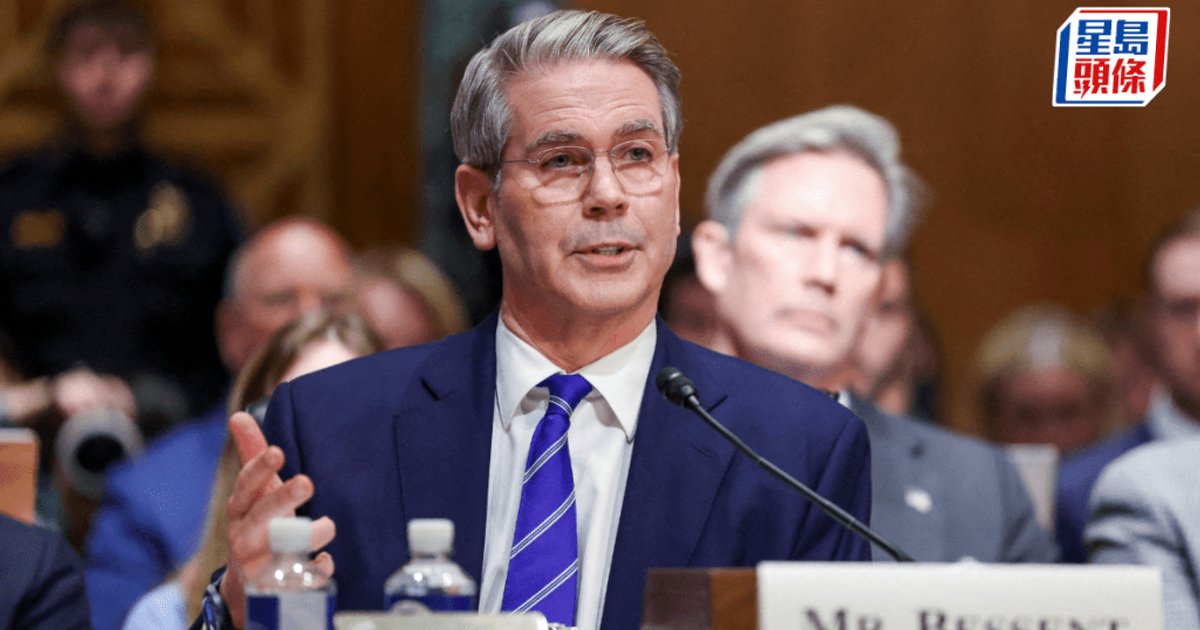
US Treasury Secretary Scott Bessent has publicly defended Washington's July intervention to support the Japanese yen, arguing that any extreme volatility in the currency could reverberate through American financial markets and raise borrowing costs for US consumers and businesses. Bessent's justification came in response to probing questions from Democratic Senator Elizabeth Warren, the senior Democrat on the Senate Banking Committee, who demanded analysis behind the use of the Treasury's Exchange Stabilization Fund. The Treasury Secretary emphasized that Japan is a significant holder of US government debt, and chaotic yen movements could trigger cascading liquidations across global markets.
Key Points
- Bessent stated in his Friday social media post that the intervention used existing foreign currency assets from the Exchange Stabilization Fund to purchase yen
- He declined to specify the exact amount deployed during the late July operation, though he previously suggested US Treasuries may have been involved
- Japan revealed it spent a record $96.4 billion over the past month supporting the yen, marking the largest intervention on record
- Bessent emphasized that no credit was extended to Japan, stating Japan owes the Treasury nothing and there is no risk of default on a non-existent debt
- The yen has surrendered intervention gains, falling back below the 160 level for the first time since the July operation
Why It Matters
The intervention highlights the interconnectedness of global currency markets and their direct impact on American financial conditions. For Hong Kong investors holding yen-denominated assets or dealing with Japanese trading partners, yen volatility directly affects portfolio values and trade settlement costs. The episode also demonstrates Washington's willingness to coordinate with allied economies on currency stability, setting a precedent for future multilateral financial interventions.
The intervention highlights the interconnectedness of global currency markets and their direct impact on American financial conditions. For Hong Kong investors holding yen-denominated assets or dealing with Japanese trading partners, yen volatility directly affects portfolio values and trade settlement costs. The episode also demonstrates Washington's willingness to coordinate with allied economies on currency stability, setting a precedent for future multilateral financial interventions.