Zelensky Insists Europe Must Join Russia-Ukraine Peace Talks
SingTao · 4 SOURCESabout 12 hours ago2 MIN
Summary
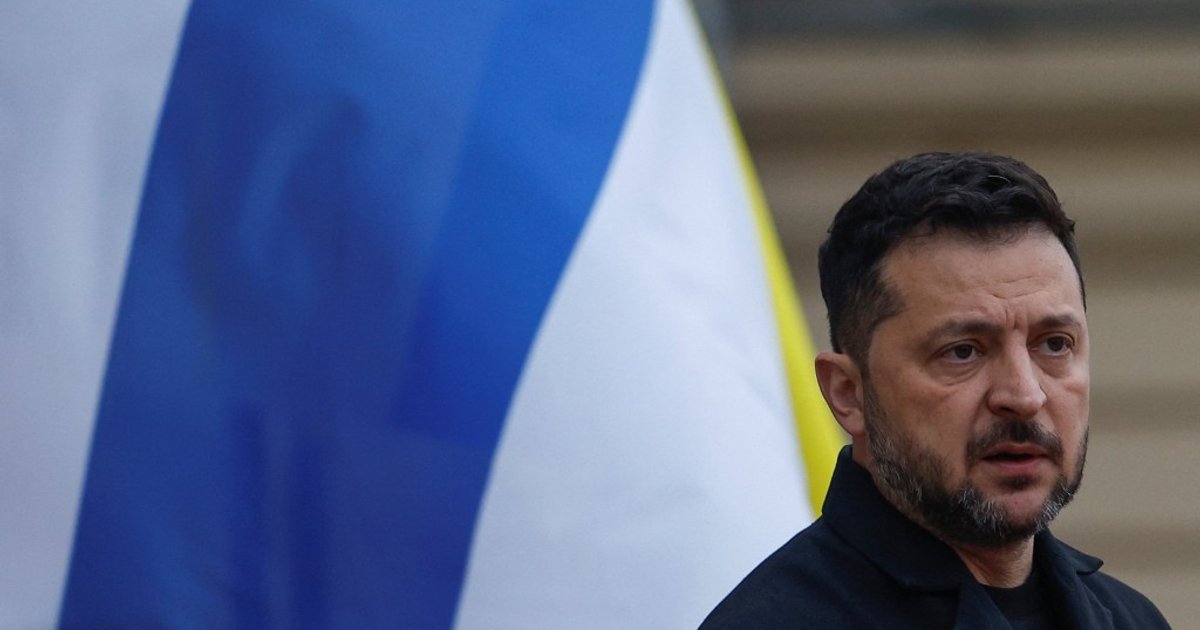
Ukrainian President Volodymyr Zelensky has insisted that Europe must become a regular participant in negotiations to end the Russia-Ukraine war, warning against any exclusion of European nations from talks that could shape the continent's future security. His remarks came during a visit to Dublin on November 12, where he attended the European Political Community leaders' meeting, and followed earlier statements during a visit to Denmark on November 11 . Meanwhile, American negotiators have been pushing for European inclusion in the peace process, with U.S. Special Envoy Witkoff reporting that Russian President Vladimir Putin has agreed to let European representatives attend the next round of talks .
Key Points
- European Union leaders meeting in Dublin on November 14 agreed that Britain, France, Germany, Italy, and Poland will form a five-nation delegation to participate in Ukraine peace negotiations, alongside EU institutions and potentially NATO representatives .
- U.S. Special Envoy Witkoff announced on November 12 that Russian President Putin agreed to allow European representatives at the next round of Ukraine peace talks, a development welcomed by Zelensky .
- American negotiators Kushner and Witkoff traveled from Moscow to Dublin on November 12 to brief Zelensky following their meetings with Putin .
- Three-way talks between Russia, Ukraine, and the United States held in Abu Dhabi on November 11-12 produced an agreement on prisoner exchange, though significant gaps remain on territorial issues and security guarantees .
- Forty European countries signed a declaration in Dublin on November 12 affirming that any matters affecting European security must involve European nations in the decision-making process .
Why It Matters
The push for European participation represents a significant shift in the diplomatic landscape around the Russia-Ukraine conflict. While the United States has led mediation efforts, European nations have growing concerns that they could be excluded from negotiations that fundamentally affect their security. The agreement on European inclusion marks a potential turning point, though deep disagreements remain over whether discussions on European security architecture should precede or follow resolution of the immediate conflict .
The push for European participation represents a significant shift in the diplomatic landscape around the Russia-Ukraine conflict. While the United States has led mediation efforts, European nations have growing concerns that they could be excluded from negotiations that fundamentally affect their security. The agreement on European inclusion marks a potential turning point, though deep disagreements remain over whether discussions on European security architecture should precede or follow resolution of the immediate conflict .