Hong Kong Minibuses Struggle for Survival Amid Aging Fleet, Driver Shortage
HK01 · 1 SOURCESabout 3 hours ago2 MIN
Summary
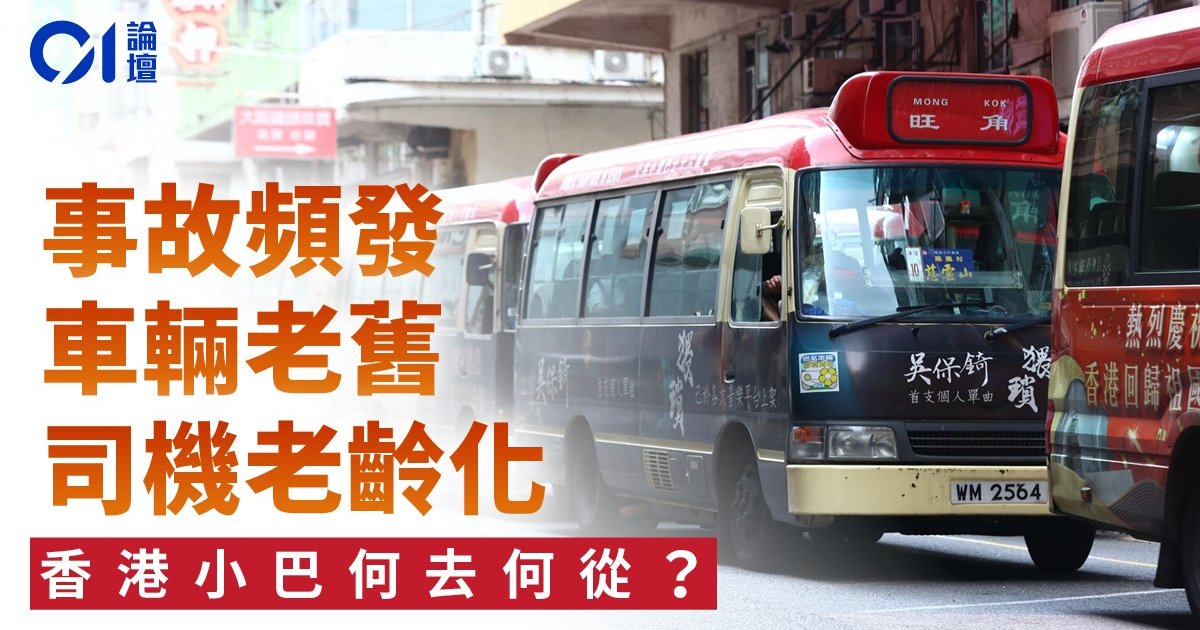
Hong Kong's public minibus sector faces a severe survival crisis amid aging vehicles, an aging driver workforce averaging over 60 years old, and rising safety concerns, with approximately 800 accidents recorded annually over recent years. Despite serving as the city's vital "capillary vessels" of transport—reaching areas inaccessible to railways and franchised buses—minibuses remain marginalized in official transport policy. A contributed article urges the government to elevate minibuses to core public transport status and implement five measures to address systemic challenges.
Key Points
- Hong Kong's public minibus fleet comprises 3,357 green route minibuses and 707 red minibuses, operating as the "capillary vessels" of urban transport
- Minibus drivers average over 60 years old, with many aged 65 or above and some octogenarians still operating vehicles
- The sector records approximately 800 accidents annually over the past four years, with an April 18 incident involving a 72-year-old driver injuring over 10 passengers
- In the first half of 2026, traffic fatalities reached 63, with franchised buses and minibuses each accounting for 8 deaths (13% of total)
- The article proposes five measures to help the industry recover, including formal integration into the public transport system and fleet renewal subsidies
Why It Matters
The minibus crisis exposes structural vulnerabilities in Hong Kong's layered transport network, where low-income residents, elderly citizens, and students depend on these vehicles for last-mile connectivity. Without policy intervention to modernize the fleet, recruit younger drivers, and strengthen safety oversight, the sector's deterioration could disproportionately harm vulnerable commuters while undermining the city's reputation for efficient public transportation .
The minibus crisis exposes structural vulnerabilities in Hong Kong's layered transport network, where low-income residents, elderly citizens, and students depend on these vehicles for last-mile connectivity. Without policy intervention to modernize the fleet, recruit younger drivers, and strengthen safety oversight, the sector's deterioration could disproportionately harm vulnerable commuters while undermining the city's reputation for efficient public transportation .