Netherlands Reports First Known Euthanasia of Child Aged 1-12 in Two-Year-Old
SingTao · 2 SOURCESabout 2 hours ago2 MIN
Summary
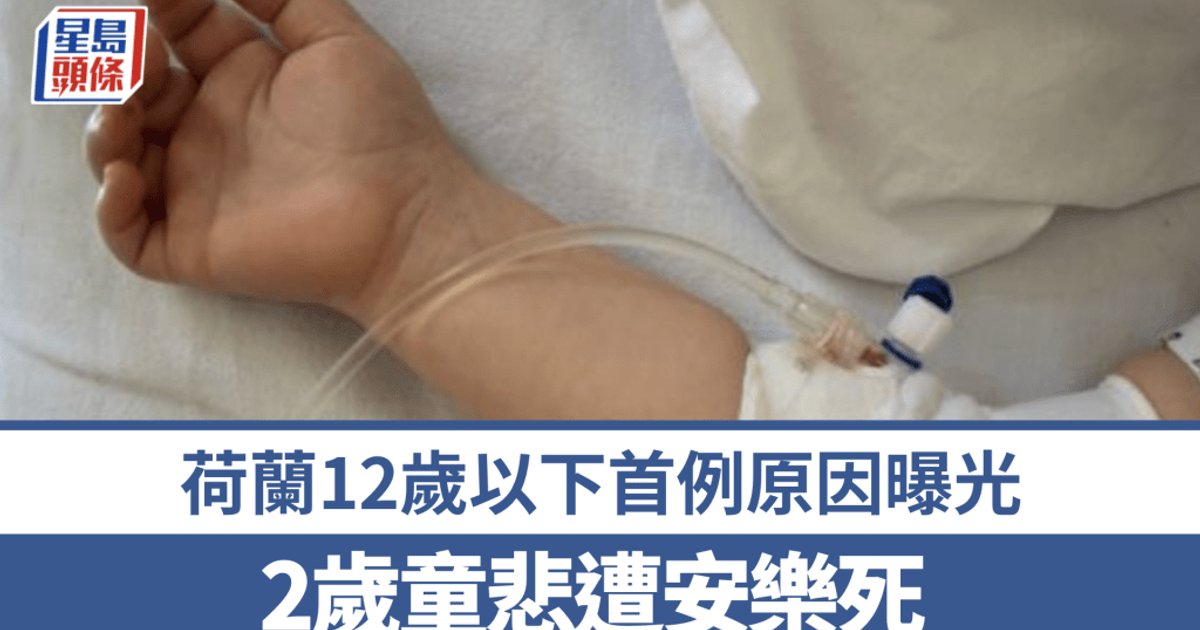
Dutch authorities have released detailed information about the first known euthanasia case involving a child between the ages of 1 and 12. The nearly two-year-old suffered from extensive brain damage, severe cerebral palsy, and medication-resistant epilepsy that developed after premature birth at 26 weeks gestation. Medical professionals, following extensive consultations and with parental consent, made the decision to end the child's life after determining the suffering could not be adequately relieved . A Dutch review committee subsequently ruled that the attending physician fulfilled all due diligence requirements . The case, the first since Netherlands expanded its end-of-life review mechanism to cover children aged 1 to 12 in February 2024, has reignited ethical debates about pediatric euthanasia .
Key Points
- The child was born at 26 weeks and 3 days gestation while parents were traveling abroad, immediately requiring intensive care for complications including recurrent infections and sepsis .
- At approximately 4.5 months old, MRI scans revealed extensive brain damage including periventricular white matter softening and occipital cortex damage affecting vision .
- Diagnosed with West syndrome at 8 months, the child experienced multiple daily epileptic seizures unresponsive to standard anti-epileptic medications .
- By age two, the child's developmental level was assessed as equivalent to approximately a six-week-old infant, with no language development and severe communication limitations .
- First independent doctors believed alternative treatments remained viable, but a second independent doctor confirmed the suffering was unbearable with no reasonable prospect of improvement .
Why It Matters
This case exposes the profound ethical challenges when young children cannot express their own wishes about life-ending decisions. The Netherlands' framework demonstrates how legal mechanisms can attempt to balance physician discretion, parental consent, and independent oversight—but also reveals the ongoing difficulty of determining when suffering crosses an unbearable threshold .
This case exposes the profound ethical challenges when young children cannot express their own wishes about life-ending decisions. The Netherlands' framework demonstrates how legal mechanisms can attempt to balance physician discretion, parental consent, and independent oversight—but also reveals the ongoing difficulty of determining when suffering crosses an unbearable threshold .