Lebanese President Aoun Urges US Action After Israeli Strikes Kill 11 in South Lebanon
SCMP · 2 SOURCESabout 3 hours ago2 MIN
Summary
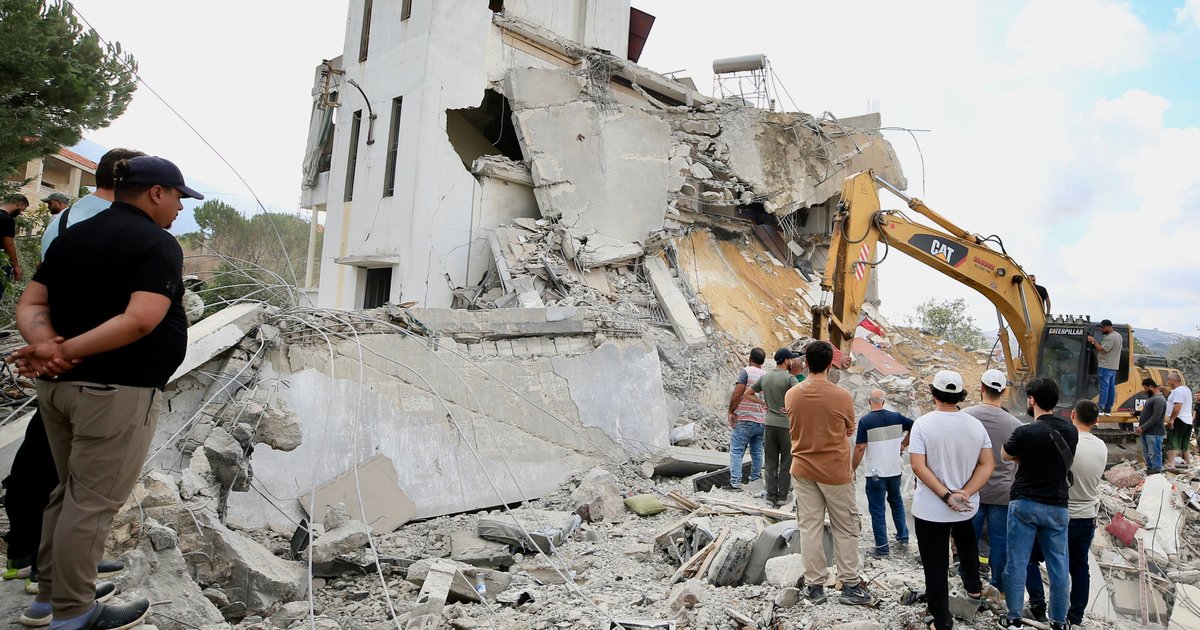
Lebanese President Joseph Aoun has urged Washington and the international community to take urgent action to halt Israeli strikes that killed at least 11 people in southern Lebanon on Sunday, marking what he described as a dangerous escalation targeting Lebanese state institutions. Israel carried out the strikes in response to a Hezbollah drone attack on its troops near the strategic Ali al-Taher ridge in the Nabatieh area, which Israel says it has now captured as part of its self-declared "security zone" in south Lebanon. The attacks destroyed an out-of-service hospital and damaged government premises, drawing condemnation from Beirut and raising concerns about the viability of the ceasefire.
Key Points
- Lebanese President Joseph Aoun called on the United States and the international community to "urgently act to stop these violations" after strikes killed at least 11 people on Sunday .
- Israel's army said it struck Hezbollah "infrastructure sites" across southern Lebanon in response to the launch of two explosive drones towards its troops and "several terrorists" transferring weapons .
- The strikes damaged government premises and "totally destroyed" the out-of-service Ghandour hospital in Nabatieh al-Fawqa, which Lebanon's health ministry called "another grave violation of international humanitarian law" .
- Lebanon's health ministry reported two people killed in Nabatieh al-Fawqa, two women killed in Arab Salim, 20 wounded across multiple locations, and three more killed in a car park strike near Nabatieh .
- Israel said it captured the Nabatieh-area Ali al-Taher ridge, which it considers part of its self-declared "security zone" in south Lebanon, while Hezbollah has not commented on Israel's declaration of control .
Why It Matters
The strikes represent a serious test of the ceasefire framework agreement sponsored by the United States in June, and any breakdown could destabilize the broader Lebanon-Israel border region . For Hong Kong readers, escalating Middle East tensions historically drive oil price volatility that can affect global markets and Hong Kong's energy costs, while also serving as a bellwether for international diplomatic effectiveness in managing armed conflicts .
The strikes represent a serious test of the ceasefire framework agreement sponsored by the United States in June, and any breakdown could destabilize the broader Lebanon-Israel border region . For Hong Kong readers, escalating Middle East tensions historically drive oil price volatility that can affect global markets and Hong Kong's energy costs, while also serving as a bellwether for international diplomatic effectiveness in managing armed conflicts .