HKU study finds chronic disease scheme cuts diabetes risk
HK01 · 2 SOURCES1 day ago3 MIN
Summary
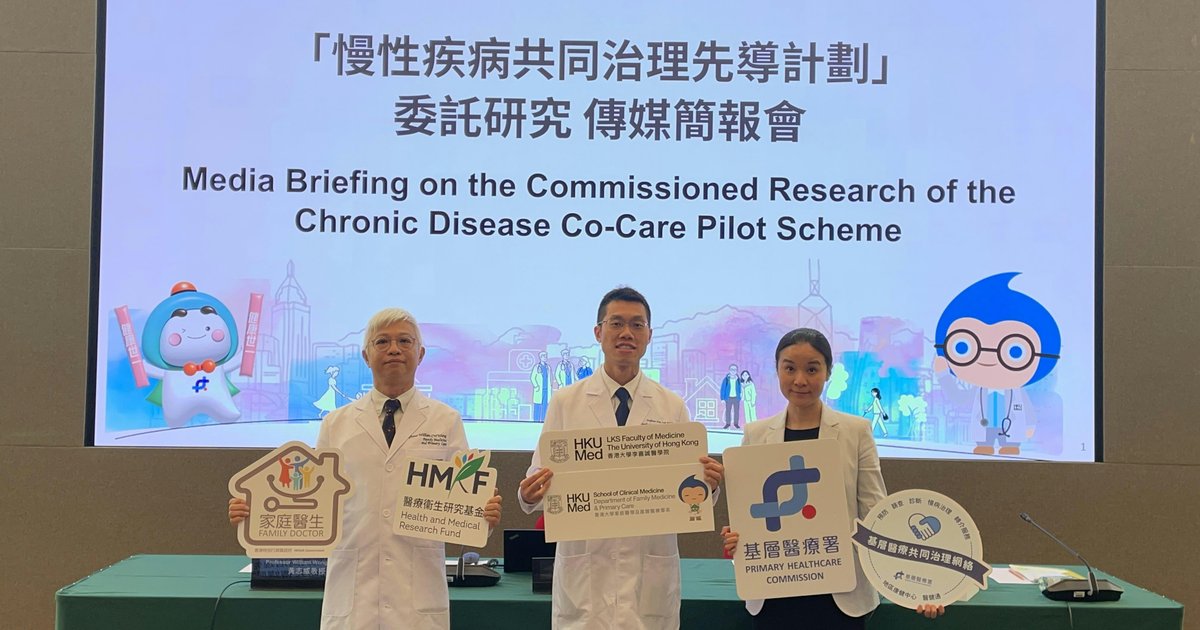
A University of Hong Kong evaluation commissioned by the Health Bureau found Hong Kong’s Chronic Disease Co-Care Pilot Scheme was effective in identifying hidden chronic illness early and improving key health indicators after one year of follow-up. Among more than 26,000 participants who completed screening, 5,950 newly diagnosed with diabetes, hypertension or prediabetes received treatment and completed a year of multidisciplinary management, with significant improvements in blood sugar, blood pressure, body weight and low-density lipoprotein cholesterol. By January, the scheme had attracted more than 200,000 participants, and about 40% were diagnosed with diabetes, hypertension or elevated blood sugar. Officials said the cap on participant numbers had been removed and expected the broader primary healthcare network to serve 700,000 people over the next five years
Key Points
- The pilot scheme was launched in November 2023, offering cardiovascular risk screening through family doctors to Hong Kong residents aged 45 or above under a government-subsidised co-payment model
- HKU analysed data from more than 26,000 screened participants; 5,950 diagnosed with diabetes, hypertension or prediabetes completed one year of follow-up care.
- Among diabetes patients, average glycated haemoglobin fell from 7.76% to 6.70% after one year, a drop of 1.05 percentage points
- Matched analysis found participating diabetes patients were 2.8 times more likely than non-participants using self-management alone to keep HbA1c below 7%.
- Researchers projected that, over 10 years, stroke, heart failure and vascular disease cases could each fall by about one-tenth, with type 2 diabetes down 8%.
- A participant identified as Mr Chu, now 51, said he had ignored dizziness and a sedentary lifestyle for years before screening under the scheme found he had type 2 diabetes. After treatment, his blood glucose reading fell from 12.2 to about 6.2, while his energy and physical fitness improved; he also joined exercise programmes at a District Health Centre and built healthier habits through running and hiking. He said the co-payment arrangement reduced his financial burden, with each consultation costing a little over HK$100, and prescribed lipid-lowering drugs covered through the doctor rather than paid out of pocket. Survey findings also showed more than 96% of respondents said District Health Centre services were helpful, while more than 90% said the scheme improved their understanding of their own health and ability to respond to it
Why It Matters
For Hong Kong readers, the findings suggest community-based screening and follow-up can move chronic disease care upstream, catching problems before they become strokes, kidney disease or heart failure. The government’s decision to remove participation limits and rely on a network of more than 900 doctors indicates this model is being positioned as a core part of primary healthcare planning rather than a small pilot