BOJ Governor Ueda Signals September Rate Hike, Nikkei Plunges 3%
SingTao · 1 SOURCESabout 3 hours ago2 MIN
Summary
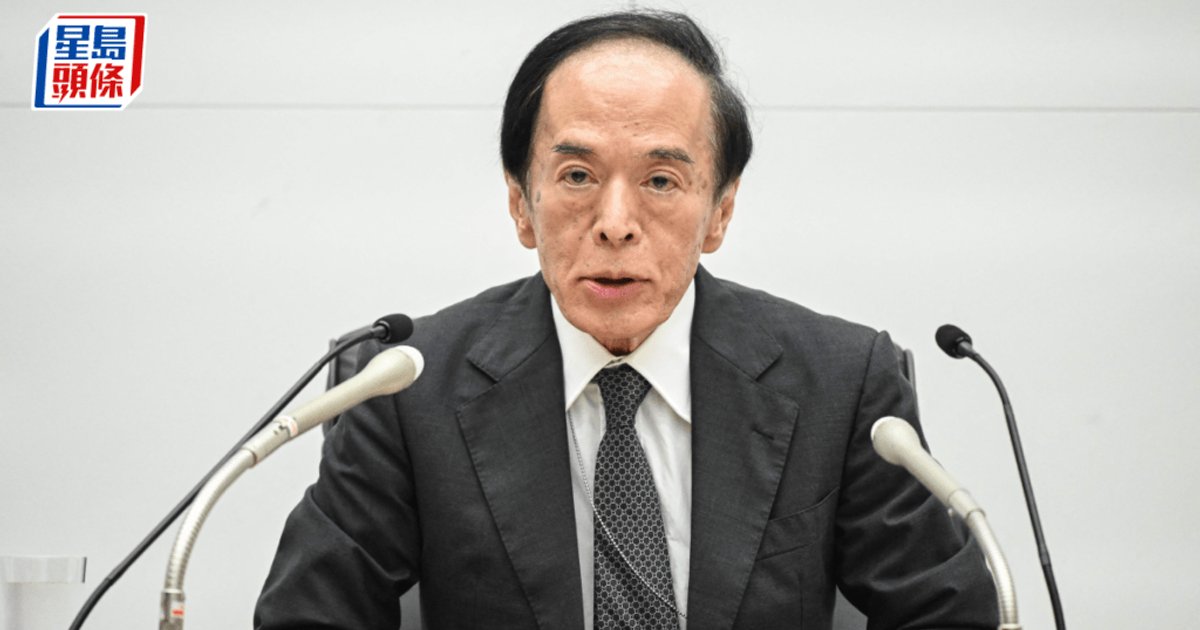
Bank of Japan Governor Kazuo Ueda has indicated that the central bank may raise interest rates at its September policy meeting, warning that policymakers must now focus more on upside risks to inflation as underlying price pressures approach the 2% target. Markets reacted sharply to the hawkish tone, with the yen whipsawing against the dollar and Japanese equities suffering their worst session in months. The 10-year government bond yield climbed to its highest level in three decades, reflecting expectations that monetary policy will be tightened further. The comments came during the G20 finance ministers and central bank governors meeting in Asheville, North Carolina, where Ueda stood alongside Japanese Finance Minister Satomi Kaoriyama to address reporters.
Key Points
- USD/JPY swung from 160.39 to 160.17 as the yen gave back most of its gains following the July 31 US-Japan joint currency intervention
- The benchmark 10-year Japanese government bond yield reached 3.016%, marking a 30-year peak not seen since 1996
- Japan's main equity index plummeted nearly 3% to 64,234 points, extending recent losses amid the policy uncertainty
- Overnight index swaps are pricing in approximately 100% probability of a BOJ rate hike at the September meeting, with Ueda declining to rebut market expectations
- US Treasury Secretary Bessent held talks with Ueda and stressed the importance of sound monetary policy and clear communication to stabilize inflation expectations and prevent excessive currency volatility
Why It Matters
For Hong Kong investors, the BOJ's pivot toward tighter monetary policy carries significant implications for regional financial markets and currency dynamics. A stronger yen could intensify competitive pressure on Hong Kong's export-oriented industries and affect the valuation of yen-denominated assets held by local investors. Additionally, higher Japanese bond yields may draw capital away from lower-yielding markets, potentially widening Hong Kong's interest rate differential with the US and adding pressure on the Hong Kong dollar's linked exchange rate system .
For Hong Kong investors, the BOJ's pivot toward tighter monetary policy carries significant implications for regional financial markets and currency dynamics. A stronger yen could intensify competitive pressure on Hong Kong's export-oriented industries and affect the valuation of yen-denominated assets held by local investors. Additionally, higher Japanese bond yields may draw capital away from lower-yielding markets, potentially widening Hong Kong's interest rate differential with the US and adding pressure on the Hong Kong dollar's linked exchange rate system .