Sri Lanka Court Convicts 15 Men in 2019 Easter Bombings Trial
SCMP · 3 SOURCESabout 2 hours ago2 MIN
Summary
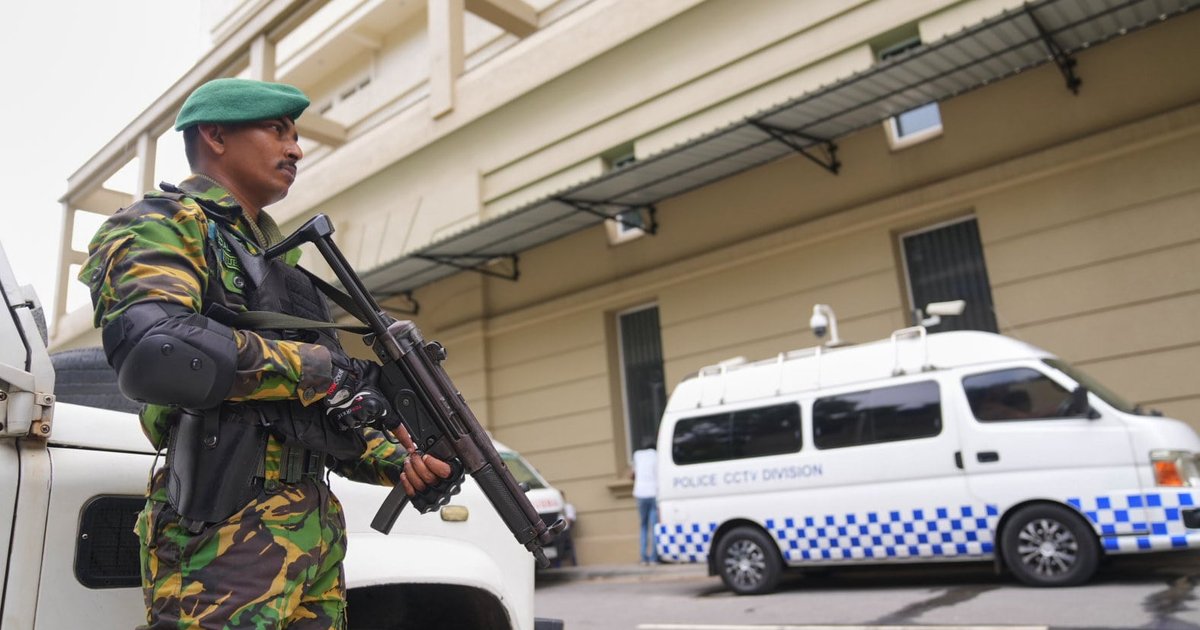
Sri Lanka's High Court delivered its verdict on Tuesday in the landmark trial of 24 men accused of plotting the 2019 Easter Sunday bombings, convicting 15 of them in connection with the deadliest attack against civilians in the island nation's post-civil war history. The coordinated suicide bombings struck three churches and three luxury hotels on April 21, 2019, killing 270 people and injuring more than 500, including 45 foreigners. Nine other defendants were acquitted in the verdict delivered by the Colombo High Court Trial-at-Bar .
Key Points
- The attack involved eight suicide bombers detonating explosives at St. Anthony's Church, St. Sebastian's Church, and Zion Church, as well as the Shangri-La, Cinnamon Grand, and Kingsbury hotels on April 21, 2019 .
- Prosecutors filed 23,270 charges against the defendants—the highest number ever in a single Sri Lankan case—including murder, conspiracy to commit terrorism, and possessing firearms under the Prevention of Terrorism Act .
- Naufer Moulavi was identified as the alleged mastermind who provided support to the suicide squad, while three other convicted defendants also face separate terrorism charges filed by US authorities in December 2020 .
- All eight bombers died in the blasts; the 25 men originally indicted were all from Sri Lanka's Muslim minority, with one defendant having died in custody before the verdict .
- More than 2,300 witnesses testified and 2,076 pieces of evidence were presented, including explosives, swords, and firearms .
Why It Matters
The verdict brings a measure of closure to victims' families nearly seven and a half years after the attacks, though the case has also exposed significant intelligence failures. Sri Lankan authorities acknowledged a tip-off from India about the attacks was not properly shared with relevant authorities, and in 2023 the Supreme Court ordered former president Maithripala Sirisena to pay millions in compensation to victims . The prospect of death sentences—despite Sri Lanka not carrying out an execution since 1976—underscores the gravity with which the courts view these crimes.
The verdict brings a measure of closure to victims' families nearly seven and a half years after the attacks, though the case has also exposed significant intelligence failures. Sri Lankan authorities acknowledged a tip-off from India about the attacks was not properly shared with relevant authorities, and in 2023 the Supreme Court ordered former president Maithripala Sirisena to pay millions in compensation to victims . The prospect of death sentences—despite Sri Lanka not carrying out an execution since 1976—underscores the gravity with which the courts view these crimes.