Schools at Heart of Hong Kong's New Sports Development Plan
SCMP · 1 SOURCESabout 2 hours ago2 MIN
Summary
Hong Kong's government has unveiled a five-year sports development plan for 2026-2030 that places promoting sport in schools and the community at its core. About US$6.1 billion, representing 73 percent of recurrent sports expenditure, has been allocated for community sports promotion in the 2025-26 fiscal year. The Leisure and Cultural Services Department plans to organize roughly 38,000 recreational and sports activities in 2026-27, with officials hoping to inspire more young athletes to follow pathways like that of Maryam Bibi, vice-captain of Hong Kong's women's cricket team.
Key Points
- The government's five-year plan (2026-2030) outlines five objectives: promoting community sport, supporting elite athletes, maintaining Hong Kong as a hub for international events, enhancing sports professionalism, and developing sports as an industry .
- In the 2025-26 financial year, US$6.1 billion (73 percent of recurrent sports expenditure) was allocated specifically for promoting sport in the community .
- The Leisure and Cultural Services Department expects to organize about 38,000 recreational and sports activities in 2026-27, targeting an estimated 2.4 million participant visits .
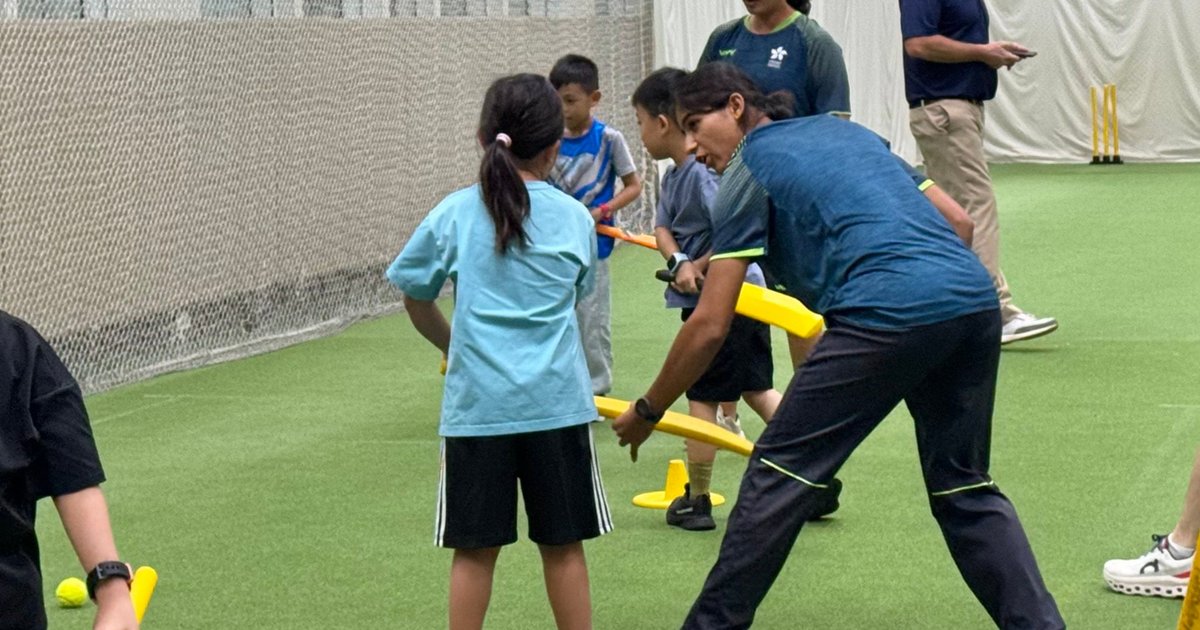
- During August's Sport For All Day, Hong Kong Cricket Club attracted 92 children to a four-hour programme led by women's team vice-captain Maryam Bibi .
- Bibi discovered cricket through school and believes promoting the sport in local schools is crucial for building future talent pipelines .
Why It Matters
The strategy reflects a belief that broader community participation can simultaneously improve public health outcomes, expand the audience for sporting events, and create a stronger foundation for identifying and developing elite athletes . With Hong Kong hosting fewer major international sporting events compared to regional competitors like Singapore and Tokyo, the government's emphasis on grassroots development could prove essential for sustaining the city's sporting ecosystem and international reputation.
The strategy reflects a belief that broader community participation can simultaneously improve public health outcomes, expand the audience for sporting events, and create a stronger foundation for identifying and developing elite athletes . With Hong Kong hosting fewer major international sporting events compared to regional competitors like Singapore and Tokyo, the government's emphasis on grassroots development could prove essential for sustaining the city's sporting ecosystem and international reputation.