Social Enterprise Combines AI and TCM to Help Hong Kong Seniors Live Fulfilling 'Second Lives'
HK01 · 1 SOURCESabout 2 hours ago5 MIN
Summary
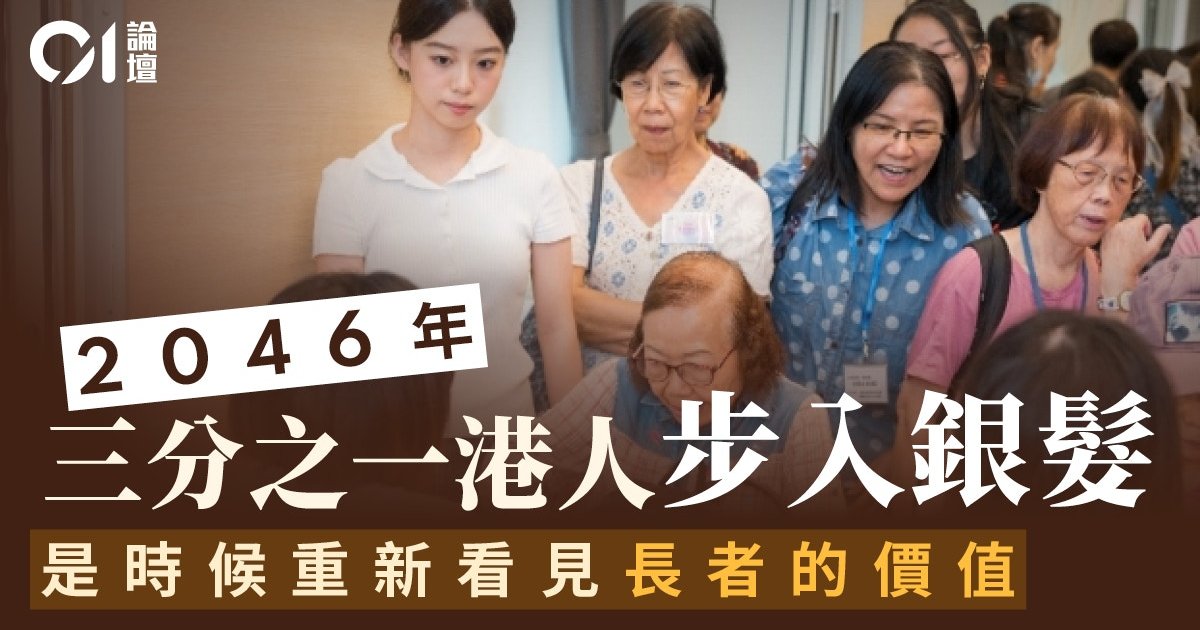
Hong Kong is entering an unprecedented era of population aging, with government projections indicating that one in three residents will be aged 65 or above by 2046. While public discourse often focuses on healthcare costs and caregiving burdens, a social entrepreneur is shifting the narrative toward how elderly residents can continue contributing to community life with dignity and purpose.
Key Points
- The government's Census and Statistics Department projects that by 2046, approximately 33% of Hong Kong's population will be aged 65 or older
- Lam Hiu-yan, founder of social enterprise "Yu Lok Yuen" (悠樂圓), developed an AI-TCM integrated wellness model featuring Nine-Type Constitution analysis and personalized health recommendations
- The enterprise offers herbal foot soak packages and brain-nourishing wellness tea as daily health practices designed to create natural intergenerational interaction opportunities
- Over 300 individuals have received services through organized intergenerational activities including health workshops, empathy training sessions, festive visits, and community gatherings
- Yu Lok Yuen has been selected for the Greater Bay Area Youth Innovation and Social Innovation Programme, receiving three years of incubation support from Hang Seng University of Hong Kong's Innovation and Entrepreneurship Centre
- The programme is funded by the民政及青年事務局 (Home and Youth Affairs Bureau) and 青年發展委員會 (Youth Development Commission)
Why It Matters
This model demonstrates a viable alternative to traditional eldercare approaches by positioning seniors not merely as service recipients but as experience sharers, community contributors, and teachers of life wisdom. As Hong Kong grapples with demographic challenges, successful integration of technology with human connection could reshape how the city addresses aging while strengthening social cohesion across generations .
This model demonstrates a viable alternative to traditional eldercare approaches by positioning seniors not merely as service recipients but as experience sharers, community contributors, and teachers of life wisdom. As Hong Kong grapples with demographic challenges, successful integration of technology with human connection could reshape how the city addresses aging while strengthening social cohesion across generations .