USS Roosevelt Deploys to Middle East as Prolonged Carrier Stints Strain Crew Morale
SingTao · 2 SOURCESabout 2 hours ago2 MIN
Summary
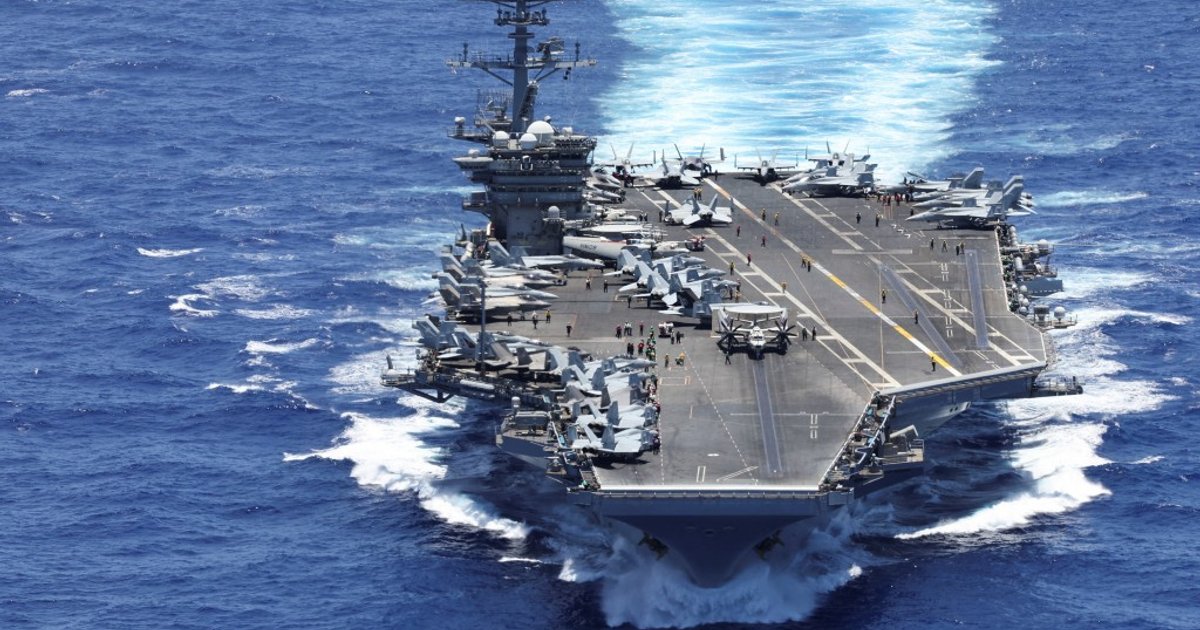
The Pentagon has ordered the USS Theodore Roosevelt (CVN-71) and its complement of approximately 5,000 sailors to deploy to the Middle East within the coming weeks, where it will assume duties from the USS George Washington, according to reports from the US Naval Institute . The George Washington only arrived in the Middle East last week after being hastily dispatched from Japan to relieve the USS Abraham Lincoln, which has been stationed at sea for over 200 consecutive days—a deployment that has reportedly pushed crew members to their limits, with multiple sailors attempting suicide by jumping overboard .
Key Points
- The USS Roosevelt will undertake a minimum seven-month deployment to maintain the US carrier presence in the Arabian Sea amid the ongoing conflict with Iran
- The USS George Washington reached the Middle East last week, taking over from the Abraham Lincoln after its record-long 200-day sea deployment
- The Abraham Lincoln, which originally departed San Diego in November 2025 for South China Sea operations, was redirected to the Middle East ahead of the US-Israel offensive against Iran
- The Abraham Lincoln is currently en route to Thailand for a port call expected next week, providing long-overdue rest for exhausted crew members
- The carrier rotation has left the Indo-Pacific region completely devoid of US carrier coverage, raising concerns about American deterrence posture vis-à-vis China
- The USS Bush remains deployed in the Middle East alongside the George Washington, maintaining a two-carrier presence in the Arabian Sea
- Navy officials confirmed that lessons learned from the Abraham Lincoln crisis have prompted the establishment of improved logistics and support chains
Why It Matters
The extended deployment cycle reflects the mounting operational tempo facing the US Navy as it sustains simultaneous carrier commitments in both the Middle East and Indo-Pacific theaters, with Admiral Daryl Caudle, the Chief of Naval Operations, warning that the sustained confrontation with Iran places unprecedented strain on fleet readiness and personnel welfare .
The extended deployment cycle reflects the mounting operational tempo facing the US Navy as it sustains simultaneous carrier commitments in both the Middle East and Indo-Pacific theaters, with Admiral Daryl Caudle, the Chief of Naval Operations, warning that the sustained confrontation with Iran places unprecedented strain on fleet readiness and personnel welfare .