Bessent: China AI Models Reach 80% US Capability, Proposes Reporting Mechanism
On.cc · 3 SOURCESabout 2 hours ago2 MIN
Summary
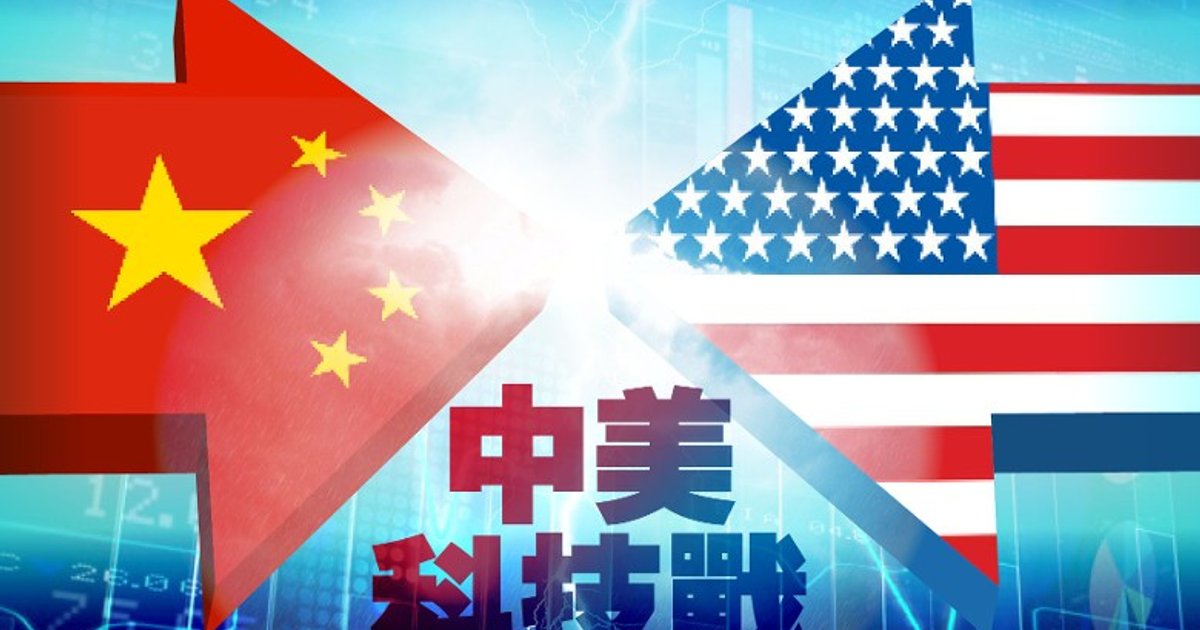
US Treasury Secretary Scott Bessent stated that Chinese AI models have developed to 80 to 90 percent of US capability levels, and Washington plans to propose an AI notification mechanism to Beijing. The two nations have agreed to establish an AI dialogue framework, with the first meeting scheduled for November. Recent research indicates that the performance gap between leading US and Chinese AI models has narrowed to approximately 3 percent.
Key Points
- US Treasury Secretary Scott Bessent told Axios that China has developed AI models reaching 80 to 90 percent of US capability, though they lack safety guardrails under open-source deployment.
- Bessent confirmed that Washington and Beijing discussed AI safety risks including AI agents running out of control and cyber or biological threats from non-government actors during talks with Vice Premier He Lifeng.
- The two sides plan to hold their first AI dialogue session in November, with potential discussions again in October or November.
- Research by analyst Robert Lea shows that after DeepSeek released V4.1 Flash in September, China's top AI models now trail US competitors by only 3 percent, down from 9 percent in May and 15 percent earlier this year.
- Bessent accused China of using distillation technology to extract US techniques, but emphasized the US will not share its AI technology with China.
Why It Matters
The narrowing gap between US and Chinese AI capabilities marks a fundamental shift in the global technology competition, as only these two nations currently possess the resources to compete at this level. The proposed AI notification mechanism represents Washington's effort to frame safety concerns as leverage for international AI governance while maintaining its own strategic industry advantages. For Hong Kong, this tech rivalry will shape future smart city infrastructure decisions ranging from autonomous vehicles to integrated home and office systems, where the winning AI standard could define the region's technological ecosystem for decades.
The narrowing gap between US and Chinese AI capabilities marks a fundamental shift in the global technology competition, as only these two nations currently possess the resources to compete at this level. The proposed AI notification mechanism represents Washington's effort to frame safety concerns as leverage for international AI governance while maintaining its own strategic industry advantages. For Hong Kong, this tech rivalry will shape future smart city infrastructure decisions ranging from autonomous vehicles to integrated home and office systems, where the winning AI standard could define the region's technological ecosystem for decades.