Sports Medicine Expert Shares Six Acupoints for Relieving Knee Pain at Home
SingTao · 1 SOURCESabout 2 hours ago2 MIN
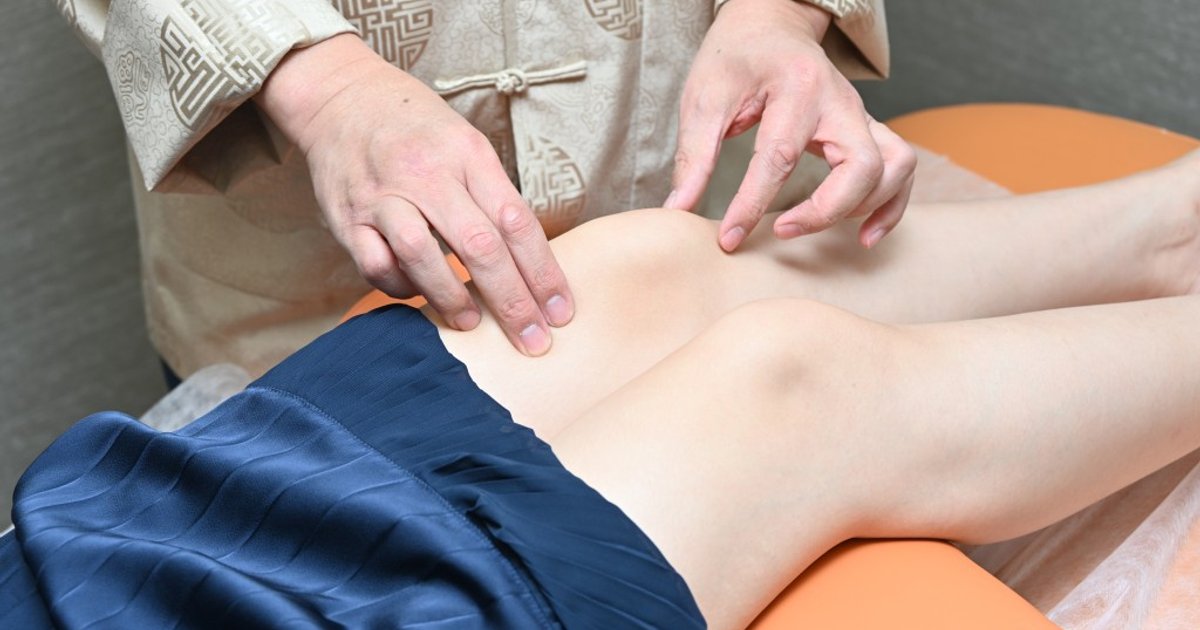
Summary
Legs serve as the body's primary load-bearing structure and engine of movement, with approximately half of the body's bones and muscles concentrated in the lower limbs. A saying in Chinese medicine states that "when a tree ages, its roots wither first; when a person ages, the legs decline first; when legs age, the knees decline first." Knee pain and discomfort become increasingly common with age.
Key Points
- Traditional Chinese Medicine views the legs as the hub of qi and blood circulation, with six of the twelve meridians running through the legs. The liver governs tendons, the kidney governs bones, and the spleen governs transformation—when these organs are imbalanced, the tendons and bones lose nourishment, leading to leg weakness and knee pain .
- Modern medicine identifies three main causes of knee pain: muscle atrophy beginning after age 30 leaves joints without support; cartilage wear and bone spurs trigger osteoarthritis; and aging blood vessels in the legs contribute to soreness, numbness, and swelling .
- The first two acupoints—inner and outer knee-eye points (nei-wai xi-yan)—are located in the depressions below the kneecap. Massaging both simultaneously for one to two minutes until a sore, distended sensation is felt helps unblock local qi and blood, improving joint stiffness and walking pain .
- Yanglingquan (yang-ling-chuan) is the tendon convergence point among the eight influential points, effective for treating muscle and tendon injuries and relieving knee spasms. Yinlingquan (yin-ling-chuan) below the medial tibial condyle drains dampness and cold, ideal for knees that feel cold, swollen, or painful in rainy weather .
- Xuehai (hsueh-hai), located two cun above the medial superior border of the kneecap, promotes blood circulation to remove stasis. Two minutes of massage improves knee fatigue, pain when squatting or standing, and difficulty bending or extending the joint .
Why It Matters
With Hong Kong's aging population and many residents relying on walking as primary transportation, knee health significantly impacts quality of life and independence. Daily acupressure massage taking just a few minutes offers a cost-effective, accessible complementary therapy for managing knee discomfort alongside conventional treatments .
With Hong Kong's aging population and many residents relying on walking as primary transportation, knee health significantly impacts quality of life and independence. Daily acupressure massage taking just a few minutes offers a cost-effective, accessible complementary therapy for managing knee discomfort alongside conventional treatments .