Wang Yi, US Envoy Push Stable China-US Ties
SingTao · 4 SOURCESabout 14 hours ago2 MIN
Summary
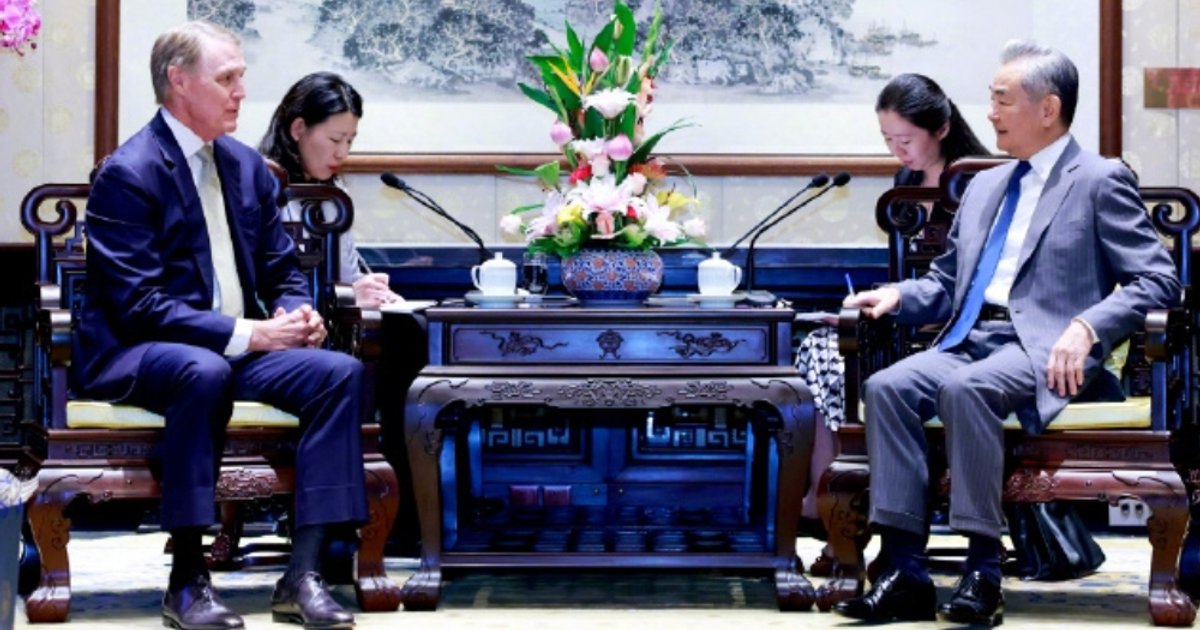
Chinese Foreign Minister Wang Yi met US Ambassador to China David Perdue in Beijing on August 26, as both sides said they were working to build a constructive and strategically stable China-US relationship. Wang said bilateral ties still face risks and challenges, and called for implementing the important consensus reached by the two heads of state while removing disruptions to high-level exchanges. Perdue said the two leaders provide strategic guidance, described President Donald Trump's May visit to China as very successful, and said both sides want stronger communication and cooperation. New reporting also said Perdue later wrote that he had productive talks with Wang and Vice Foreign Minister Ma Zhaoxu on preparations for a state return visit by President Xi Jinping to Washington, while Beijing said the two sides remain in communication on leader-level interactions this year
Key Points
- Wang, a member of the Communist Party Politburo and foreign minister, met Perdue in Beijing on Thursday, August 26, to exchange views on current and future China-US relations.
- Wang said improving China-US ties through mutual respect, peaceful coexistence and win-win cooperation serves both peoples' interests and meets international expectations.
- He warned that relations still face various risks and challenges, urging both sides to implement leaders' consensus and clear obstacles to senior-level exchanges.
- Perdue said Trump's May visit to China was very successful and that both governments want to strengthen communication, advance cooperation and prepare the next major high-level interaction.
- Perdue also conveyed US condolences over the mudslide disaster in Gyirong, Tibet; one report said an initial tally showed three dead and 558 missing.
Why It Matters
For Hong Kong, the meeting suggests Beijing and Washington are still trying to preserve top-level channels even while acknowledging unresolved tensions. Continued communication over possible leader-level exchanges could affect regional diplomatic expectations, business sentiment and how markets assess the stability of China-US relations. Perdue's post and Beijing's guarded response also show that both sides are managing expectations carefully around any future summit-level contact