Boeing-Lockheed Rocket Fails on Maiden Mission, Destroying 40 Amazon Satellites
SingTao · 2 SOURCESabout 19 hours ago2 MIN
Summary
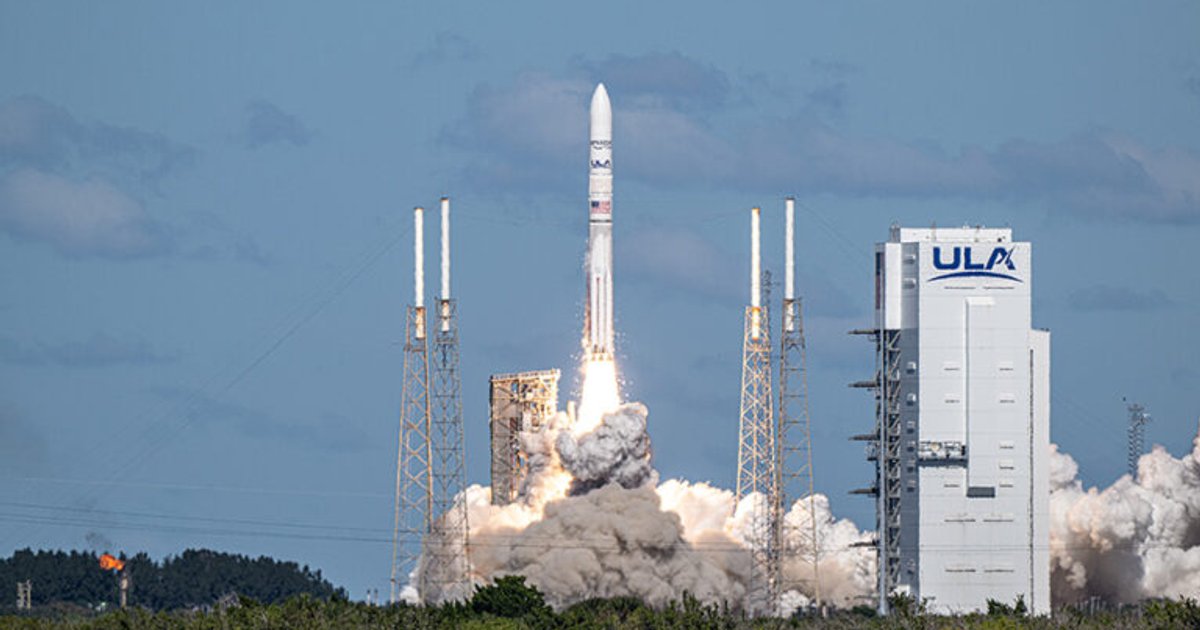
United Launch Alliance's (ULA) Vulcan rocket experienced a critical anomaly approximately 10 minutes after liftoff from Cape Canaveral Space Force Station in Florida on Sunday, resulting in the total loss of 40 Amazon broadband satellites. The inaugural mission for the joint venture between Boeing and Lockheed Martin marks ULA's first failure in two decades of operations. The incident severely undermines Amazon's strategy to establish a satellite internet constellation capable of rivaling SpaceX's Starlink, which currently operates over 11,000 satellites in low Earth orbit.
Key Points
- The Vulcan rocket launched at 12:40 pm US Eastern time on Sunday (1:40 am Monday Hong Kong time) from Cape Canaveral Space Force Station, Florida
- Approximately 10 minutes after liftoff, flight data confirmed an anomaly that prevented the 40 broadband satellites from reaching their intended low Earth orbit
- This mission was the first of 38 contracted Vulcan launches for Amazon's satellite broadband program, representing a major setback to the company's deployment timeline
- Amazon has invested over $10 billion (approximately HK$78 billion) in its low Earth orbit satellite initiative, having deployed roughly 400 satellites since April 2025
- ULA officials stated the company will collaborate with Amazon and relevant authorities to determine the cause and implement corrective measures
Why It Matters
This failure creates substantial challenges for Amazon's satellite internet ambitions. The company trails SpaceX significantly in orbital satellite deployment, with Starlink already commanding a dominant market position. The loss may delay Amazon's timeline to offer commercial services, potentially giving SpaceX an even wider competitive advantage in the emerging satellite broadband market .
This failure creates substantial challenges for Amazon's satellite internet ambitions. The company trails SpaceX significantly in orbital satellite deployment, with Starlink already commanding a dominant market position. The loss may delay Amazon's timeline to offer commercial services, potentially giving SpaceX an even wider competitive advantage in the emerging satellite broadband market .