Manila Air Turns 'Acutely Unhealthy' as Indonesian Haze Reaches Philippines
SCMP · 1 SOURCESabout 3 hours ago2 MIN
Summary
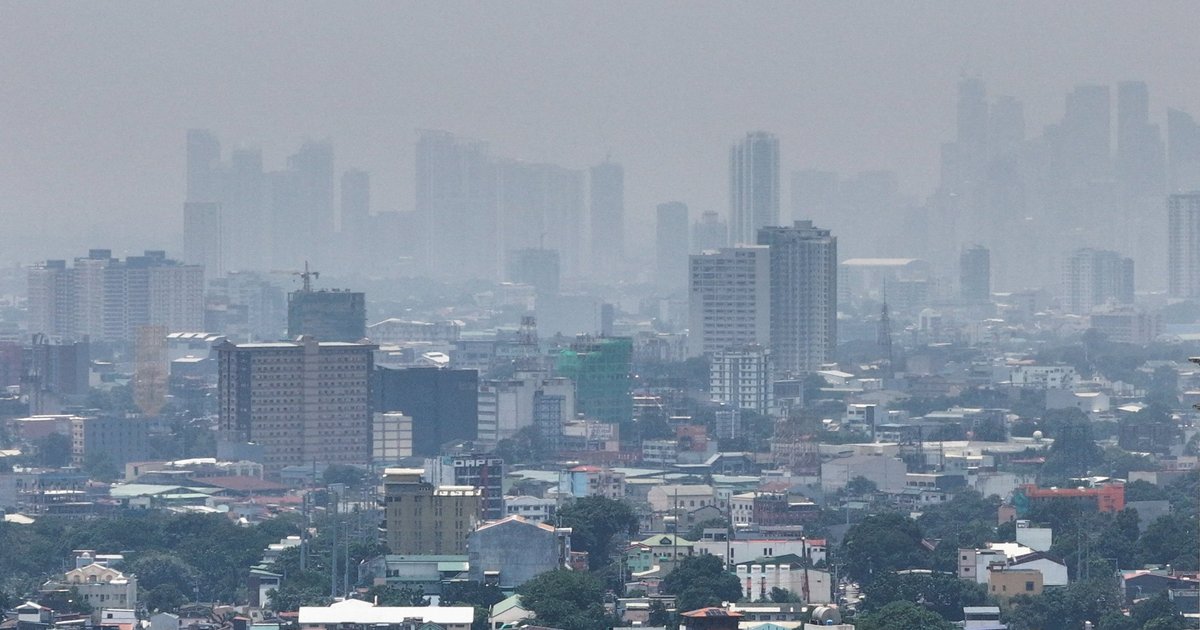
Smoke from Indonesian wildfires blanketed Manila on Tuesday, turning fires nearly 2,000km away into a public-health warning for the Philippine capital and reviving concerns over Southeast Asia's recurring transboundary haze problem . The haze, carried by southwesterly winds from fires in Kalimantan, prompted health experts to urge people to wear N95 masks outdoors as air quality reached acutely unhealthy levels . Quezon City has suspended classes in all schools in response to the hazardous air conditions .
Key Points
- Air quality index readings from Department of Environment and Natural Resources monitoring stations classified parts of Metro Manila as having 'acutely unhealthy' air
- The pollutants originated from intensifying wildfires in western and southern Kalimantan, the Indonesian portion of Borneo, approximately 1,939km from Manila
- Gerry Bagtasa, a Japan-trained atmospheric physicist at the University of the Philippines' Institute of Environmental Science and Meteorology, identified the haze as consisting of dangerous tiny particles carried by southwesterly winds
- Two typhoons hovering east of Taiwan and south of Hong Kong, combined with the current El Nino phenomenon, are intensifying the southwest monsoon Habagat and pulling fire emissions from Kalimantan
- Bagtasa expected the haze to linger until the weekend, depending on wind direction changes; the last time the Philippines was affected by Indonesian haze was in 2015 during another El Nino event
Why It Matters
The Manila haze episode demonstrates how industrial-scale burning practices in one Southeast Asian country can rapidly degrade air quality thousands of kilometres away, turning what begins as a regional environmental problem into an acute public health crisis affecting millions of urban residents . The incident also highlights the compounding effect of climate phenomena like El Nino on seasonal weather patterns, with atmospheric conditions intensifying the transport of pollutants across borders in ways that overwhelm local health infrastructure and force emergency responses such as school closures .
The Manila haze episode demonstrates how industrial-scale burning practices in one Southeast Asian country can rapidly degrade air quality thousands of kilometres away, turning what begins as a regional environmental problem into an acute public health crisis affecting millions of urban residents . The incident also highlights the compounding effect of climate phenomena like El Nino on seasonal weather patterns, with atmospheric conditions intensifying the transport of pollutants across borders in ways that overwhelm local health infrastructure and force emergency responses such as school closures .