Hong Kong's Subdivided Flats Become Heat Traps as Temperatures Soar
SCMP · 1 SOURCESabout 2 hours ago2 MIN
Summary
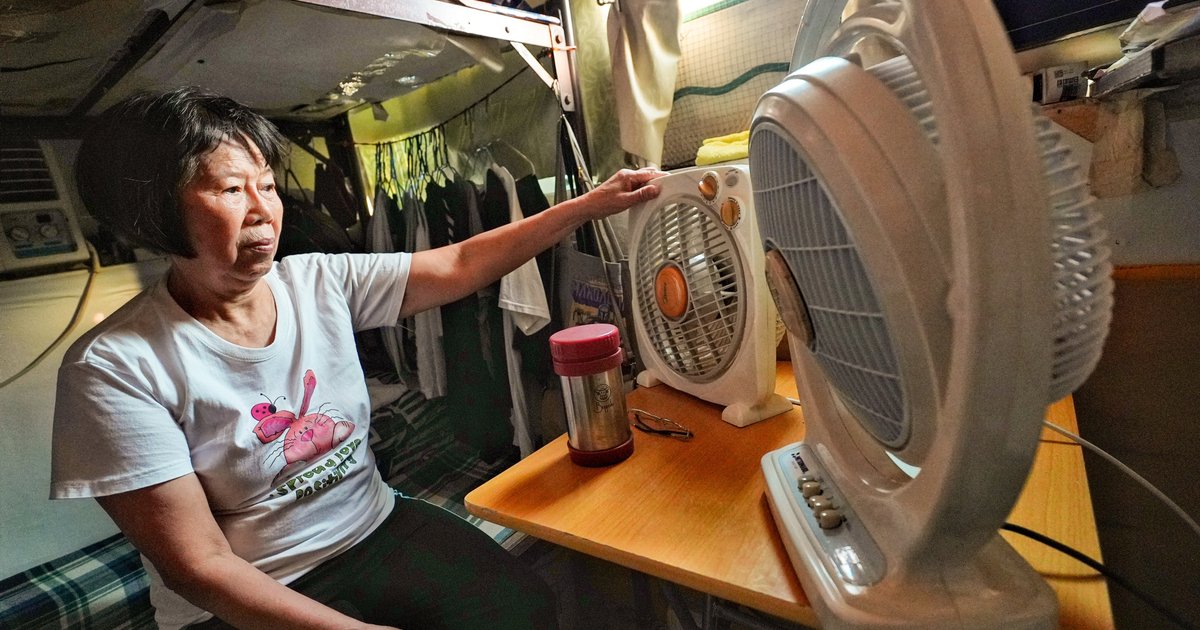
Hong Kong's subdivided flat residents are enduring dangerous heat conditions, with temperatures inside some units exceeding 40 degrees Celsius despite the use of fans and air conditioners. A 68-year-old retiree in Sham Shui Po pays approximately HK$650 monthly for electricity as she struggles to keep her 72-square-foot rooftop home bearable during the heatwave. Welfare advocates are calling for expanded community cooling centres and electricity subsidies as the city experiences ongoing very hot weather warnings.
Key Points
- Yang Fangxin, a 68-year-old retiree living in a 72 sq ft rooftop home on the ninth floor of a 62-year-old building in Sham Shui Po, recorded temperatures above 40 degrees Celsius at around 5pm, compared to 33 degrees at the Hong Kong Observatory's monitoring station
- Despite switching on two fans and an air conditioner, the temperature in Yang's home only dropped to 37.8 degrees, and she now pays about HK$650 (US$83) monthly for electricity
- The city has been under an ongoing very hot weather warning since last Wednesday morning, with temperatures generally reaching 33 degrees
- The government has launched a community living room initiative at the end of 2023, providing communal areas including gathering spaces, pantries and laundries for subdivided flat tenants
- Currently, 15 community living rooms operate citywide, with three more set to be established by the end of this year; Beijing's top official on Hong Kong affairs, Xia Baolong, visited one such facility during a five-day visit in June last year
Why It Matters
The heatwave exposes the vulnerability of Hong Kong's estimated 200,000 subdivided flat residents to extreme weather, highlighting the urgent need for comprehensive policy interventions beyond temporary cooling shelters. As climate change intensifies heat events, the intersection of inadequate housing conditions and energy poverty poses a growing public health challenge for low-income communities in one of the world's most densely populated cities.
The heatwave exposes the vulnerability of Hong Kong's estimated 200,000 subdivided flat residents to extreme weather, highlighting the urgent need for comprehensive policy interventions beyond temporary cooling shelters. As climate change intensifies heat events, the intersection of inadequate housing conditions and energy poverty poses a growing public health challenge for low-income communities in one of the world's most densely populated cities.