China Rejects US Threat of Secondary Tariffs
Crhk · 2 SOURCESabout 2 hours ago2 MIN
Summary
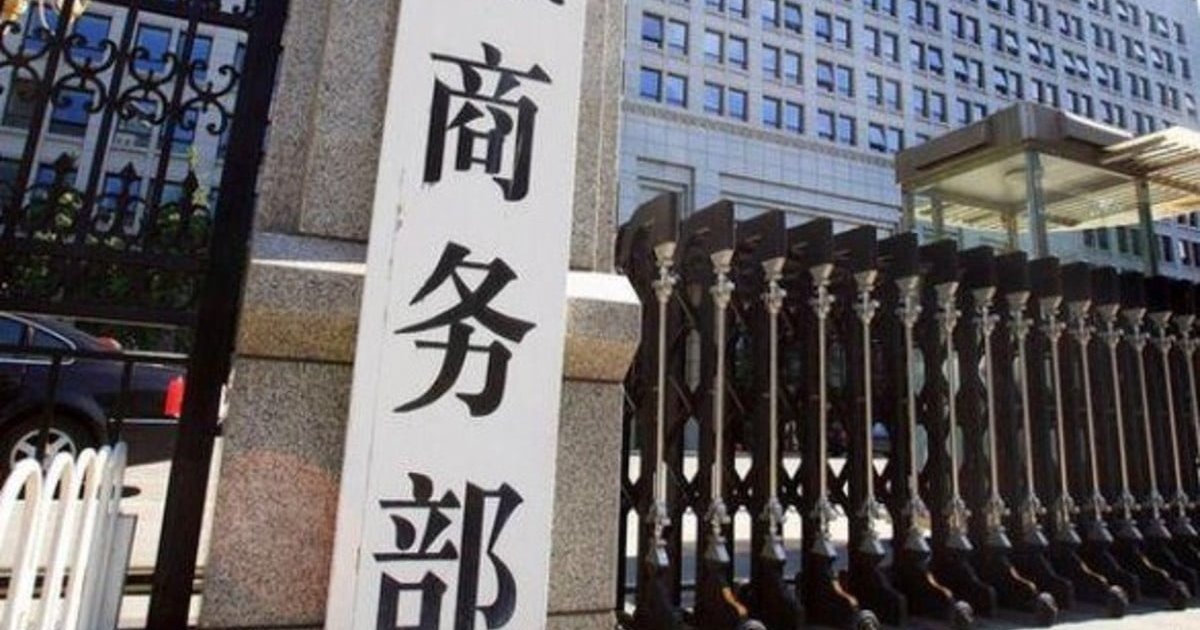
China’s Ministry of Commerce responded after the United States enacted a law that explicitly allows so-called secondary tariffs of up to 100% on third countries importing Russian oil or natural gas. The law was signed by US President Donald Trump and is referred to in CRHK’s report as the Graham sanctions bill on Russia and Iran. In response, Beijing said it has consistently opposed unilateral sanctions lacking United Nations authorization and a basis in international law, as well as measures targeting other countries on the grounds of third-party dealings. The ministry added that it would closely monitor Washington’s follow-up actions and reserved the right to take all necessary measures to protect China’s sovereignty, development interests and the lawful rights of its companies.
Key Points
- US President Donald Trump signed into law a measure that permits secondary tariffs of up to 100% on third countries importing Russian oil or natural gas.
- CRHK said some commentators believe China could become one of the targets of any US tariff action under the new law
- China’s Commerce Ministry said it opposes unilateral sanctions without UN authorization or support under international law, including so-called secondary sanctions involving third countries.
- The ministry said China’s normal economic and trade cooperation with other countries is conducted on the basis of equality and mutual benefit.
- Beijing said such cooperation is not directed at any third party and will not be subject to interference or coercion from any third party.
Why It Matters
For Hong Kong readers and businesses, the dispute points to continued uncertainty in the wider China-US trade environment, especially where energy-linked trade measures could spill over into broader commercial relations. Beijing’s call for dialogue, alongside its warning that it may take necessary countermeasures, suggests the issue could affect business sentiment and supply-chain planning if Washington follows through with enforcement steps.