Hubei woman sues Chongqing internet addiction camp
SingTao · 2 SOURCESabout 2 hours ago5 MIN
Summary
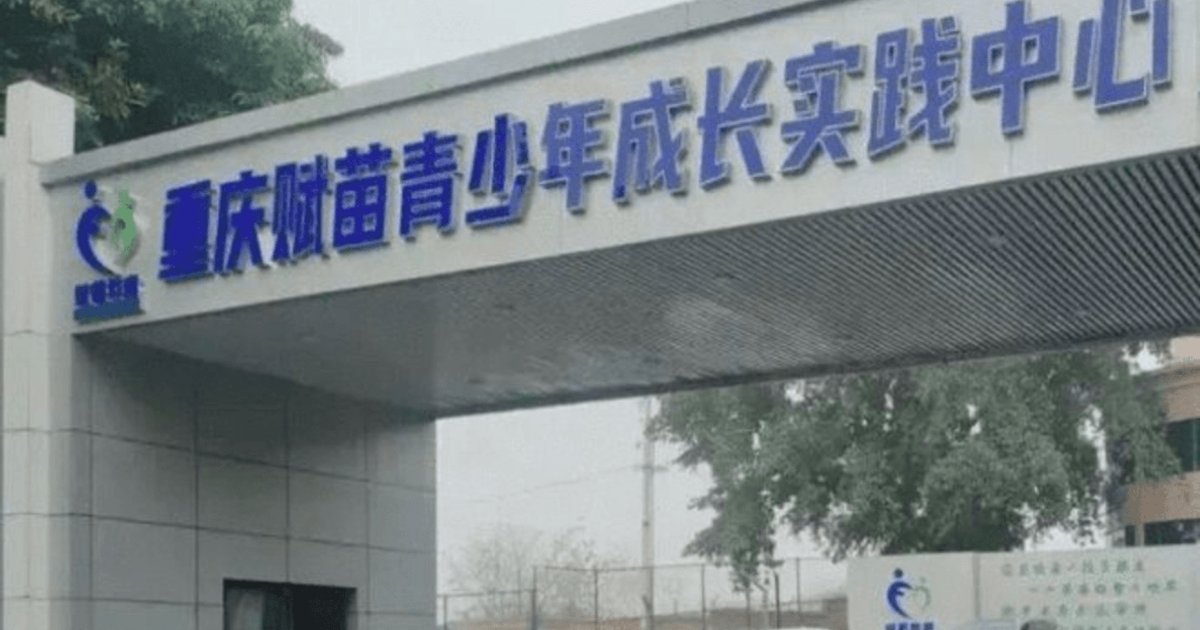
A 31-year-old office worker from Xiangyang, Hubei, has brought a civil claim against a Chongqing institution that promoted itself as treating internet addiction and correcting behaviour after alleging she was forcibly taken from home and confined for 159 days. The woman, identified as Fu Jing (付婧), said four men pried open a window at her home in the early hours of October 14, 2025 and took her to a training base in Jiangjin district, Chongqing, after her father paid about 46,500 yuan in fees and travel costs for a four-month programme. She said she was force-fed glucose water after trying to go on hunger strike and was later beaten by an instructor over a meal dispute. The case was heard at the Jiangjin District People’s Court on October 10, with no verdict announced that day, while police had already imposed an administrative penalty on the instructor and later opened a criminal investigation.
Key Points
- Fu Jing, a university graduate working as an office clerk in Xiangyang and part-time game companion, was 31 when the incident happened.
- Her father believed she was addicted to online games, paid 42,000 yuan in tuition and 4,500 yuan in travel costs, and arranged four months of “treatment”.
- Fu said four men claiming to be from a technical college arrived at 2am, pried open a window, and took her overnight to Chongqing
- During confinement, she said instructors forced open her mouth to pour in glucose water and later beat her after she refused cold food.
- Jiangjin police gave instructor Li an administrative detention of seven days and a 500-yuan fine in June, then opened a criminal case in August.
Why It Matters
The case adds to scrutiny of so-called internet addiction correction camps that target both minors and adults, especially where families pay private operators to impose closed management without clear legal safeguards. For Hong Kong readers, it is a reminder that cross-border “behaviour correction” or “rehabilitation” services marketed to families may operate without recognised education licences or adequate oversight.