North Korean Soldiers Cross Border Over 20 Times in One Month
SingTao · 3 SOURCESabout 4 hours ago2 MIN
Summary
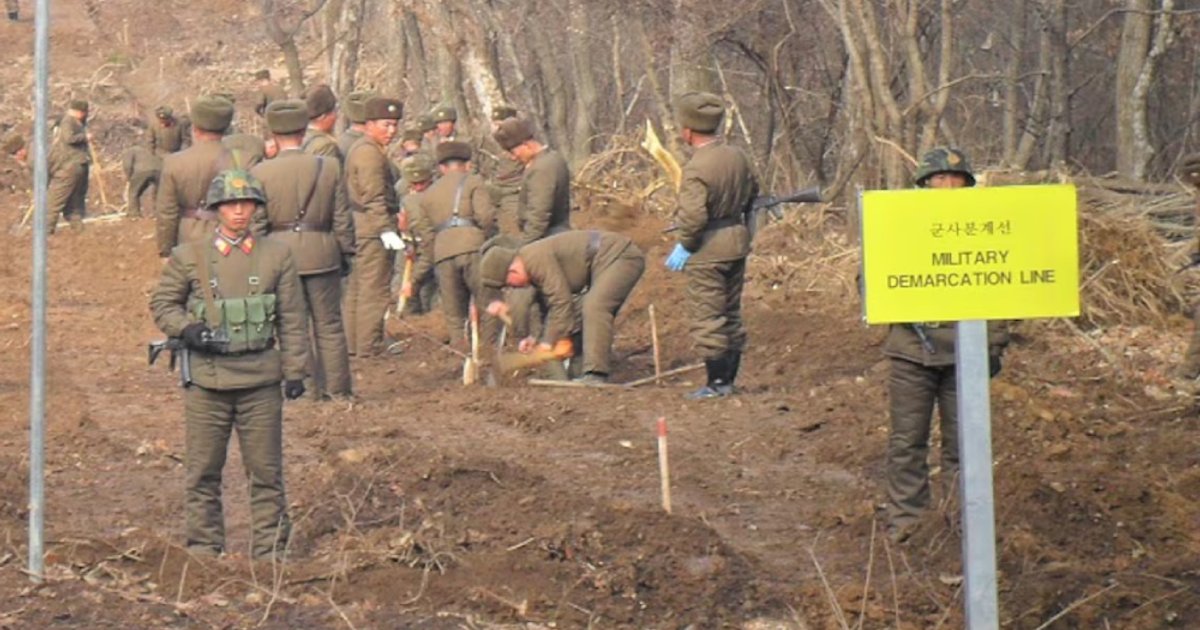
South Korea's military announced on Wednesday (September 9) that North Korean soldiers crossed the inter-Korean Military Demarcation Line (MDL) more than 20 times in the past month, surpassing the 17 crossings recorded throughout all of last year. The incursions, which began in mid-August along the eastern front, have prompted South Korean forces to repeatedly issue warning broadcasts and fire warning shots to expel the trespassers. Seoul has formally requested the United Nations Command investigate whether these repeated violations breach the 1953 Korean Armistice Agreement .
Key Points
- South Korea's Joint Chiefs of Staff confirmed that North Korean soldiers crossed the MDL over 20 times within one month, exceeding last year's annual total of 17 crossings .
- The first incident this year occurred in mid-August on the eastern front, with similar incursions continuing since then, concentrated in the eastern sector .
- South Korean forces responded according to rules of engagement, first issuing warning broadcasts, then firing warning shots when soldiers refused to retreat .
- The Joint Chiefs of Staff assessed that the crossings are linked to North Korea's resumption of defensive construction and tree-clearing operations along the border, not due to special military intentions .
- Seoul has formally requested the UN Command investigate whether the crossings violate the Armistice Agreement and address potential risks from differing MDL baseline interpretations .
Why It Matters
The surge in North Korean border crossings, while assessed as construction-related rather than strategically motivated, still poses risks of accidental escalation along one of the world's most heavily militarized borders. Seoul's formal request for UN Command involvement highlights the delicate diplomatic mechanisms still in place nearly seven decades after the Korean War ended in armistice rather than a formal peace treaty .
The surge in North Korean border crossings, while assessed as construction-related rather than strategically motivated, still poses risks of accidental escalation along one of the world's most heavily militarized borders. Seoul's formal request for UN Command involvement highlights the delicate diplomatic mechanisms still in place nearly seven decades after the Korean War ended in armistice rather than a formal peace treaty .