Tseung Kwan O Cross Bay Link makes ICE landmark list
Bastillepost · 2 SOURCESabout 4 hours ago2 MIN
Summary
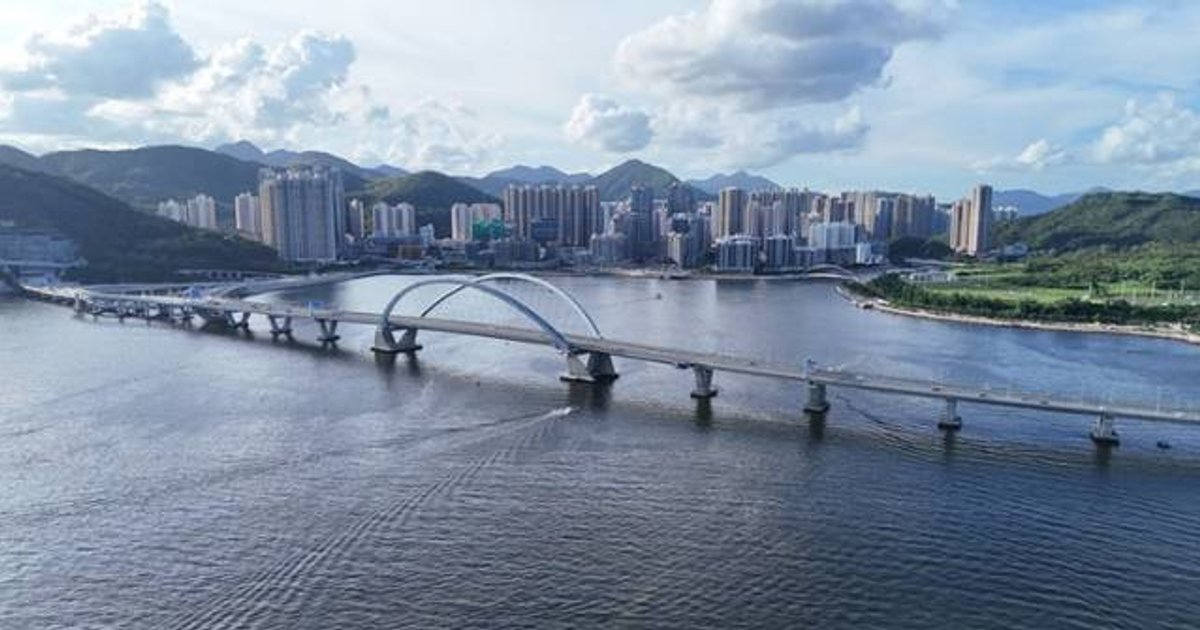
Hong Kong’s Civil Engineering and Development Department said the Tseung Kwan O Cross Bay Link has been selected by the UK-based Institution of Civil Engineers, or ICE, for a global list of 13 iconic civil engineering landmarks and travel destinations. The bridge was listed alongside internationally known sites including the Eiffel Tower in Paris, the Burj Khalifa in Dubai and Machu Picchu in Cusco, Peru. According to the department, ICE highlighted three main features of the project: its green and innovative design, its combined transport and leisure functions, and its scenic viewing value from the Tseung Kwan O South waterfront promenade. The department added that the bridge has already received several awards since completion, including the ICE Hong Kong Association public-voted top honour for Hong Kong’s most popular infrastructure project of the past quarter-century.
Key Points
- The Civil Engineering and Development Department announced on Saturday that its Cross Bay Link team was included in ICE’s latest article on 13 iconic engineering landmarks worldwide.
- ICE’s list placed the Tseung Kwan O bridge alongside the Eiffel Tower, Burj Khalifa and Machu Picchu as notable engineering travel destinations.
- The 1.8-kilometre bridge spans Tseung Kwan O Bay and combines a carriageway, footpath and cycle track in one structure.
- The department said the project won the ICE Brunel Medal after using high-strength steel and forward-looking design to reduce carbon emissions.
- ICE also recommended the Tseung Kwan O South waterfront promenade as a viewing point for the bridge’s twin steel arches forming an infinity symbol.
Why It Matters
The recognition gives Hong Kong a fresh international showcase for a recent public works project, not only as transport infrastructure but also as a visitor attraction. For local residents, it reinforces the bridge’s role as both a daily commuting link and a leisure space that supports walking and cycling around Tseung Kwan O Bay. The department’s emphasis on lower-carbon construction also adds weight to the case for sustainable design in future Hong Kong infrastructure projects.