Qin Dynasty Royal Tomb Discovered in Shaanxi Believed to Be Grandmother of First Emperor
On.cc · 2 SOURCESabout 3 hours ago5 MIN
Summary
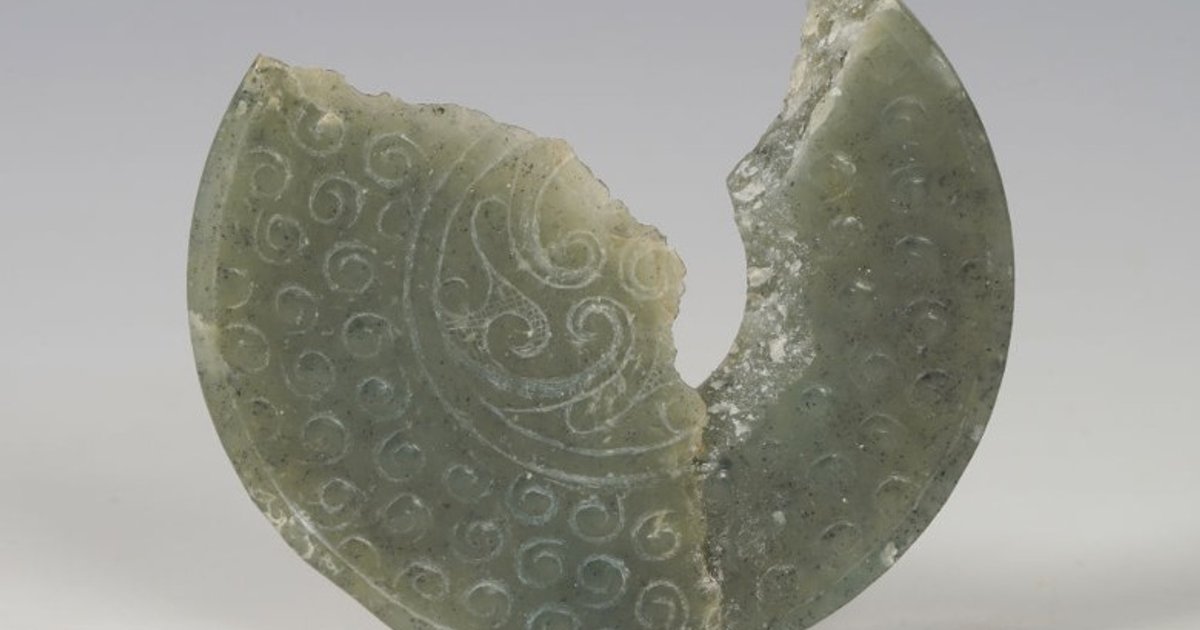
Archaeologists from the Shaanxi Provincial Institute of Archaeology announced on Friday (September 18, 2026) the discovery of a Qin royal mausoleum in Xianyang, with initial findings indicating the tomb belonged to Lady Huayang (華陽太后), the adoptive grandmother of Qin Shi Huang, China's first emperor. The excavation at the Shangzhao Yao Qin Ling site has produced 258 artifacts spanning pottery, bronze, iron, lead, jade, and stone materials. This marks the fourth Qin mausoleum identified on the historic Xianyang Plateau, where multiple royal burial complexes were established during the Warring States period.
Key Points
- The Shangzhao Yao Qin Ling mausoleum features a square-shaped enclosure with a "rectangular courtyard" layout, with the main burial mound constructed in the traditional trapezoidal form characteristic of high-ranking officials and royalty .
- Beneath the mound lies a cruciform tomb with the eastern passage serving as the primary entrance, a design reflecting the hierarchy of Qin royal burial customs .
- Among the 258 recovered artifacts, pottery vessels dominate the assemblage, including ding tripods, food containers, wine jars, water vessels, and basins in grey earthenware .
- A notable bronze ding (鼎) bearing the inscription "clan Sung" was among the metal objects recovered, suggesting connections to noble families of the period .
- Carbon-14 analysis of human remains from the tomb's secondary burial chamber dated the site to between 389 BCE and 208 BCE, confirming its late Warring States period origin .
Why It Matters
This discovery provides tangible evidence for understanding the burial practices and social structures of the late Qin Kingdom, a crucial period immediately preceding China's unification under Emperor Qin Shi Huang. The excavation not only confirms historical records mentioning Lady Huayang's significance but also enriches scholarly understanding of how royal women were integrated into Qin state rituals and dynastic legitimacy narratives .
This discovery provides tangible evidence for understanding the burial practices and social structures of the late Qin Kingdom, a crucial period immediately preceding China's unification under Emperor Qin Shi Huang. The excavation not only confirms historical records mentioning Lady Huayang's significance but also enriches scholarly understanding of how royal women were integrated into Qin state rituals and dynastic legitimacy narratives .