China's Hidden Triangular Treasures: From Desert Pyramids to Coastal Sea Stacks
AM730 · 1 SOURCESabout 2 hours ago2 MIN
Summary
China's vast territory contains numerous distinctive triangular landscapes, ranging from natural landforms carved by millions of years of erosion to man-made structures designed with geometric precision. These geometrically striking vistas not only offer unique aesthetic appeal but also encapsulate regional histories and cultural significance.
Key Points
- The Western Xia Mausoleums sit at the eastern foot of Helan Mountain in Yinchuan, Ningxia, featuring pyramid-like mausoleum towers constructed with rammed earth that form triangular profiles resembling "Oriental Pyramids"
- The 108 Pagodas in Qingtongxia, Ningxia, constitute China's largest existing Buddhist pagoda cluster, arranged on Yellow River cliffs in a precise isosceles triangle formation, with each pagoda representing one of 108 Buddhist worries
- The triangular peak clusters in Anlong County, Guizhou, represent typical karst landscape formations created through millions of years of water dissolution and weathering, earning the nickname "Anlong Pyramids"
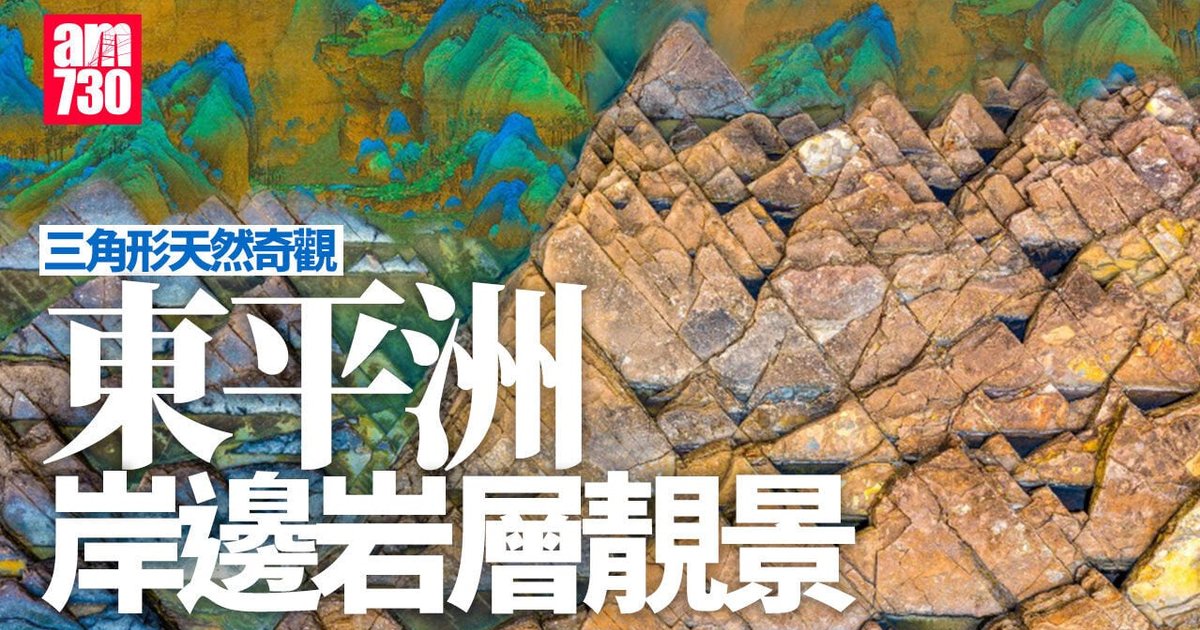
- Dongpingzhou, Hong Kong's northeasternmost island in the Tai Po District, features sea erosion formations where layered sedimentary rocks have created countless triangular sea stacks resembling a real-life "A Thousand Li of Rivers and Mountains" painting
- Pula Xiqiong in Nagqu, Tibet, rises as a sacred mountain with a distinctive triangular silhouette—narrow at the top, wide at the base—standing prominently on the vast northern Tibetan Plateau
Why It Matters
These triangular wonders demonstrate how simple geometric forms can bridge natural and cultural landscapes, offering insights into how ancient civilizations like the Tangut people incorporated symbolic shapes into architectural design while natural processes continue to sculpt equally remarkable formations across China's diverse terrain .
These triangular wonders demonstrate how simple geometric forms can bridge natural and cultural landscapes, offering insights into how ancient civilizations like the Tangut people incorporated symbolic shapes into architectural design while natural processes continue to sculpt equally remarkable formations across China's diverse terrain .