Northern Metropolis Sparks Debate Over Outdated Development Model
HK01 · 1 SOURCES1 day ago3 MIN
Summary
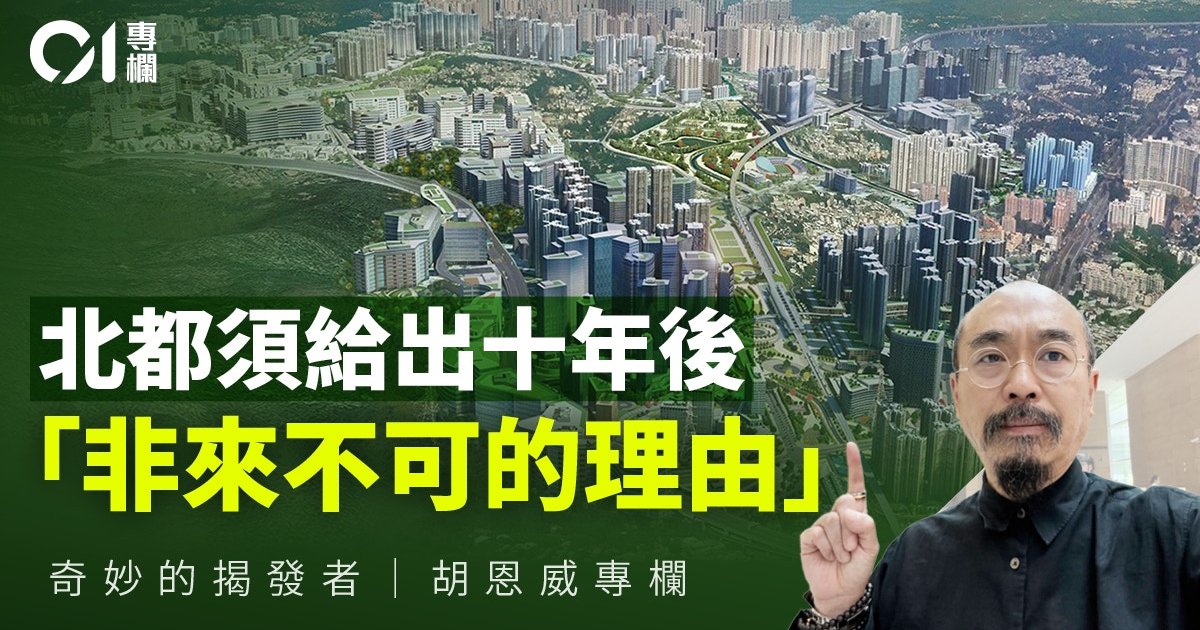
This commentary by Wu En-wei examines whether Hong Kong's Northern Metropolis development risks perpetuating the same patterns that have historically turned industrial parks into mere real estate ventures. The phrase "the same pond water rolling in circles, grandpa dividing the pork" captures the core concern: without changing the underlying approach, progress will only produce the same limited results at a larger scale. The analysis acknowledges genuine progress—including over 520 hectares of land reclaimed and the first plot development pilot awarded to a consortium including China Overseas, China Merchants Land, China Resources Land, China Travel Service, JD.com, and Sun Hung Kai—but argues that accelerated progress does not automatically mean model breakthrough. Without first establishing irreplaceable functions and clearing regulatory pathways, the Northern Metropolis may simply become larger "fragmented land" rather than a genuine metropolitan area.
Key Points
- The Northern Metropolis covers one-third of Hong Kong's total land area, planned to accommodate 2.5 million residents and create 650,000 jobs
- Four new development areas are under construction with over 520 hectares of land reclaimed; the Northern Metropolis Development Ordinance aims to streamline planning processes
- The Hung Shui Kiu pilot plot was awarded to a six-member consortium for HK$1.03 billion, with JD.com serving as the anchor smart logistics tenant and approximately 3,000 residential units included
- Sha Ling Data Park was awarded to the Runan system with a committed investment of HK$23.8 billion to significantly boost Hong Kong's computing power
- University Town land has been expanded from approximately 60 hectares to 300 hectares, with 19 university expressions of interest received and the non-local student quota raised to 50 percent
Why It Matters
The Northern Metropolis represents Hong Kong's largest infrastructure bet in decades, and the decisions made about its development model will shape the city's economic trajectory for generations. If the territory simply replicates its traditional land-sale-plus-real-estate approach at a larger scale, it risks missing a generational opportunity to develop genuine industrial ecosystems that could complement rather than compete with the Pearl River Delta. The alternative—establishing clear functional roles in financial services, technology, or creative industries before building—requires political courage to break from established practices that have served the real estate sector but not necessarily Hong Kong's long-term competitiveness.
The Northern Metropolis represents Hong Kong's largest infrastructure bet in decades, and the decisions made about its development model will shape the city's economic trajectory for generations. If the territory simply replicates its traditional land-sale-plus-real-estate approach at a larger scale, it risks missing a generational opportunity to develop genuine industrial ecosystems that could complement rather than compete with the Pearl River Delta. The alternative—establishing clear functional roles in financial services, technology, or creative industries before building—requires political courage to break from established practices that have served the real estate sector but not necessarily Hong Kong's long-term competitiveness.