Civil Group Urges Banks, Government to Stabilize Hong Kong Shop Market in Crisis
AM730 · 1 SOURCESabout 2 hours ago2 MIN
Summary
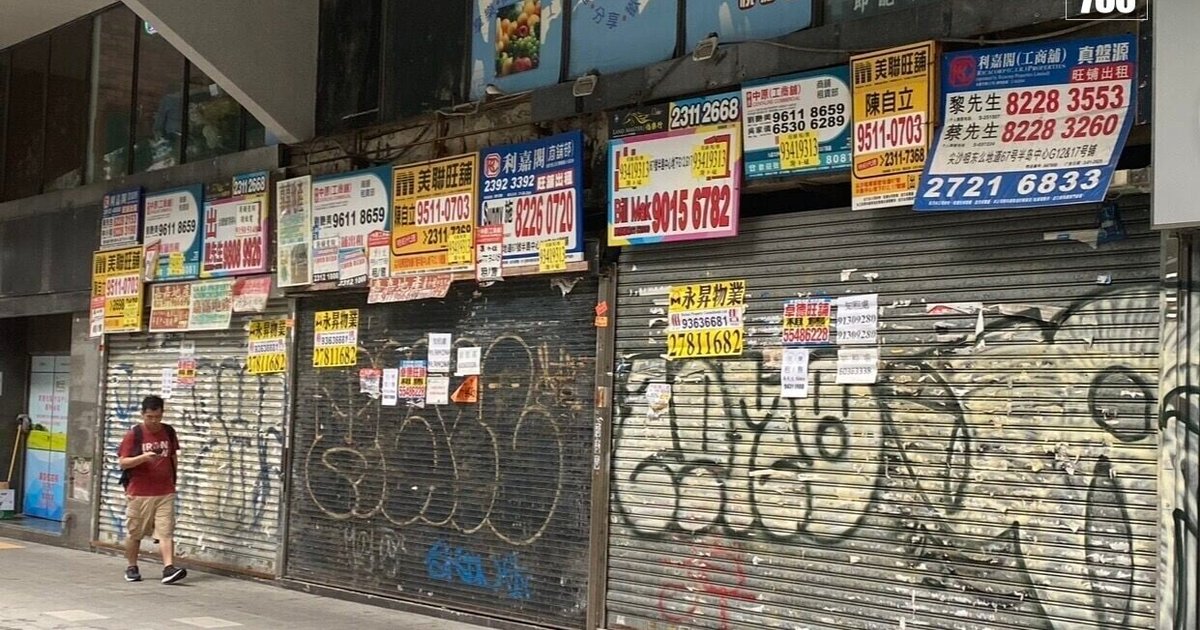
Hong Kong's commercial property market faces severe structural imbalance with shop prices plummeting over 40 percent from their 2018 peak and vacancy rates soaring to a 40-year high of 12.5 percent. Civil group Power 107 convened a forum on Monday gathering industry leaders and experts who called on banks and the government to moderately relax commercial mortgage rules to break the market deadlock. The group has proposed a four-point policy framework emphasizing reduced taxation, streamlined administration, prudent public spending, and respect for private property rights.
Key Points
- Civil group Power 107 organized the "Shop Market Plunge Chain Effect Bitter Water Forum" on September 7, 2026, bringing together over a dozen industry leaders and academics
- Hong Kong shop prices have fallen more than 40 percent from their 2018 peak, with vacancy rates reaching 12.5 percent, the highest in four decades
- He Minjie, convener of Power 107, warned that falling asset prices rapidly evaporate usable capital, suppressing investment and consumption
- Banks are simultaneously pressuring owners to reduce prices to repay loans while refusing to approve mortgages for new buyers, creating a vicious downward spiral
- The four strategies include: relaxing commercial mortgage rules, optimizing tax policy, establishing closed-loop mechanisms for mainland capital, and encouraging rational bank valuations
Why It Matters
The collapse of Hong Kong's shop market threatens widespread business failures, rising unemployment, and erosion of the city's vibrancy as a commercial hub. If approved, the proposed measures could unlock frozen transactions, enable new owners to accept market-rate rents, and restore storefront activity across affected districts .
The collapse of Hong Kong's shop market threatens widespread business failures, rising unemployment, and erosion of the city's vibrancy as a commercial hub. If approved, the proposed measures could unlock frozen transactions, enable new owners to accept market-rate rents, and restore storefront activity across affected districts .