Amazon Cargo Plane Crashes at Miami Airport, Killing at Least 5, Injuring 5
Bastillepost · 2 SOURCESabout 2 hours ago2 MIN
Summary
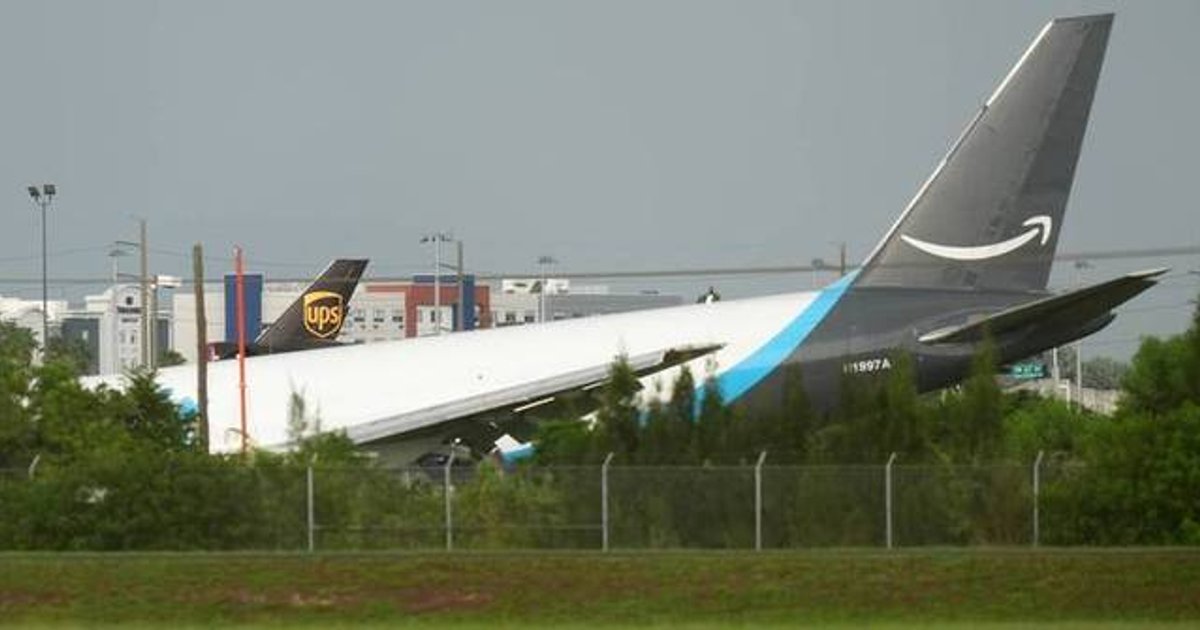
An Amazon Prime Air cargo aircraft veered off the runway upon landing at Miami International Airport on Sunday afternoon, striking multiple ground vehicles and igniting into flames, resulting in at least five fatalities and five injuries. The Boeing 767-300, operated by cargo airline 21 Air on behalf of Amazon, had arrived from San Juan, Puerto Rico, before crashing around 2 PM local time. Rescue teams freed trapped survivors including the pilot and co-pilot, while more than 200 emergency personnel responded to the scene where fuel continued to leak hours after the crash. The incident caused widespread disruption at the busy aviation hub, with most afternoon flights cancelled and about 250 departures delayed .
Key Points
- The aircraft involved was Prime Air Flight 7598, a Boeing 767-300 operated by 21 Air under contract to Amazon
- The 32-year-old plane originated as a passenger aircraft and was converted to cargo configuration in 2015
- Miami-Dade Fire Chief Ray Jadallah reported that at least two victims remained trapped in vehicles while the pilot and co-pilot were confined in the cockpit
- The National Transportation Safety Board deployed an investigation team led by Chair Jennifer Homendy to the crash site
- This marks the second fatal accident involving an Amazon Prime Air-operated aircraft, following the 2019 crash of Atlas Air Flight 3591 in Texas that killed all three crew members
Why It Matters
The crash highlights persistent safety concerns surrounding aging converted cargo aircraft and raises questions about ground vehicle operations near active runways at major airports. With Amazon's air freight network expanding globally and similar cargo operations serving Hong Kong through operators like UPS and DHL, this accident may prompt intensified regulatory scrutiny of cargo airline safety protocols and runway safety zones worldwide .
The crash highlights persistent safety concerns surrounding aging converted cargo aircraft and raises questions about ground vehicle operations near active runways at major airports. With Amazon's air freight network expanding globally and similar cargo operations serving Hong Kong through operators like UPS and DHL, this accident may prompt intensified regulatory scrutiny of cargo airline safety protocols and runway safety zones worldwide .