Stomach Cancer Warning: Half of HK Patients Diagnosed Too Late, Doctors Urge Vigilance
On.cc · 2 SOURCESabout 3 hours ago5 MIN
Summary
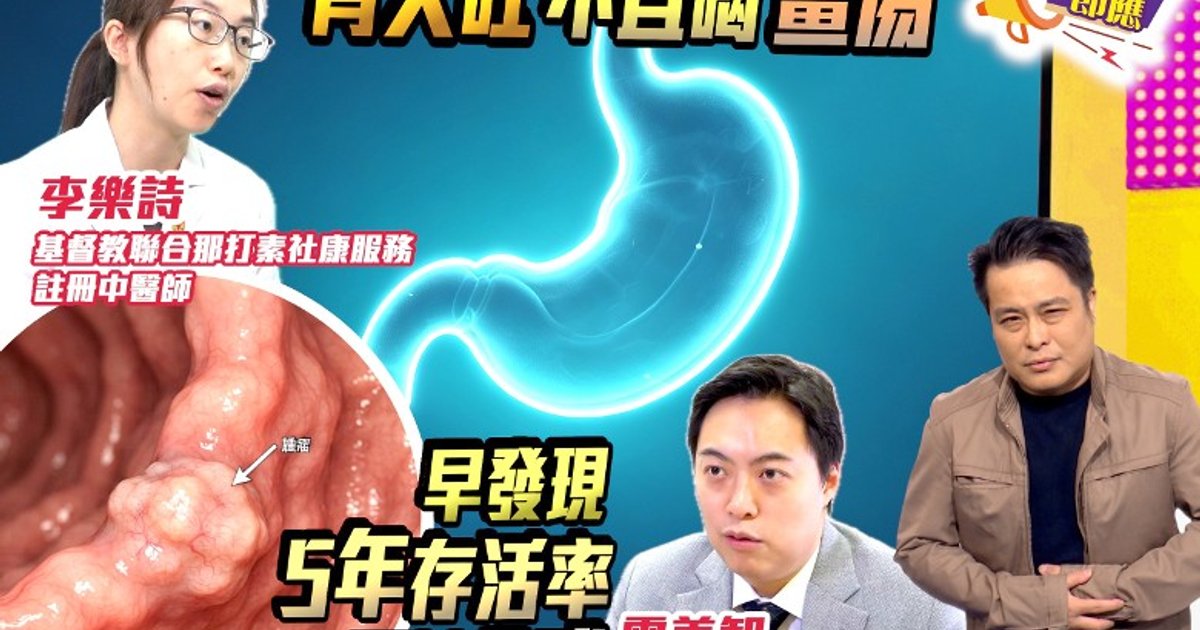
The passing of veteran Hong Kong actor Ray Yu-yang (雷宇揚), aged 62, from recurring stomach cancer in Guangzhou this September has cast a spotlight on what doctors call a "silent killer." Clinical oncologists have revealed that stomach cancer is Hong Kong's sixth most fatal cancer, responsible for more than 600 deaths each year. The disease earns its deadly reputation from its stealthy early symptoms, with over half of patients diagnosed only when the cancer has reached stage three or four.
Key Points
- Stomach cancer ranks as Hong Kong's sixth deadliest cancer, causing over 600 deaths annually in the city
- More than half of patients discover their condition at stage three or four, when treatment options become severely limited
- If caught at stage one, the five-year survival rate can exceed 90 percent, but drops to below 10 percent at stage four
- Warning signs include feeling full after eating only small amounts, unexplained weight loss, and black tarry stools indicating internal bleeding
- Helicobacter pylori, classified by the World Health Organization as a Group 1 carcinogen, infects over half of Hong Kong's population and increases cancer risk by two to six times
Why It Matters
The widespread prevalence of Helicobacter pylori in Hong Kong, combined with cultural dining practices like sharing dishes without serving utensils and elders pre-chewing food for children, creates conditions for easy bacterial transmission . Early symptoms easily mistaken for common stomach complaints mean many residents delay seeking medical evaluation, allowing treatable cancers to progress to untreatable stages . The stark survival rate difference between early and late detection underscores the critical importance of public awareness and timely endoscopy for persistent gastrointestinal symptoms.
The widespread prevalence of Helicobacter pylori in Hong Kong, combined with cultural dining practices like sharing dishes without serving utensils and elders pre-chewing food for children, creates conditions for easy bacterial transmission . Early symptoms easily mistaken for common stomach complaints mean many residents delay seeking medical evaluation, allowing treatable cancers to progress to untreatable stages . The stark survival rate difference between early and late detection underscores the critical importance of public awareness and timely endoscopy for persistent gastrointestinal symptoms.