Housing prices surge near new Huanggang Port as buyers eye 'dual-city' lifestyle
SCMP · 1 SOURCESabout 2 hours ago2 MIN
Summary
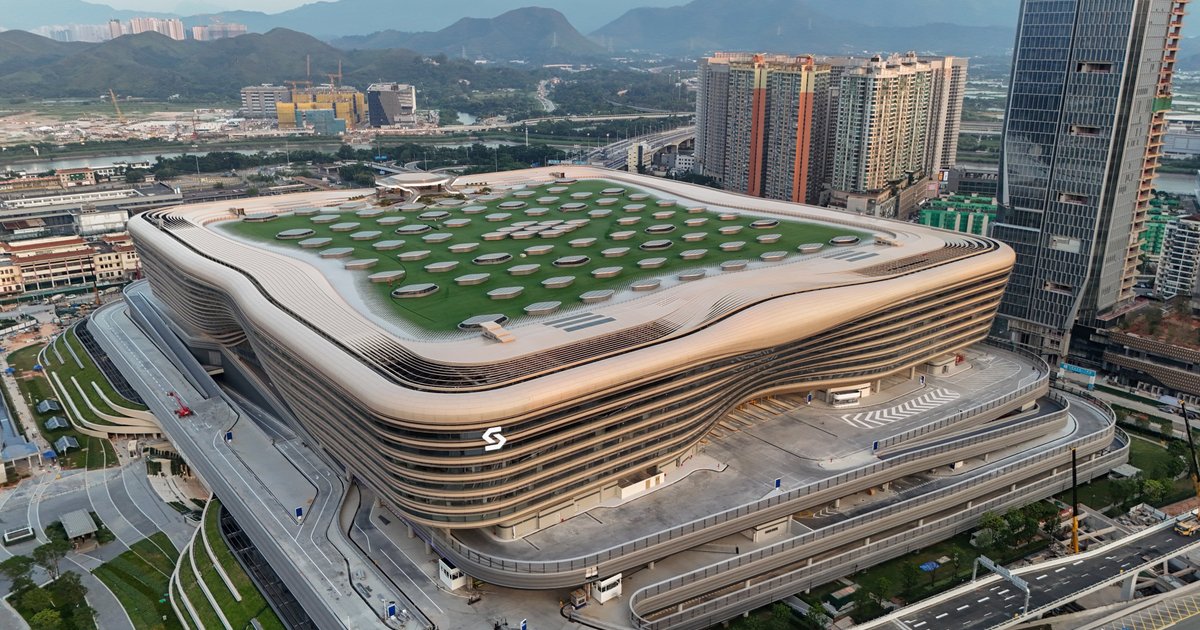
Property prices near the new Huanggang Port are already climbing sharply months before the border crossing opens, as buyers flock to the prospect of a dual-city lifestyle spanning Shenzhen and Hong Kong. The facility, set to begin operations before the end of the year, promises to transform cross-border travel with its innovative clearance model that could slash crossing times dramatically.
Key Points
- New Huanggang Port located in Shenzhen's Futian district, directly opposite Hong Kong's Lok Ma Chau control point
- Facility to feature 24-hour operations with co-location arrangement and joint inspection clearance model
- Expected to reduce border crossing times from 30 minutes to approximately five minutes
- Year-to-date residential transaction volume in Huanggang area up 50 percent compared to same period last year
- Average transaction price for second-hand properties rose 5.6 percent in first half of 2026, outpacing Shenzhen's 3.7 percent overall growth
- Henry Chung, senior managing director at Midland Realty, describes area as creating a half-hour living circle between the two cities
- Rents in Huangyuyuan estate have risen by nearly 20 percent, especially after Hong Kong-side port area opened in late July 2026
Why It Matters
The surge in housing demand near Huanggang Port signals a fundamental shift in how residents view the Shenzhen-Hong Kong boundary, with the proposed half-hour living circle potentially reshaping commuting patterns and real estate valuations across the region. Henry Chung noted that rising demand spans students, professionals, retirees, and scientific research personnel from Hong Kong, suggesting the border opening could drive sustained demographic and economic integration between the two cities .
The surge in housing demand near Huanggang Port signals a fundamental shift in how residents view the Shenzhen-Hong Kong boundary, with the proposed half-hour living circle potentially reshaping commuting patterns and real estate valuations across the region. Henry Chung noted that rising demand spans students, professionals, retirees, and scientific research personnel from Hong Kong, suggesting the border opening could drive sustained demographic and economic integration between the two cities .