USS Abraham Lincoln Docks in Thailand After Record 286-Day Deployment
Thestandard · 2 SOURCESabout 2 hours ago2 MIN
Summary
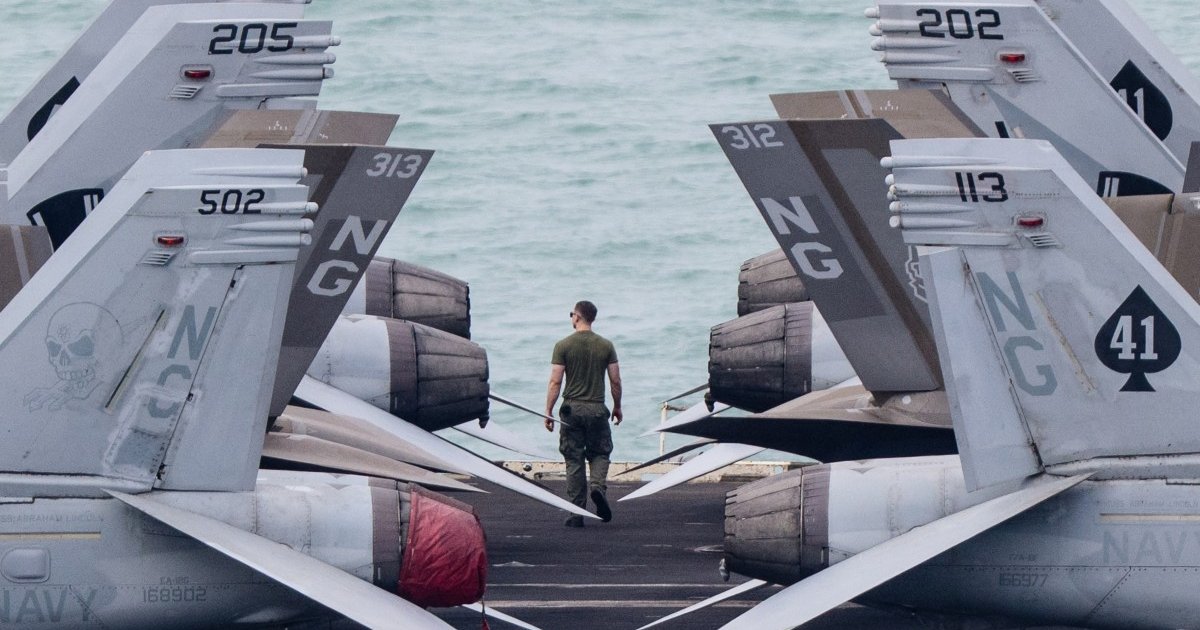
The USS Abraham Lincoln (CVN-72) anchored at Laem Chabang Port on September 2, 2026, marking the end of a record-setting 286-day deployment that included 264 consecutive days at sea—the longest uninterrupted deployment in recent memory . The nuclear-powered aircraft carrier, which has been supporting the United States' military campaign against Iran under President Donald Trump's administration, brought roughly 5,000 sailors and Marines to Thailand for a five-day rest and recreation period .
Local businesses in nearby Pattaya are anticipating a significant economic boost from the influx of American service members, with vendors and travel agents gathering at the Hard Rock Hotel as the designated transportation hub for troops arriving from the carrier . The mood among sailors was upbeat as they disembarked, eager to explore the seaside resort city after months of challenging conditions at sea.
Key Points
- The USS Abraham Lincoln completed a 286-day deployment with 264 consecutive days at sea, supporting U.S. military operations in the Middle East
- Approximately 5,000 sailors and Marines arrived at Laem Chabang Port on September 2, with buses transporting them to Pattaya
- The five-day port call marks the crew's first shore leave in nine months, expected to conclude this weekend
- Thailand authorities barred sailors from Pattaya's red-light district, prohibited water sports, and enforced cannabis restrictions
- Concerns over crew mental health and food supply shortages during the deployment drew public attention last month
Why It Matters
The Lincoln's extended deployment highlights the strain on U.S. military personnel during ongoing Middle East operations, with President Trump publicly stating the mission was "not nearly long enough" despite documented concerns about crew welfare . For Hong Kong, the presence of a major U.S. carrier strike group in the region underscores the continued American military footprint in the Indo-Pacific, a factor that directly impacts regional security dynamics and Hong Kong's strategic position as a frequent port for U.S. naval vessels .
The Lincoln's extended deployment highlights the strain on U.S. military personnel during ongoing Middle East operations, with President Trump publicly stating the mission was "not nearly long enough" despite documented concerns about crew welfare . For Hong Kong, the presence of a major U.S. carrier strike group in the region underscores the continued American military footprint in the Indo-Pacific, a factor that directly impacts regional security dynamics and Hong Kong's strategic position as a frequent port for U.S. naval vessels .