Ramen Jiro Kyoto Branch Imposes 15-Minute Time Limit After Customers Vomit From Overeating
AM730 · 2 SOURCES1 day ago3 MIN
Summary
The Kyoto branch of Ramen Jiro, a renowned Japanese ramen chain celebrated for its massive portions, has introduced a 15-minute eating limit for its large bowl ramen after a customer vomited outside the establishment. The incident occurred when a student spent over 40 minutes attempting to finish a large bowl ramen the previous day, ultimately becoming ill in the street. Following neighborhood complaints about sanitation, the restaurant reviewed CCTV footage, identified the customer, and announced enhanced safety measures. The shop stated it will proactively intervene if diners display signs of distress such as frequent bathroom visits, pallor, or covering their mouths, and will refuse service to those unable to complete the meal within the time limit.
Key Points
- Ramen Jiro Kyoto posted on social media on September 4, 2026, disclosing it had reviewed CCTV footage identifying a young student who vomited outside the shop after taking 40 minutes to finish a large bowl ramen
- The restaurant admitted that because the shop was not busy at the time, staff had allowed the student to "violate" the standard 15-minute rule, which led to the incident, expressing regret over this oversight
- Under the new policy, the 15-minute time limit will be displayed on self-ordering machines, and staff may verbally confirm with customers before preparing their meal whether they can finish within the allotted time
- If employees observe customers making frequent trips to the restroom, appearing pale, or covering their mouths, the shop will immediately ask them to stop eating and leave for their safety
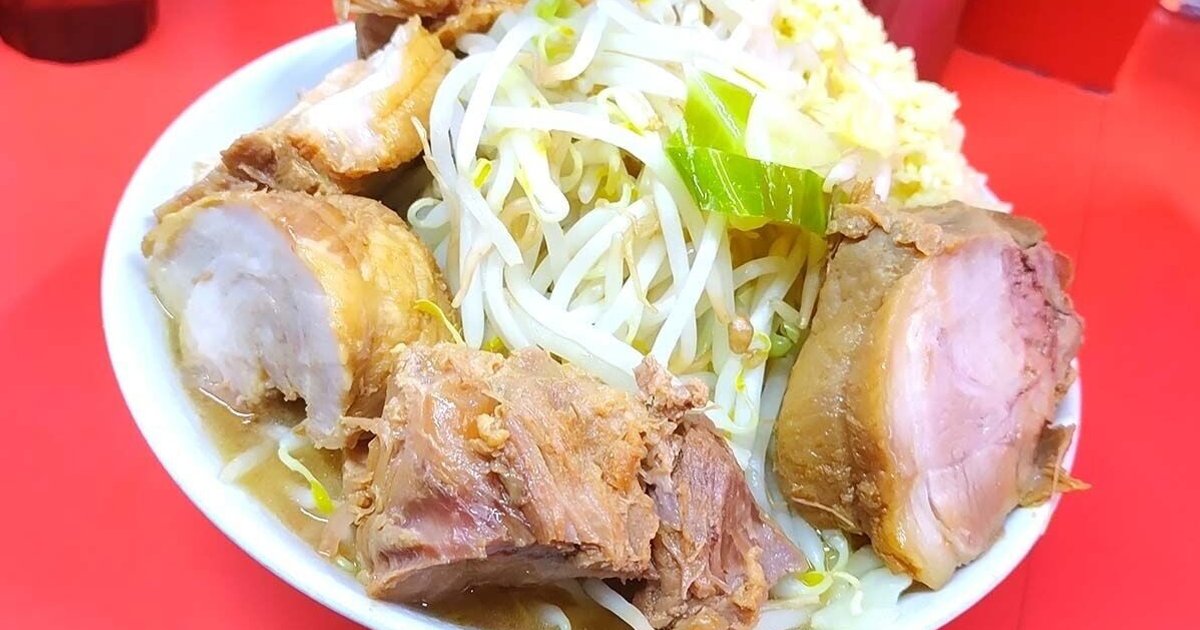
- According to a blogger who visited the Kyoto location, even a medium-sized portion at Ramen Jiro is approximately three times the normal serving size at other ramen establishments, with oversized bean sprouts and thick-cut pork chunks
Why It Matters
The incident highlights the tension between viral food challenges and dining safety, as restaurants with extreme portion sizes become destinations for social media content at the potential expense of customer wellbeing. This case may prompt other establishments known for oversized dishes to review their own customer welfare policies, particularly regarding how to discourage dangerous overconsumption without spoiling the dining experience. For Hong Kong diners who frequently travel to Japan for culinary adventures, the incident serves as a cautionary reminder that "all-you-can-eat" challenges at renowned establishments carry real health risks when participants underestimate their limits.
The incident highlights the tension between viral food challenges and dining safety, as restaurants with extreme portion sizes become destinations for social media content at the potential expense of customer wellbeing. This case may prompt other establishments known for oversized dishes to review their own customer welfare policies, particularly regarding how to discourage dangerous overconsumption without spoiling the dining experience. For Hong Kong diners who frequently travel to Japan for culinary adventures, the incident serves as a cautionary reminder that "all-you-can-eat" challenges at renowned establishments carry real health risks when participants underestimate their limits.