UN court finds Myanmar guilty of Rohingya genocide
Bbc · 4 SOURCES1 day ago2 MIN
Summary
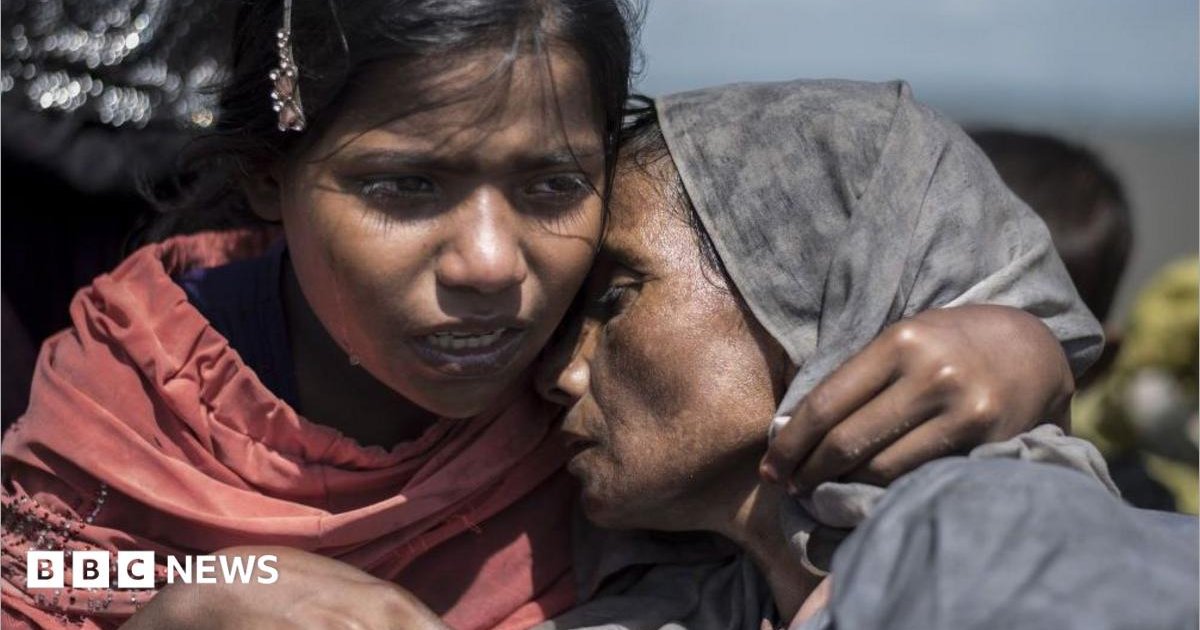
The International Court of Justice has found Myanmar guilty of committing genocide against its Rohingya minority, in a ruling delivered seven years after The Gambia filed the case. The court said Myanmar had the intention to destroy a substantial part of the Rohingya population and had engaged in extensive destruction of evidence. The judgment is historically significant because it is the first time an international court has found a state responsible for genocide under the 1948 Genocide Convention. Rohingya refugees in Cox's Bazar, Bangladesh, watched the verdict live and many celebrated the decision as long-awaited recognition of their suffering.
Key Points
- The ICJ ruling was decided by a nine-to-six majority, with judges finding genocidal intent was the only reasonable inference from the evidence presented.
- The case was brought by The Gambia in 2019, focusing on Myanmar's 2017 “clearance operations” in northern Rakhine State against Rohingya Muslims.
- Judge Yuji Iwasawa said Myanmar's security forces killed thousands, committed widespread sexual violence, attacked fleeing Rohingya, and used extreme violence against children.
- The 2017 crackdown forced more than 700,000 Rohingya to flee to Bangladesh, where around one million refugees now live in camps including Cox's Bazar.
- Myanmar had denied genocide allegations, saying its forces were responding to attacks by armed groups or tackling a violent insurgency.
Why It Matters
For Hong Kong readers, the ruling underscores how international courts can shape accountability debates even years after mass atrocities, especially in Asia. It also matters regionally because the Rohingya crisis has unfolded in a nearby part of the world, with refugee displacement, state violence and international law now intersecting in a precedent-setting judgment.