Singapore's Cat Licensing Law Takes Effect: Up to S$5,000 Fine for Unregistered Pets
SingTao · 1 SOURCESabout 3 hours ago2 MIN
Summary
Singapore's two-year transition period for the Cat Management Framework ended on September 1, 2026, making it mandatory for all domestic cats to be microchipped and licensed. Under the new rules, unlicensed cat ownership carries penalties of up to S$5,000 (approximately HK$30,000), while public housing units are limited to a maximum of two cats. The government reports that over 111,000 domestic cats have already been registered under the voluntary scheme, which provided free microchipping and licensing during the transition period.
Key Points
- All domestic cats in Singapore must now be implanted with a microchip and registered with the authorities; owning an unlicensed cat is a criminal offence punishable by a maximum fine of S$5,000 (HK$30,000) .
- Households in Housing Development Board (HDB) public flats are restricted to a maximum of two cats per unit, while private residences may keep up to three cats, or three cats and dogs combined .
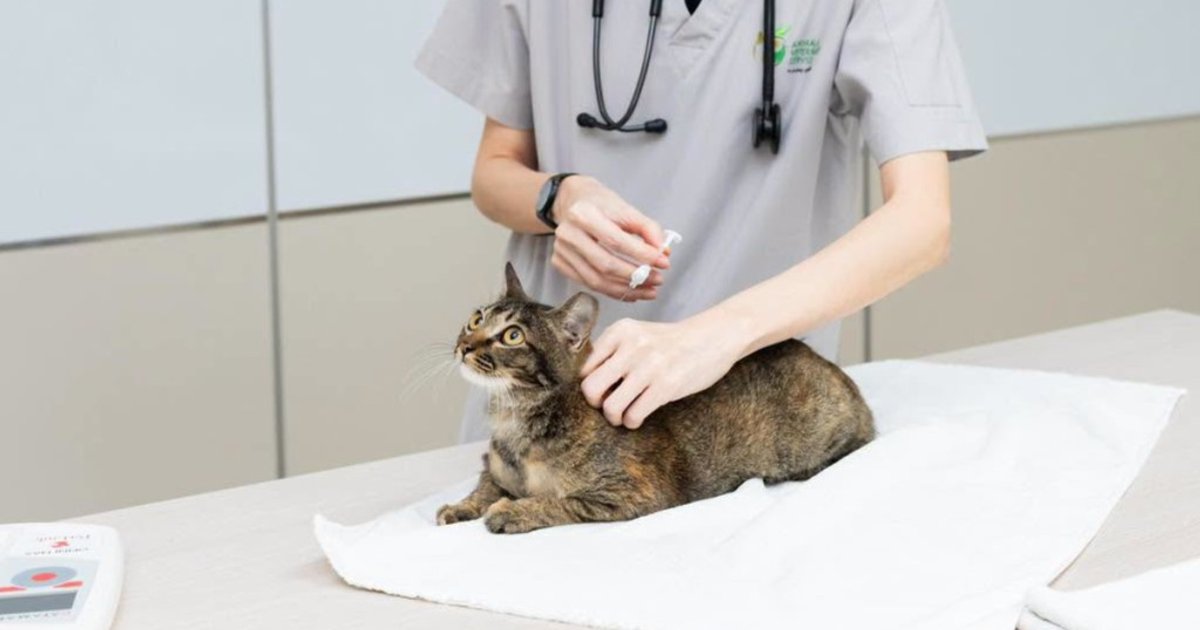
- The government implanted free microchips in over 13,000 cats during the transition period through the Animal & Veterinary Service (AVS), a division of the National Parks Board .
- More than 2,900 low-income families received assistance under the support programme, which covered spay/neuter procedures and microchipping for over 6,300 domestic cats .
- Existing cat owners who registered all their pets during the transition period are permitted to keep cats exceeding the new limits, even though new applicants face strict quantity restrictions .
- The free licensing promotion has ended; owners applying for licenses from September 1 must pay a fee of S$35 (HK$215) for neutered cats .
Why It Matters
Singapore's mandatory cat licensing system represents a significant shift in pet ownership regulation across Asia, signalling that governments are increasingly willing to impose strict accountability on pet owners. The microchip requirement enables authorities to track ownership, facilitate lost pet reunions, and hold owners responsible for their animals' welfare. This policy may serve as a model for other densely populated urban centres grappling with pet management challenges.
Singapore's mandatory cat licensing system represents a significant shift in pet ownership regulation across Asia, signalling that governments are increasingly willing to impose strict accountability on pet owners. The microchip requirement enables authorities to track ownership, facilitate lost pet reunions, and hold owners responsible for their animals' welfare. This policy may serve as a model for other densely populated urban centres grappling with pet management challenges.