Hong Kong Netizens Debate Six Overrated Paid Attractions in Japan
SingTao · 1 SOURCESabout 2 hours ago3 MIN
Summary
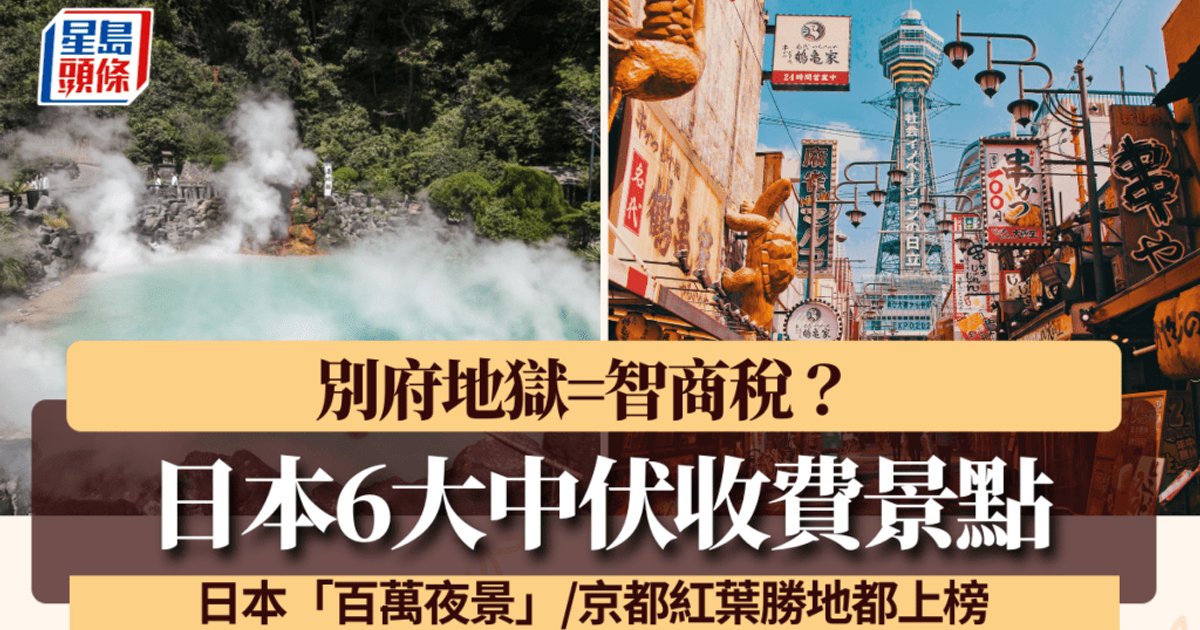
Hong Kong netizens on the LIHKG discussion forum have ignited a heated debate about Japanese tourist attractions they consider overpriced and underwhelming, warning fellow travelers about disappointing experiences. The discussion, titled "Japanese Disappointing Paid Attractions," has attracted numerous responses with netizens sharing their own negative experiences. Six popular paid landmarks have come under fire, including Beppu Jigoku hot springs in Kyushu and Mount Hakodate—one of Japan's three great night views and also recognized as one of the world's three great night views. Other controversial venues include Tsutenkaku Tower in Osaka, Rurikou-in Temple in Kyoto, the recently renovated Chubu Electric Power MIRAI TOWER, and Tokyo Tower. Netizens have also mentioned free-admission sites such as Oshino Nutsu in Yamanashi Prefecture as disappointments, while offering rational advice that many attractions are highly seasonal and require careful trip planning.
Key Points
- Beppu hot springs in Oita Prefecture, Kyushu—the area with Japan's highest number of hot spring sources and spring water output—has been branded an "IQ tax" by netizens, who criticized the small venues requiring bundled tickets and described them as merely "watching smoke" from steaming springs .
- Tsutenkaku Tower in Osaka's Shinsekai district has been deemed unworthy of its observation deck admission fee, with netizens arguing that the view from below—especially at night—is more picturesque than the paid vantage point .
- Rurikou-in Temple in Kyoto, which charges approximately 2,000 yen for entry and limits visits to spring, summer, and autumn seasons, has been lambasted as overpriced, with one netizen sardonically calling it "2,000 yen to look at a reflective table" .
- Mount Hakodate in Hokkaido, celebrated as one of Japan's and the world's three great night views, faced scathing reviews from netizens who paid around 2,000 yen for the cable car ride only to find "ordinary" scenery that pales in comparison to Hong Kong's Victoria Harbour .
- Chubu Electric Power MIRAI TOWER, a national tangible cultural property built in 1954 that recently reopened after its first major renovation, was criticized for its approximately 1,300 yen admission fee and an observation deck obstructed by iron mesh blocking the view .
- Tokyo Tower has been dismissed as offering little difference from free observation decks, with netizens complaining about queues exceeding one hour and lamenting that surrounding skyscrapers now obstruct the once-spectacular panoramic scenery .
- Experienced netizens advised that many Japanese attractions are extremely dependent on specific seasons—such as Komoro Castle in Nagano requiring a cherry blossom visit or Kanronsen Lake in Kyushu demanding autumn foliage—and stressed the importance of seasonal planning to avoid disappointment .
Why It Matters
This online discussion resonates deeply with Hong Kong travelers, who view Japan as a beloved second-home destination and frequently share travel tips within their community. The viral debate reflects growing consumer awareness among Asian tourists about the gap between hyped attractions and actual visitor experiences, potentially influencing future travel planning and prompting Japanese tourism operators to reconsider pricing strategies for international visitors .
This online discussion resonates deeply with Hong Kong travelers, who view Japan as a beloved second-home destination and frequently share travel tips within their community. The viral debate reflects growing consumer awareness among Asian tourists about the gap between hyped attractions and actual visitor experiences, potentially influencing future travel planning and prompting Japanese tourism operators to reconsider pricing strategies for international visitors .