Nepal Floods: Families Hold Funerals for Missing as Toll Reaches 1,100 Dead, 4,500 Missing
Thestandard · 2 SOURCESabout 2 hours ago3 MIN
Summary
Nepal observed a day of mourning on Wednesday as families held symbolic funerals for relatives still missing a week after catastrophic flash floods swept through villages along the China-Nepal border. The disaster, triggered by a high-altitude glacial collapse on August 26, has left more than 1,100 people dead and nearly 4,500 missing . Rescue teams are continuing efforts to dig through debris entombing multiple hydropower plant tunnels, while families like that of 21-year-old civil servant Ayush Khadka described their harrowing four-day search before accepting the worst .
Key Points
- The catastrophic flooding was caused by a glacial collapse that sent an unprecedented deluge of ice, rock, mud and debris crashing through valley towns in Nepal and across the border into China
- Ayush Khadka, a 21-year-old civil servant stationed in Timure, had spoken to relatives the night before the disaster struck on August 26, and his social media appeared to show him online the following morning, giving his family hope
- His paternal uncle Ganesh Khadka waited for two days near the Nepali Army's Maithali Barrack in Nuwakot, repeatedly sharing Ayush's name, workplace and last known location with officials, but received few answers
- The family attempted to reach Timure from their home in Salyan district, but all roads had been destroyed and private helicopters had been requisitioned by the government for rescue operations
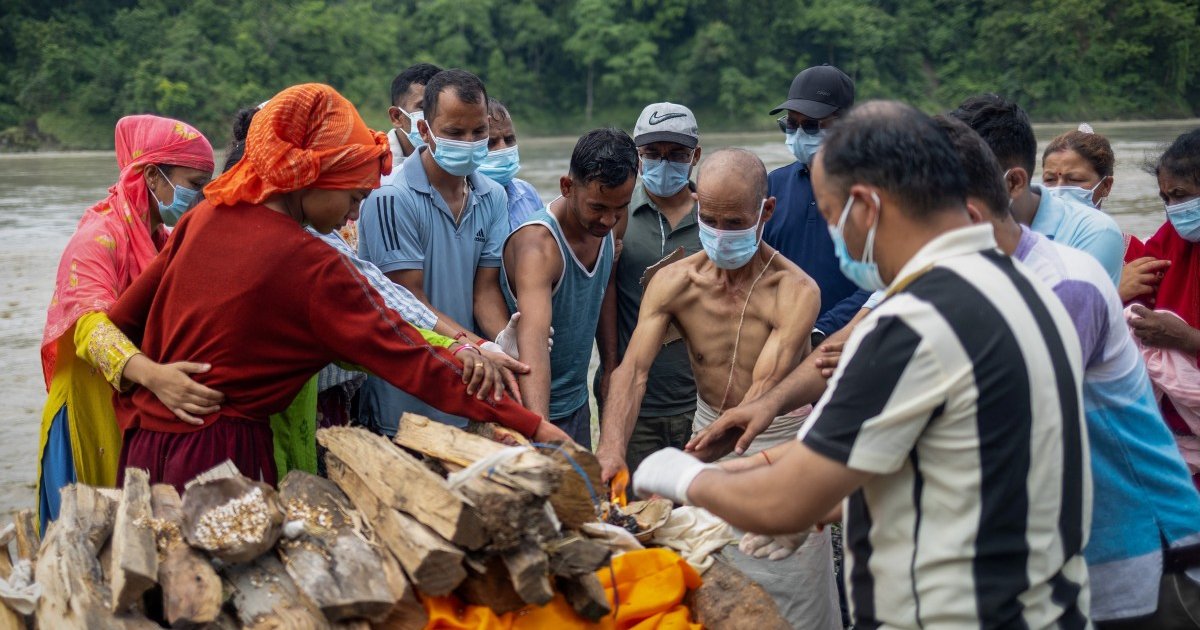
- Nepali families conducted last rites burning straw effigies in Hindu rituals, with one woman stating: "We had to do this to set his soul free, so that he is at peace and happy wherever he is"
- Nepal's Foreign Minister Shisir Khanal expressed cautious optimism, telling AFP: "Miracles do happen. At this point, I do not want to comp"
Why It Matters
This disaster represents one of the deadliest natural catastrophes to strike the Himalayan region in recent history, with the scale of destruction overwhelming Nepal's rescue infrastructure. The tragedy underscores the growing risks posed by climate change-driven glacial instability across the Hindu Kush Himalaya region, where millions live in the shadow of potentially lethal high-altitude lakes and ice fields. For Hong Kong travellers who frequent Nepal for trekking and mountaineering, this event serves as a stark reminder of the unpredictable dangers in mountain environments and the importance of comprehensive travel insurance covering emergency evacuation.
This disaster represents one of the deadliest natural catastrophes to strike the Himalayan region in recent history, with the scale of destruction overwhelming Nepal's rescue infrastructure. The tragedy underscores the growing risks posed by climate change-driven glacial instability across the Hindu Kush Himalaya region, where millions live in the shadow of potentially lethal high-altitude lakes and ice fields. For Hong Kong travellers who frequent Nepal for trekking and mountaineering, this event serves as a stark reminder of the unpredictable dangers in mountain environments and the importance of comprehensive travel insurance covering emergency evacuation.