Shenzhen's Post-2000 Entrepreneurs Drive Record Foreign Trade via TikTok Shop
Bastillepost · 1 SOURCESabout 2 hours ago5 MIN
Summary
Shenzhen's young entrepreneurs are revolutionizing cross-border e-commerce through TikTok Shop and partnerships with overseas key opinion leaders (KOLs). A Ningbo-based company's post-2000 team has generated $100 million in US sales by selling desktop ice makers, while AI glasses and 3D printer brands are also expanding globally. Shenzhen's foreign trade reached a historic milestone in H1 2026, underscoring the city's evolution from a low-cost manufacturing hub to an innovation-driven export powerhouse.
Key Points
- Li Jiang, a computer science graduate, persuaded Roan (羅娃), a Ningbo-based company, to launch a TikTok Shop store after identifying market saturation in traditional ice maker sales
- Roan's team grew from 2 to 20 members—all born in the 2000s—with the shop reaching $100 million in cumulative US sales within three years
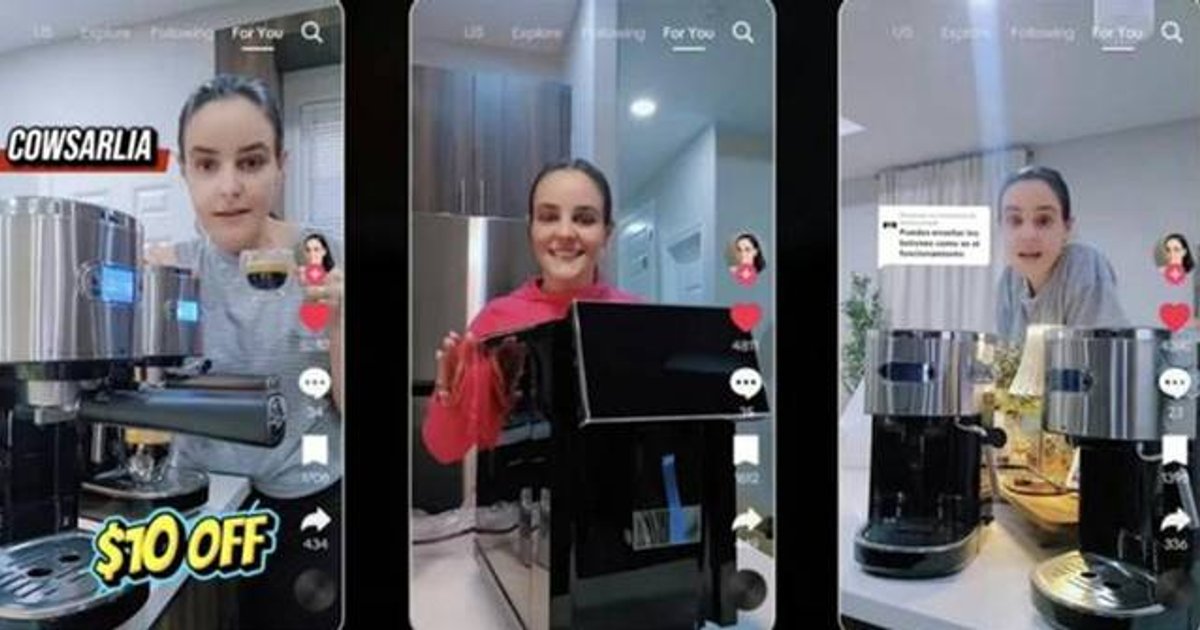
- A Cuban-American housewife named Lia in California became a breakthrough KOL collaborator, driving sales by targeting the US Latino community's demand for ice at family gatherings
- LUSBY, an AI smart glasses brand founded by 2001-born Rong Jianhua (容建華), achieved $4.75 million in sales within just over a year
- Creality (創想三維), a 3D printer manufacturer, sold over $40,000 worth of products in a single 4-hour TikTok livestream through KOL partnerships
- Shenzhen's H1 2026 import/export total reached 28.8 trillion yuan, a record high for the same period
Why It Matters
Shenzhen's success demonstrates how short-video platforms and influencer marketing are democratizing global market access for Chinese manufacturers, allowing smaller teams to achieve what previously required massive traditional distribution networks. For Hong Kong, which shares deep trade ties with the Pearl River Delta, this shift signals both competitive pressure and opportunities for complementary roles in high-value services and logistics as mainland exporters seek professional support to navigate international markets .
Shenzhen's success demonstrates how short-video platforms and influencer marketing are democratizing global market access for Chinese manufacturers, allowing smaller teams to achieve what previously required massive traditional distribution networks. For Hong Kong, which shares deep trade ties with the Pearl River Delta, this shift signals both competitive pressure and opportunities for complementary roles in high-value services and logistics as mainland exporters seek professional support to navigate international markets .