Secondary Home Sales Over HK$10M Surpass Full-Year 2025 Total as Lohas Park Leads Deals
SingTao · 1 SOURCESabout 1 hour ago2 MIN
Summary
Secondary residential transactions valued above HK$10 million have already surpassed the full-year total for 2025, with 5,775 registrations recorded as of September 10, 2026. This figure represents a 6.1 percent year-on-year increase over last year's 5,443 cases and marks a four-year peak, according to data from the Land Registry compiled by Midland Realty Research Centre . The trend reflects a notable surge in upgrade buying activity within Hong Kong's mid-to-high price private residential market.
Key Points
- Registrations of secondary homes priced above HK$10 million reached 5,775 as of September 10, 2026, up 6.1 percent from the 5,443 cases recorded for the entirety of 2025
- Mid-to-high price transactions accounted for approximately 14.2 percent of overall registrations during the same period, representing a year-on-year increase of 2.4 percentage points and hitting a four-year high
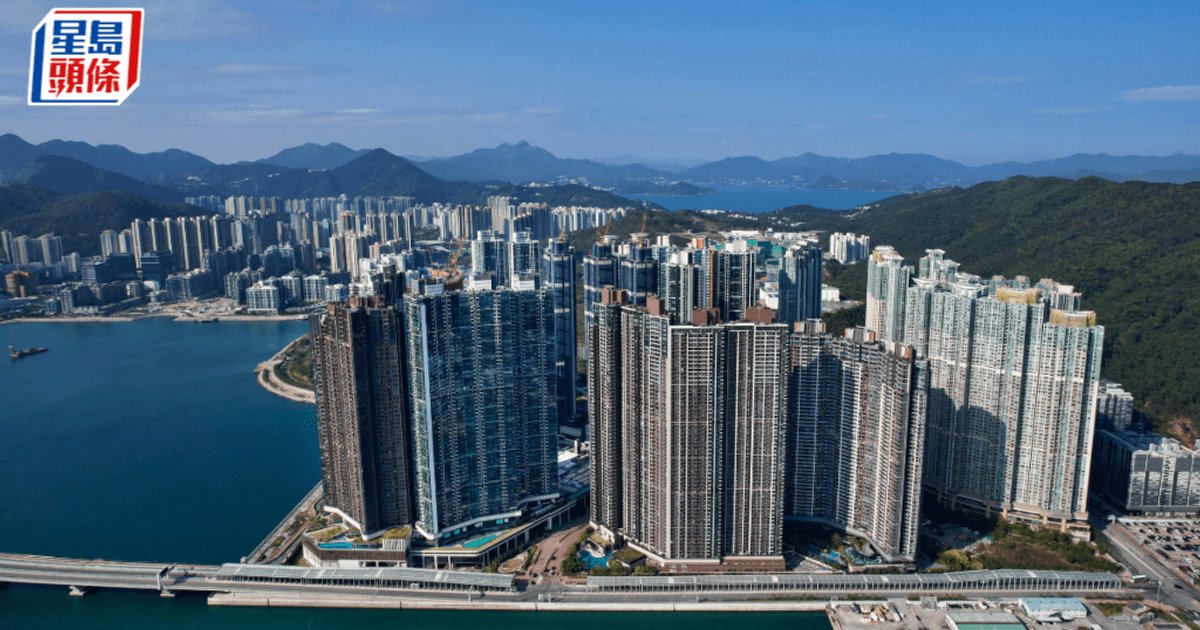
- Lohas Park led all private estates with 146 registrations, followed by Taikoo Shing with 142 and Festival City with 128
- Newer developments including Wetland Seasons Bay, Cullinan West, and South Island Place appeared on the top-10 list, indicating strong appeal among upgrade buyers
- Properties priced at or below HK$6 million still dominated the market with 25,490 registrations, comprising 62.8 percent of total transactions
Why It Matters
The robust performance of the mid-to-high price secondary market signals a shift in buyer sentiment and purchasing power, with upgrade demand providing a new engine for the property sector amid continued headwinds in broader economic conditions . This trend could reshape development strategies for developers and influence policy discussions around mortgage lending criteria for higher-value properties.
The robust performance of the mid-to-high price secondary market signals a shift in buyer sentiment and purchasing power, with upgrade demand providing a new engine for the property sector amid continued headwinds in broader economic conditions . This trend could reshape development strategies for developers and influence policy discussions around mortgage lending criteria for higher-value properties.