Ombudsman Launches Investigation into LCSD Gym Management Amid Course Shortage, No-Show Issues
HK01 · 6 SOURCES1 day ago2 MIN
Summary
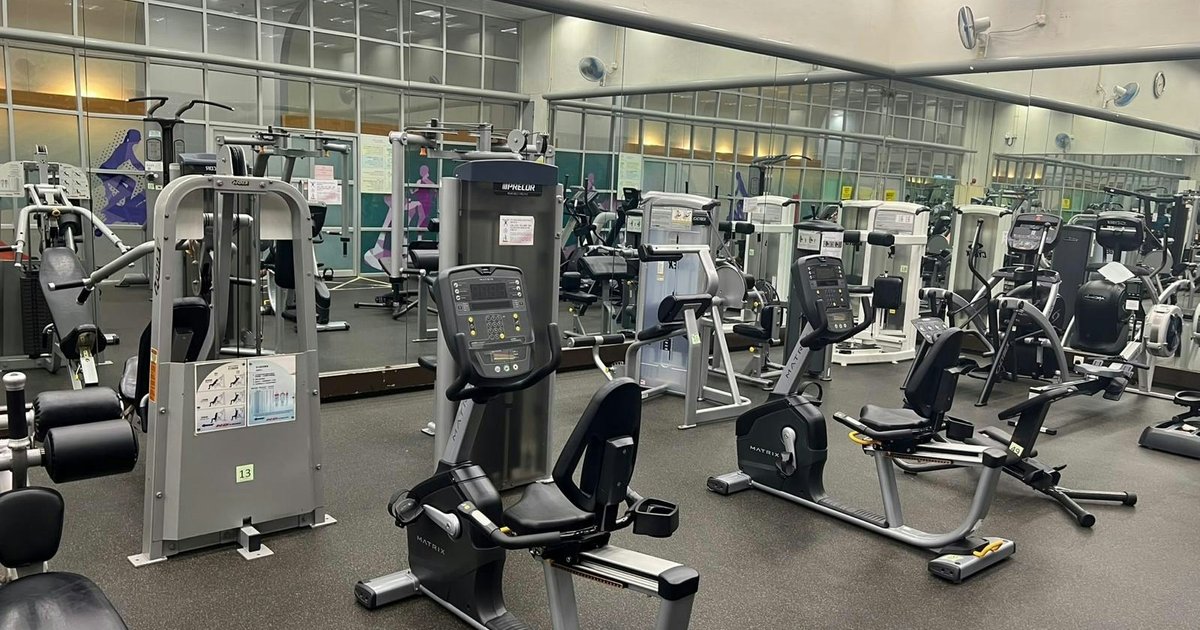
The Office of the Ombudsman announced on Tuesday (October 13) an active investigation into the Leisure and Cultural Services Department's (LCSD) management of its 87 indoor gyms, uncovering severe supply-demand imbalances in mandatory fitness courses and systemic loopholes in the booking system. Ombudsman Chan Chik-chee highlighted that while the number of registered gym users surged 56% to 236,000 between 2023 and 2025, the availability of required introductory courses and training programmes has failed to keep pace, potentially obstructing the popularisation of fitness activities.
Key Points
- LCSD operates 87 indoor gyms across Hong Kong; general public must either hold HK Physical Fitness Association certification or complete a 3-hour briefing with written test, or a 12-hour training programme with 80% attendance
- Last year, LCSD organised approximately 1,000 briefing sessions with 25,000 places, yet received 377,000 applications—14 times the capacity—while 2,500 training classes with 58,500 places attracted 257,000 applicants
- Registered gym users increased from 151,000 in 2023 to 236,000 in 2025 (56% growth), with total usage rising 50% from 4.852 million to 7.262 million visits
- Monthly pass holders can cancel bookings via Leisure Link up to just one hour before their reserved slot, with no penalty for no-shows and no daily booking limits, resulting in empty gym slots despite full reservations
- Chan questioned why swimming and other high-risk sports have no mandatory qualification requirements while gym access demands certifications that may no longer serve practical safety needs
Why It Matters
The investigation strikes at the heart of public resource allocation and the government's broader fitness promotion agenda aligned with national planning directives. With Hong Kong's gyms heavily subsidised by public funds and the city pushing to boost universal fitness participation, the current system inadvertently bars aspiring users from accessing facilities while allowing existing pass holders to monopolise slots without accountability .
The investigation strikes at the heart of public resource allocation and the government's broader fitness promotion agenda aligned with national planning directives. With Hong Kong's gyms heavily subsidised by public funds and the city pushing to boost universal fitness participation, the current system inadvertently bars aspiring users from accessing facilities while allowing existing pass holders to monopolise slots without accountability .