New Huanggang Port Signage Concerns, Lawmaker Warns of Capacity Imbalance
On.cc · 1 SOURCESabout 2 hours ago2 MIN
Summary
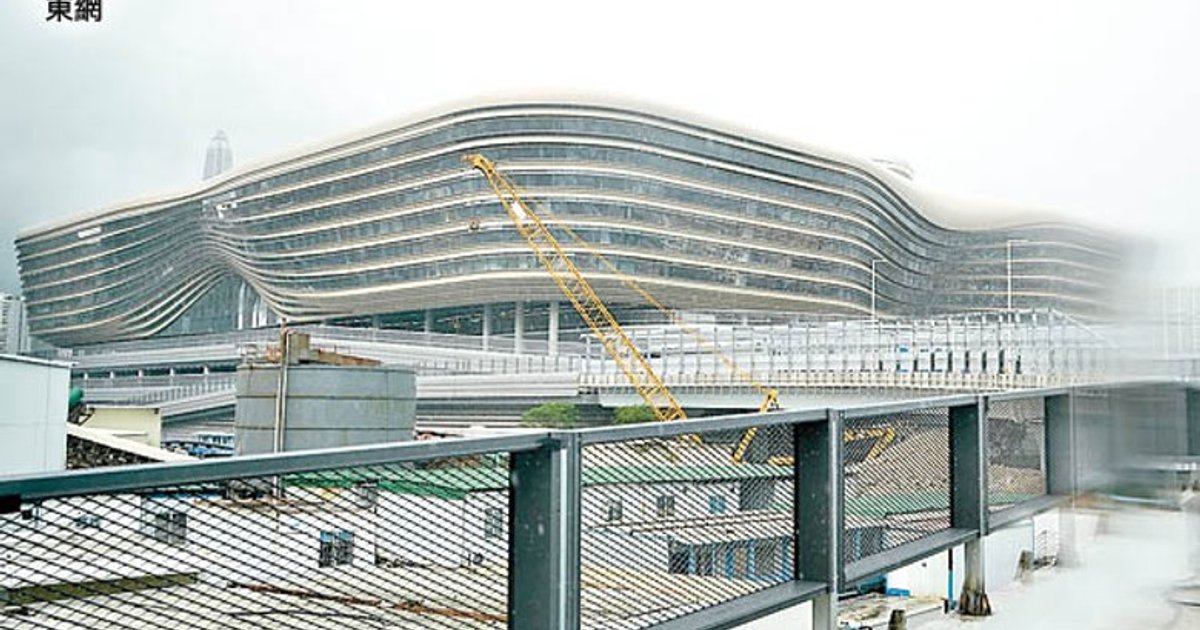
The new Huanggang Port is nearing its opening, prompting authorities to conduct intensive drills including a five-lane crossing test scheduled for Saturday. A June 22 rehearsal exposed navigation problems, with drivers confusing exits at the roundabout leading to the port. A lawmaker has flagged concerns that Hong Kong's transportation infrastructure may struggle to handle anticipated passenger volumes compared to mainland China's extensive rail connections.
Key Points
- Authorities will hold a five-lane crossing test on Saturday (June 29), involving private cars with dual-plate permits
- During the June 22 drill, drivers found signage at the roundabout before the port unclear, causing some to mistakenly exit toward Yuen Long
- Lee Yiu-pui, honorary president of the Hong Kong Automobile Association, recommended installing more overhead gantry signs to guide drivers toward the new Huanggang Port building
- Lawmaker Yiu Ming expressed concern that Hong Kong's maximum capacity relies on buses, while the mainland has access to inter-city rail and Metro Line 7
- The upcoming Saturday drill will increase pressure testing to 20,000 participants, with Shenzhen sending 2,500 people to test entry procedures
Why It Matters
The imminent opening of the new Huanggang Port represents a major step in bolstering cross-border connectivity, yet the signage issues and capacity concerns could create bottlenecks and frustrate travelers once operations begin. With Shenzhen already integrated into the national high-speed rail network, Hong Kong must address its infrastructure gaps to remain competitive and meet growing demand from mainland tourists .
The imminent opening of the new Huanggang Port represents a major step in bolstering cross-border connectivity, yet the signage issues and capacity concerns could create bottlenecks and frustrate travelers once operations begin. With Shenzhen already integrated into the national high-speed rail network, Hong Kong must address its infrastructure gaps to remain competitive and meet growing demand from mainland tourists .