Saitama Almond Fish Seized Over Suspected Breach of Japan Food Import Ban
On.cc · 3 SOURCES1 day ago5 MIN
Summary
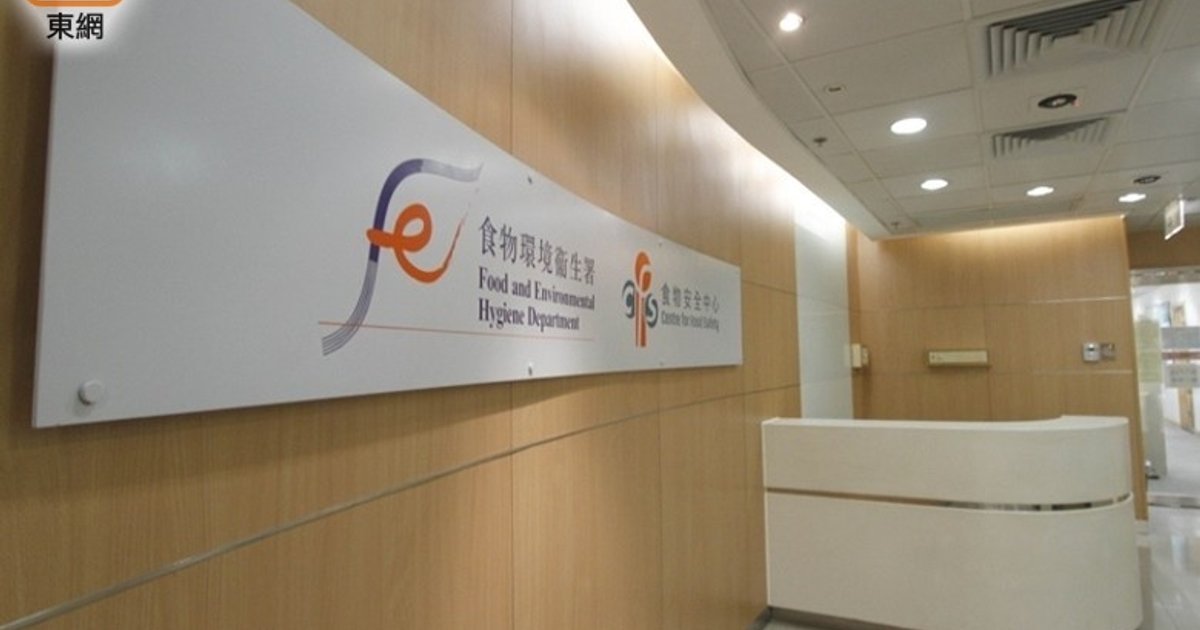
The Centre for Food Safety under the Food and Environmental Hygiene Department detected a potential violation during routine inspections of Japanese imported food products. A batch of almond fish snacks manufactured in Saitama Prefecture was found to have originated from a regulated prefecture, raising concerns about compliance with Hong Kong's import restrictions on Japanese aquatic goods. The seized products remained under official custody with no indication of market distribution. Authorities have initiated follow-up procedures and indicated readiness to pursue legal action if evidence supports prosecution.
Key Points
- A batch of almond fish snacks (杏仁魚乾) processed in Saitama Prefecture was discovered during food safety inspections of Japanese imported products
- The Food Safety Centre confirmed the products were immediately sealed and none reached consumers or retail outlets
- The case involves suspected violation of the Food Safety Order, which restricts imports of aquatic products from ten specified Japanese prefectures
- The ten regulated prefectures include Tokyo, Fukushima, Ibaraki, Miyagi, Chiba, Gunma, Tochigi, Niigata, Nagano, and Saitama
- The order prohibits aquatic products, sea salt, and seaweed harvested, manufactured, processed, or packaged on or after August 24, 2023 from these areas
- Food Safety Centre will notify Japanese authorities and pursue prosecution if sufficient evidence is gathered
Why It Matters
This incident underscores Hong Kong's continued vigilance in enforcing import controls on Japanese food products following the controversial release of treated wastewater from the Fukushima nuclear plant. The case demonstrates that authorities are actively monitoring compliance and willing to take enforcement action against violators, maintaining public confidence in food safety standards despite ongoing imports from Japan .
This incident underscores Hong Kong's continued vigilance in enforcing import controls on Japanese food products following the controversial release of treated wastewater from the Fukushima nuclear plant. The case demonstrates that authorities are actively monitoring compliance and willing to take enforcement action against violators, maintaining public confidence in food safety standards despite ongoing imports from Japan .