US Supreme Court Revives Trump Mail Voting Order
AM730 · 2 SOURCESabout 1 hour ago2 MIN
Summary
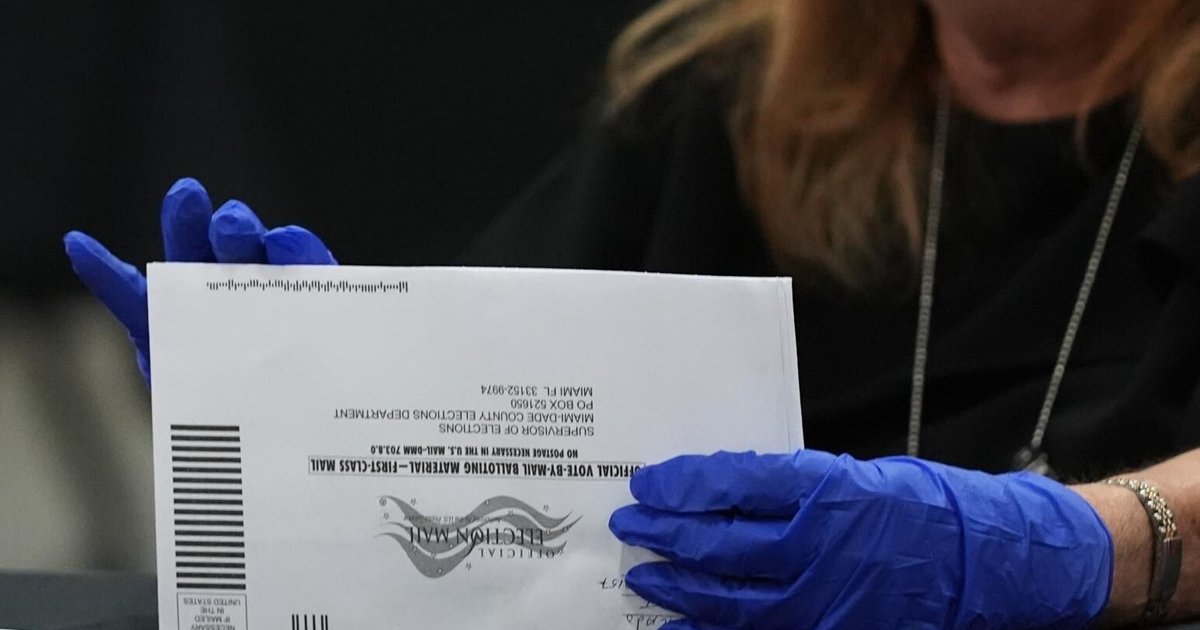
The US Supreme Court voted 6-3 on 24 June to let parts of President Donald Trump’s executive order restricting mail voting take effect for now, lifting part of a lower-court injunction. The order, signed in March, directs the Department of Homeland Security to help create state lists of eligible voters and requires the US Postal Service to send mail ballots only to voters on those lists, alongside new tracking and verification measures. Democratic-led states and Washington, DC challenged the move, arguing that the Constitution gives election administration powers to the states and Congress, not the president. The justices stressed that the ruling was procedural rather than a final judgment on legality, and separate litigation still blocks broader postal enforcement nationwide.
Key Points
- The Supreme Court said federal agencies had not yet taken concrete action causing material harm to states, so the injunction should be paused for now.
- A Boston federal district court ruled in June that the president could not unilaterally change how states manage federal elections, prompting Washington’s appeal.
- The lawsuit was brought by 23 Democratic-governed states, including California and New York, together with Washington, DC.
- Justice Ketanji Brown Jackson, in dissent, warned the move could disrupt election administration and raise the risk that eligible voters cannot cast ballots.
- The Postal Service has announced related rules on voter lists, ballot envelope redesign and tracking, but another federal injunction still prevents full nationwide implementation.
Why It Matters
For Hong Kong readers following US politics and markets, the ruling adds uncertainty to the run-up to the November midterm elections and keeps election administration at the centre of partisan conflict. The case also underscores how unresolved court battles can affect federal agencies and voting procedures even without a final constitutional ruling.