SK Hynix Studies Japan Joint Venture for AI-Driven Memory Chip Production
SingTao · 2 SOURCESabout 3 hours ago2 MIN
Summary
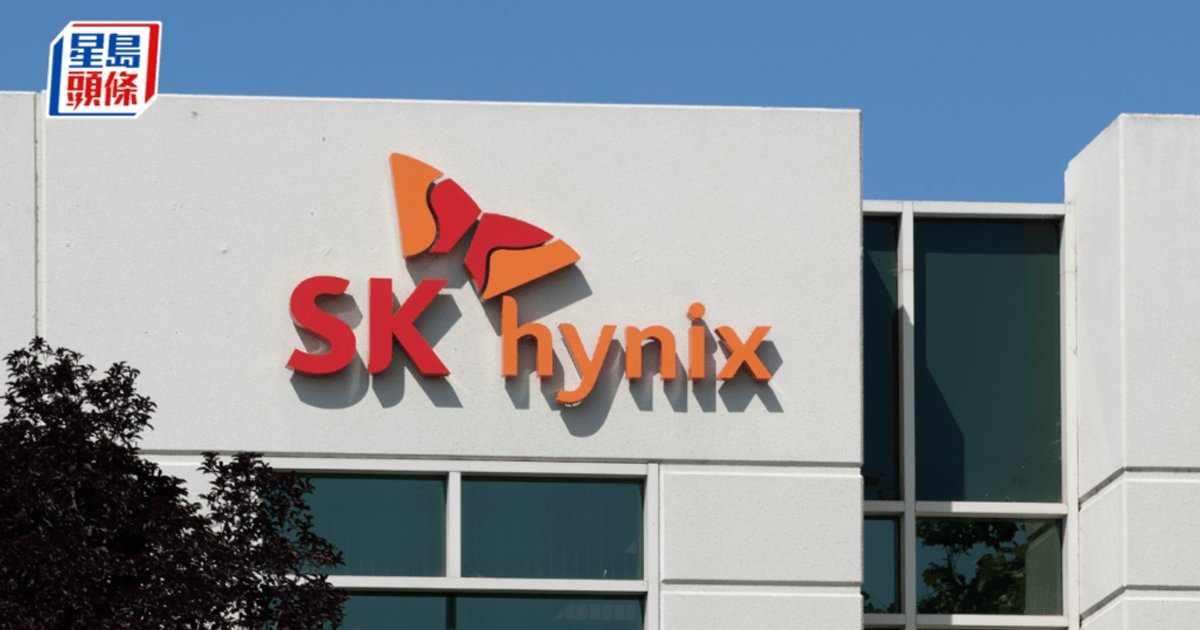
SK Hynix is exploring the possibility of forming a joint venture with Japanese companies to manufacture memory chips in Japan, according to statements by SK Group Chairman Choi Tae-goon in a Bloomberg interview. The South Korean memory chip maker is assessing multiple sites across Japan, prioritizing locations with abundant power and water resources. This potential investment aligns with SK Hynix's global expansion strategy to meet rapidly growing demand for high-bandwidth memory (HBM) chips driven by artificial intelligence applications, while also navigating geopolitical complexities including U.S. policies aimed at restricting Chinese technology development. The company has declined to identify potential partners or specific locations, though industry sources indicate small-scale acquisitions of Japanese firms remain an option.
Key Points
- SK Hynix chairman Choi Tae-goon revealed the company is evaluating multiple Japanese locations for a potential joint chip manufacturing facility
- Power and water supply are the primary criteria for site selection, with any location meeting these conditions under consideration
- The plan includes multiple cooperation structures such as joint investment, joint ventures, or small-scale acquisitions
- SK Hynix plans to invest 54 trillion won (approximately $39 billion) to expand its domestic chip manufacturing facilities in South Korea
- The company is simultaneously building an advanced memory packaging plant in Indiana, United States
Why It Matters
This development signals the intensifying global competition for semiconductor manufacturing capabilities, particularly in memory chips essential for AI applications. As the United States continues to restrict China's access to advanced chip technology, Japanese locations offer strategic advantages including stable infrastructure and alignment with allied technology policies. For Hong Kong investors, the shift underscores how geopolitical considerations are reshaping global supply chains, creating both risks and opportunities in the technology sector.
This development signals the intensifying global competition for semiconductor manufacturing capabilities, particularly in memory chips essential for AI applications. As the United States continues to restrict China's access to advanced chip technology, Japanese locations offer strategic advantages including stable infrastructure and alignment with allied technology policies. For Hong Kong investors, the shift underscores how geopolitical considerations are reshaping global supply chains, creating both risks and opportunities in the technology sector.