China, Japan Clash Over UN Charter 'Enemy Nation Clause' at General Assembly
AM730 · 2 SOURCESabout 2 hours ago2 MIN
Summary
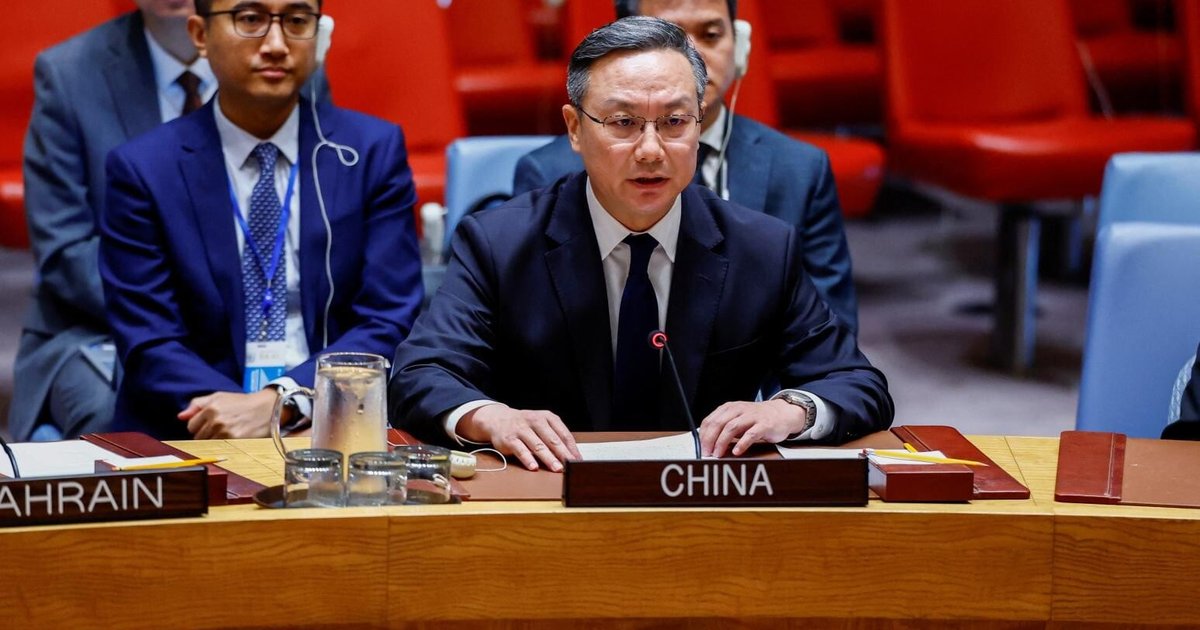
China and Japan traded sharp criticisms at the United Nations General Assembly general debate on September 28-29, 2026, over Tokyo's push to delete the "enemy nation clause" from the UN Charter. Chinese Deputy Permanent Representative Sun Lei accused Japanese Prime Minister Takashi Sue's administration of attempting to revive militarism, warning that Japan's military expansion and efforts to revise its peace constitution pose a threat to regional and global peace. Japan countered by reaffirming its commitment to its exclusive defense policy, the three non-nuclear principles, and its post-war peaceful path.
Key Points
- Japanese Prime Minister Takashi Sue called in her UN General Assembly speech for the deletion of the "enemy nation clause" from the UN Charter, triggering strong opposition from China .
- Chinese Deputy Permanent Representative Sun Lei stated on September 28 that Japan joined the UN in 1945 on the premise of acknowledging its militarist crimes and accepting all UN Charter provisions .
- Sun Lei warned that Japan is fabricating "threats from neighboring countries" narratives to cover its military buildup and accused it of pushing to revise its peace constitution and potentially breaching its three non-nuclear principles .
- The "enemy nation clause" consists of Articles 53, 77, and 107 of the UN Charter, authorizing UN founding members to take military action against former Axis powers if they resume aggression .
- The UN General Assembly passed a resolution in 1995 declaring the clause outdated, but revision requires two-thirds of the General Assembly plus Security Council approval, and it has yet to be removed .
- Japanese Deputy Representative Umezu Shigeru responded that Japan adheres to its exclusive defense policy under its constitution and maintains the three non-nuclear principles, pledging to continue on its peaceful path .
Why It Matters
The confrontation at the UN highlights deepening tensions between China and Japan over historical grievances and security policies, with Beijing framing Tokyo's defense modernization as a return to militarism while Japan seeks to shed its post-war constraints. The dispute exposes divisions over how to interpret historical accountability in the context of contemporary regional security dynamics, particularly as Japan moves toward revising its pacifist constitution .
The confrontation at the UN highlights deepening tensions between China and Japan over historical grievances and security policies, with Beijing framing Tokyo's defense modernization as a return to militarism while Japan seeks to shed its post-war constraints. The dispute exposes divisions over how to interpret historical accountability in the context of contemporary regional security dynamics, particularly as Japan moves toward revising its pacifist constitution .