WHO Issues Fan Cooling Guide for Heatwaves: One Method Cuts Feeling by 4°C and Saves 70% Power
AM730 · 1 SOURCESabout 1 hour ago2 MIN
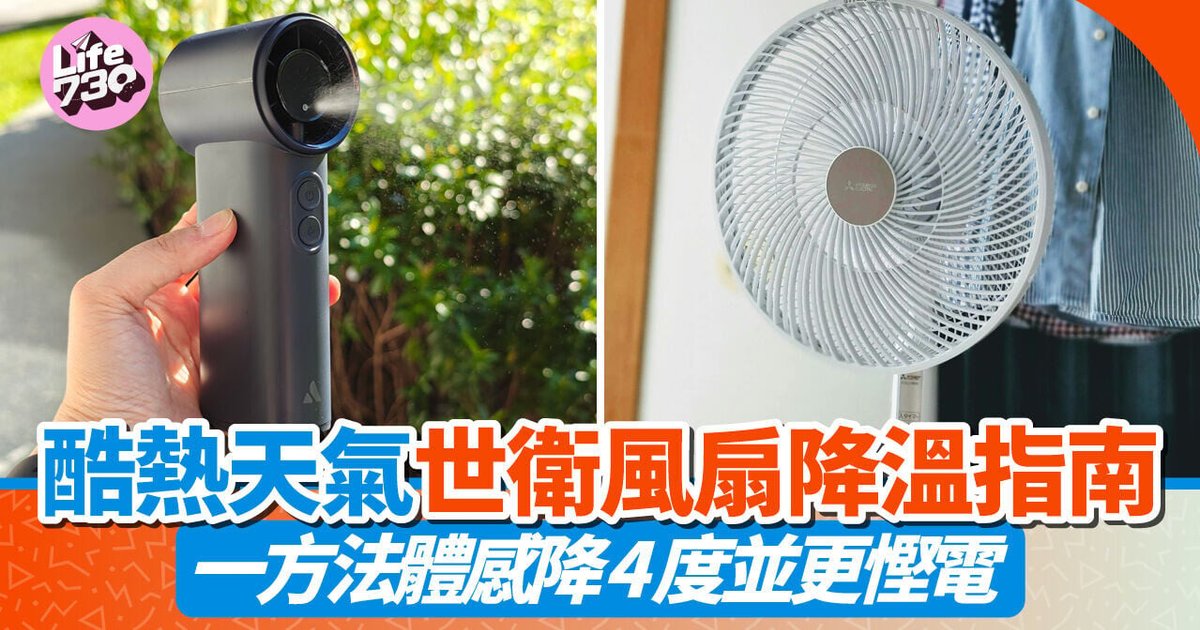
Summary
The World Health Organization (WHO) has published updated guidelines on heatwave safety, providing practical recommendations for using electric fans and air conditioners to cool homes efficiently during extreme heat. The guidelines reveal that setting an air conditioner to 27 degrees Celsius while running a fan simultaneously can achieve the same cooling effect as setting the AC to 23 degrees Celsius, while reducing electricity consumption by up to 70 percent . The WHO report warns that electric fans become ineffective and potentially dangerous when indoor temperatures exceed 40 degrees Celsius, as they may accelerate heat absorption by pushing hot air toward the body .
Key Points
- The WHO report identifies extreme heat as a major global health hazard, noting climate change has increased both the frequency and intensity of heatwaves
- High temperatures pose risks beyond heatstroke, including worsening cardiovascular, respiratory, and diabetes conditions
- Setting air conditioner thermostat to 27 degrees Celsius while using a fan reduces perceived temperature by approximately 4 degrees Celsius
- This combination achieves cooling equivalent to 23 degrees Celsius air conditioning while saving up to 70 percent on electricity costs
- For outdoor handheld fan use, applying wet wipes or water spray to skin leverages evaporative cooling for significantly better results
- Parents should cover baby strollers with thin wet cloths rather than dry cloths, combined with fan airflow for safe cooling
- At home, pointing a fan toward an open window creates negative pressure convection, expelling hot indoor air efficiently
Why It Matters
Hong Kong residents face increasingly frequent extreme heat days, making energy-efficient cooling strategies both economically and medically important. The WHO guidance offers evidence-based methods to reduce electricity bills while maintaining comfort and safety during summer heatwaves. With healthcare systems already strained by heat-related illnesses, these practical home cooling techniques could help reduce hospital admissions during peak summer months .
Hong Kong residents face increasingly frequent extreme heat days, making energy-efficient cooling strategies both economically and medically important. The WHO guidance offers evidence-based methods to reduce electricity bills while maintaining comfort and safety during summer heatwaves. With healthcare systems already strained by heat-related illnesses, these practical home cooling techniques could help reduce hospital admissions during peak summer months .